Choosing the right cabinet hinge hardware is crucial for any furniture project. Many buyers encounter a vast selection, making the process overwhelming. Quality hinges contribute to both functionality and aesthetics. A poor choice can lead to future frustration.
Understanding the types of cabinet hinge hardware is essential. Soft-close hinges offer a gentle closure, preventing slams. Concealed hinges maintain a sleek look. However, these options may not be suitable for all designs. Buyers must assess their specific needs and preferences before making a decision.
The importance of reliability in hinges cannot be overstated. They endure daily use, impacting the lifespan of cabinets. Investing in good quality hardware may result in higher initial costs, yet it pays off in durability. Many options claim to be the best, yet it is vital to research and read reviews. A thorough examination of experiences from other buyers can reveal insights that can inform your choice.
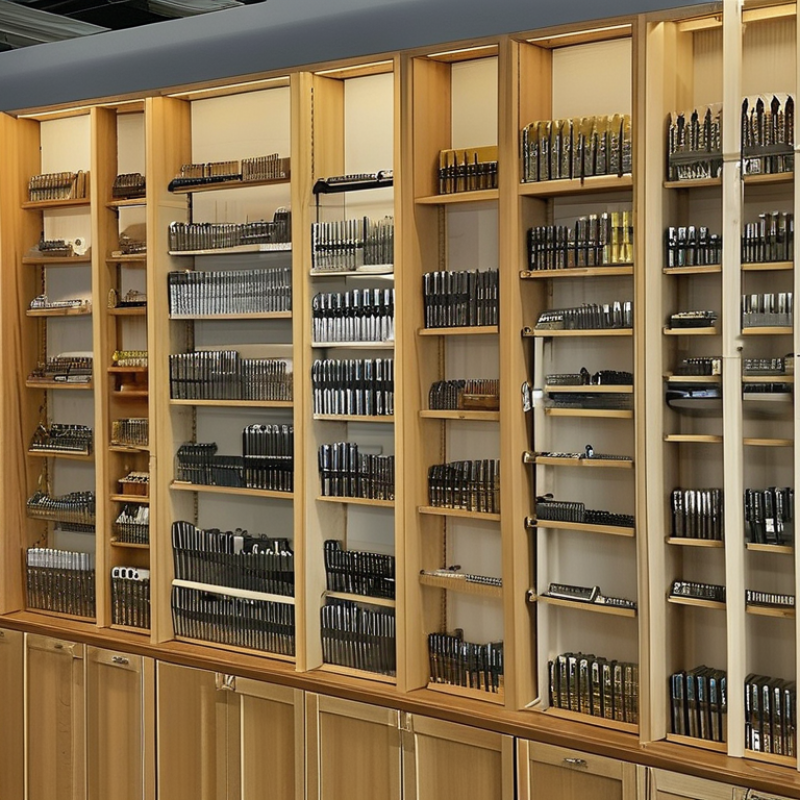
Cabinet hinges come in various types, each serving a unique purpose. Choice of hinge affects functionality and aesthetics in cabinetry. Common hinge types include concealed, pivot, and butterfly hinges. Concealed hinges offer a clean, modern look, blending into the cabinet. Pivot hinges allow doors to swing open from a vertical axis, perfect for unique designs. Butterfly hinges provide a vintage charm, often seen in decorative cabinets.
When selecting hinges, consider the door weight. Heavier doors need sturdier hinges, while lighter ones can work with basic options. Installation ease varies by type, affecting your overall project timeline. Assess the material of both cabinet and hinge. Wood cabinets often pair well with steel or brass hinges for durability. Analyze the space to ensure the hinge allows for smooth operation.
Try to visualize the final look. Imagine how the hinge complements your cabinet design. Sometimes, a preferred hinge might not fit well in a specific project. It’s crucial to evaluate practical aspects versus aesthetic desires. Flexibility in choices can lead to better results. Pay attention to weight limits and door swing directions to avoid frustration down the line.
When selecting cabinet hinge hardware, it's essential to evaluate multiple factors. Material is key. High-quality steel hinges often last longer than plastic alternatives. A report by the National Association of Home Builders indicates that durable materials significantly reduce maintenance costs over time, which can influence long-term purchasing decisions.
Design is another crucial aspect. Various styles, such as concealed or surface-mounted hinges, affect both aesthetics and functionality. A recent survey found that 70% of homeowners prefer hidden hinges for a cleaner look. However, accessibility for repairs should also be considered. Some designs may complicate future adjustments, which could frustrate users.
Finally, weight capacity must be assessed. Heavy doors require robust hinges. Data shows that improperly rated hinges can lead to premature failures. Selecting the right hinge depends on the cabinet's size and function. Buyers should reflect on their choices, ensuring alignment between aesthetics, durability, and functionality.
This chart presents a comparative analysis of different cabinet hinge hardware options based on key factors such as Durability, Price, Aesthetic Appeal, and Ease of Installation.
Cabinet hinges play a vital role in furniture functionality and aesthetics. Globally, the demand for durable and stylish cabinet hinge hardware is on the rise. Recent data from the International Furniture Reports indicates that the cabinet hardware market is expected to grow by 4% annually through 2025. This increased demand necessitates a closer look at popular hinge brands.
When examining leading cabinet hinge options, various factors should be considered. One significant aspect is material quality. Stainless steel hinges, for instance, offer strength and resistance to corrosion, making them suitable for high-humidity environments. However, not all stainless steel is created equal; some may have inferior properties that lead to premature wear. A comparative analysis shows that many middle-tier brands still outperform premium options in terms of longevity.
Additionally, the design of hinges can impact their usability. Soft-close hinges are gaining traction, providing a smoother experience. However, installation complexity remains a challenge for many users. Reports suggest that nearly 30% of DIY enthusiasts encounter difficulties when installing advanced hinge systems. This highlights a gap in user education and product support, which is essential for enhancing the overall consumer experience in cabinet hardware.
| Hinge Type | Material | Weight Capacity | Adjustability | Price Range |
|---|---|---|---|---|
| Concealed Hinge | Steel | 50 lbs | Yes | $2 - $10 |
| Piano Hinge | Aluminum | 100 lbs | No | $10 - $30 |
| Overlay Hinge | Brass | 40 lbs | Yes | $3 - $15 |
| European Hinge | Stainless Steel | 75 lbs | Yes | $5 - $20 |
| Pivot Hinge | Plastic | 30 lbs | No | $2 - $8 |
When installing cabinet hinges, precision is key. Ensure all measurements are accurate. Misalignment can lead to functionality issues. Use a level to check the placement. This step prevents doors from sagging or sticking. A small adjustment can create a significant difference in operation.
The type of screws you use can impact hinge performance. Choose screws that match the hinge material. This ensures a tight fit and minimizes wear over time. It’s easy to overlook, but the wrong screws can lead to stripped holes. This complicates future installations and can be frustrating.
Testing the door movement before finalizing the installation is essential. Open and close the doors multiple times. Listen for any unusual sounds that may indicate friction. Sometimes, it may seem fine at first, but issues arise later. Addressing these concerns early can save time and hassle later on. Strive for a seamless operation for the best results.
Cabinet hinge technology is evolving quickly. More manufacturers are focusing on smart designs that enhance usability. Innovations include soft-close hinges, which provide a smooth and quiet closure experience. These hinges help prevent finger pinching and furniture damage. They reflect a growing demand for safety and comfort in home environments.
Sustainability is another key trend. Eco-friendly materials are becoming more prominent in hinge manufacturing. Buyers are increasingly looking for hardware that not only meets their functional needs but also aligns with their environmental values. Water-based finishes and recyclable components are examples of this trend. However, not all products on the market live up to these claims. It’s crucial for consumers to research and ask questions.
As cabinet hinge design advances, the complexity of options can be overwhelming. The variety of finishes, styles, and features may create confusion for buyers. Understanding the specific needs for each application becomes essential. The right hinge should not only match the cabinet but also fit the user’s lifestyle. This nuanced approach leads to better choices and satisfaction in the long run.
: High-quality steel hinges last longer than plastic. They reduce maintenance costs over time.
The style, like concealed or surface-mounted hinges, impacts both look and function. Many prefer hidden hinges for a cleaner appearance.
Heavy doors need sturdy hinges. Incorrectly rated hinges can fail quickly, so understand your cabinet’s size and function.
Yes, innovations like soft-close hinges enhance usability. They provide smooth closure and increase safety in the home.
Eco-friendly materials are becoming popular. Buyers look for hardware that aligns with environmental values, like recyclable components.
The variety of options can be overwhelming. Reflect on your needs and lifestyle to make informed choices.
Not all products can claim eco-friendliness accurately. Research can help ensure you make choices aligning with your values.
Trends focus on usability and sustainability, but complexity in options may lead to confusion during selection.
Yes, some designs may complicate repairs. It’s worth considering ease of access during the selection process.
Balancing aesthetics and functionality is crucial. Choices should reflect both personal style and practical needs for better satisfaction.
This article provides a comprehensive overview of cabinet hinge hardware options suitable for global buyers. It begins by exploring various cabinet hinge types and their specific applications, ensuring readers can identify the right type for their needs. Key factors for selecting cabinet hinge hardware are discussed, including durability, load capacity, and aesthetic considerations, which are essential for achieving both functionality and style in cabinetry.
Additionally, the article presents a comparative analysis of popular cabinet hinge brands, allowing consumers to make informed choices based on performance and features. Practical installation tips are shared to ensure optimal cabinet hinge performance, while the article also highlights future trends in cabinet hinge technology and design, such as advancements in materials and mechanisms that promise to enhance usability and longevity. By understanding these elements, buyers can select the best cabinet hinge hardware to meet their specific requirements.

Xianghui