Heavy-duty, magnetic-assisted, and concealed push-open mechanisms engineered for high-performance architectural millwork.
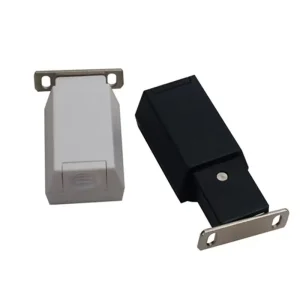
The international furniture hardware landscape is witnessing an aggressive structural shift towards minimalism, handle-free aesthetics, and touch-to-open functional integration. Commonly classified as rebound devices, mechanical push-to-open latches, and self-ejecting plungers, these precision-engineered components form the structural backbone of modern residential cabinets, office credenzas, medical lab furniture, and aerospace interior millwork.
Technological refinement in spring alloys, damping fluid dynamics, and magnetics has allowed hardware suppliers like Guangdong Xianghui (Chenglang) to manufacture rebound mechanisms capable of operating seamlessly over 100,000 continuous open-close cycles. This longevity is critical in commercial fit-outs where maintenance downtime represents substantial overhead costs. In response, global engineering specifications have transitioned from lightweight plastic alternatives to high-tensile POM (Polyoxymethylene) and aluminum alloy structural housings.

As a premier supplier of furniture hardware, backboards, and straighteners, we deliver engineered components that elevate system performance and longevity.
We utilize advanced automated production equipment and innovative process technology. This guarantees high precision in spring loading, magnetic alignment, and dimensional stability, perfectly aligning with complex customer specifications.
Derived from international certifications and the recognition of global clients, our brand stands for reliability. We prioritize client-centric problem-solving, earning trust through robust quality control systems.
Guangdong Xianghui has established high levels of credibility in the industry, sustaining deep cooperative relationships and supply channels with major industry players like DTC, Hettich, Norma, and Quanyou.
Our corporate structure allows fast R&D cycling. We leverage small-scale internal prototyping and lean manufacturing systems to create unique custom modifications at a highly competitive scale.
Not all door bouncers are created equal. Modern applications demand structural variations based on door weight, height, installation environments, and design intent. The structural matrix below maps the primary architectures offered by leading rebound device suppliers.
| Mechanism Type | Key Material Specs | Ideal Application | Max Load Capability | Adjustment System |
|---|---|---|---|---|
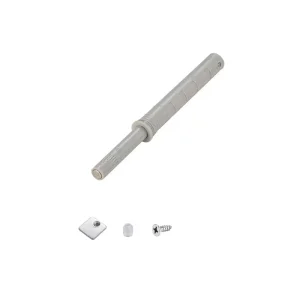
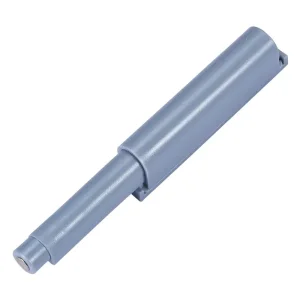
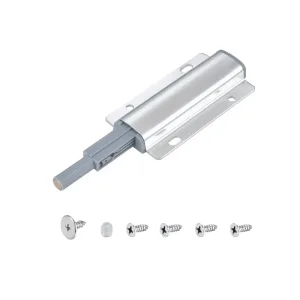
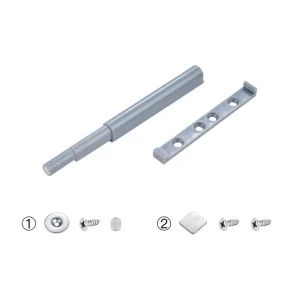
| Embedded / Concealed Rebounder | ABS core / Neodymium Magnet / Hardened steel spring | High-end minimalist custom cabinetry, premium kitchens | 15 kg door weight limit | Threaded nose tip (+3.5mm/-1mm) |
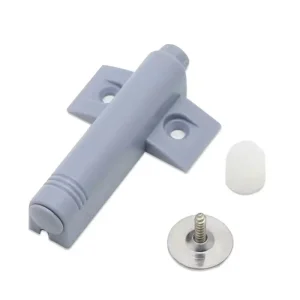
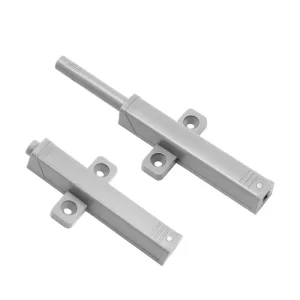
| Aircraft-Style Winged Bouncer | Thick polymer wings / Heavy dual-spring core | Large wardrobe doors, pantry units, heavy tall doors | 35 kg door weight limit | Click-lock base adjusters |
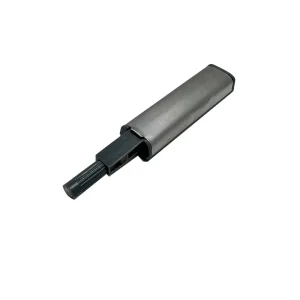
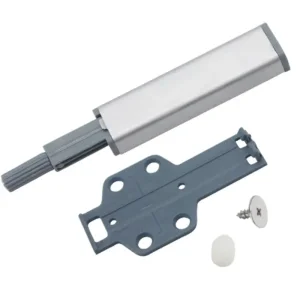
| Metal Shell Surface Rebounder | Anodized Aluminum / Stainless Steel SUS304 spring | Industrial cases, modern metal frames, lab cabinetry | 40N ejection force capacity | Backscrew spacer rings |
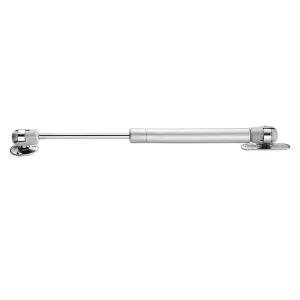
| Glass/Alum-Frame Rebounder | Soft rubber bumper pad / Non-magnetic click switch | Glass showcase doors, hydraulic rod coupled systems | 8 kg door weight limit | Direct slide mounting bracket |
A persistent challenge in push-to-open cabinets is achieving a balance between ejection power and door control. If the spring force is too high (e.g., above 35N), the door opens violently, creating impact noise and potential mechanical fatigue at the hinges. If the force is too low (e.g., below 10N), it will fail to overcome the magnetic grab of typical soft-closing hinges or the dead weight of a tall MDF door panel.
To address this, Guangdong Xianghui's advanced models integrate a micro-damper inside the rebound barrel. When pressed, the spring releases energy in a non-linear velocity curve: rapid initial acceleration to disengage the door from the cabinet frame, followed by a damped deceleration phase to present the door gently to the user. This dual-phase kinetic control is the trademark of premium, hotel-grade millwork hardware.
For architectural millwork to function flawlessly, components cannot be evaluated in isolation. A rebound device is only as effective as the door panel it pushes. In tall custom wardrobes (heights exceeding 2.2 meters), MDF, particleboard, or solid timber panels are highly prone to warping due to ambient temperature swings and humidity changes.
When a tall door panel warps by even 2mm, the gap between the cabinet carcase and the door panel becomes uneven. This uneven profile prevents the push-latch from reaching its dynamic triggering point, causing either intermittent failure to open or a constant clicking noise where the magnetic strike plates fail to align.
As a systemic supplier, Guangdong Xianghui resolves this issue by providing comprehensive package solutions. By combining the Chenglangweifa Type A Door Panel Straightener with heavy-duty rebound devices, installers can straighten deformed wood fibers using built-in tension rods. This ensures that the door remains flat within a 0.5mm tolerance range across the entire vertical span, securing a consistent trigger zone for the rebound plunger.
Different commercial sectors place unique stress profiles on furniture hardware. Below are the verified configurations recommended by our technical division for specific regional and commercial scenarios.
Requirement: High aesthetic cleanliness, oil resistance, and hands-free activation (e.g. when cooking).
Solution: Concealed, sleeve-embedded rebounders with strong magnetic tips. This prevents the door from bouncing back during sudden drafts and maintains a tight line alignment parallel to the cabinet box.
Requirement: Anti-microbial surfaces, ease of cleaning, complete hand hygiene protocols.
Solution: Aluminum-cased surface-mounted push bouncers. The corrosion-resistant aluminum shell survives harsh disinfectants and UV sterilizing lights without chemical degradation.
Requirement: Heavy duty wear, continuous opening cycles, acoustic control.
Solution: Double-switch aircraft-style winged bouncers. These distributing structures divide the structural stress over a wider screw surface, stopping screw pullouts from composite boards.
Technical expertise answers to high-intent questions from hardware buyers, millwork engineers, and distribution partners.
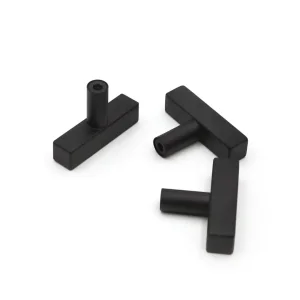
Discover more structural options, modern handles, and dynamic drawer slide mechanisms for global commercial supply.
 Xianghui