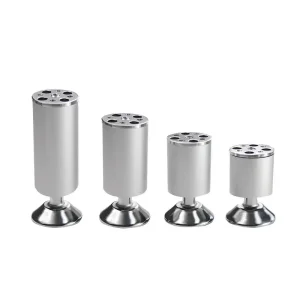
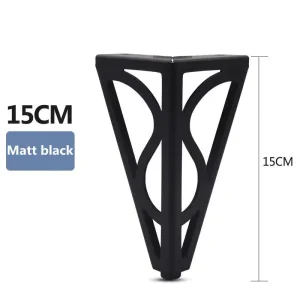
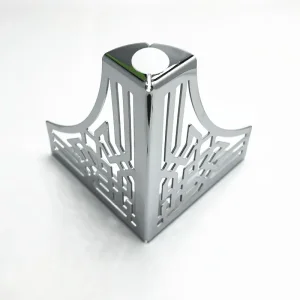
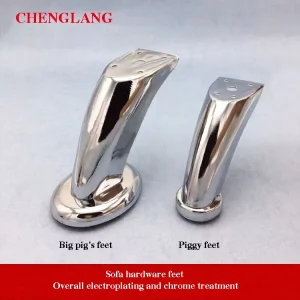
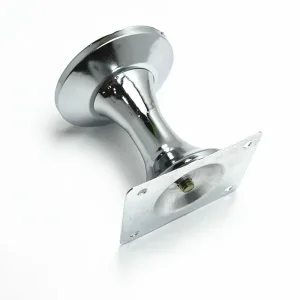
In the modern furniture manufacturing landscape, the role of load-bearing structural support elements like sofa legs has evolved from simple functional requirements to a crucial architectural focal point. Modern spatial concepts favor clean lines, elevated structural forms, and material honesty. Driven by the surge in minimalist design, high-end upholstery manufacturers demand engineered hardware that offers both structural safety margins and aesthetic value.
Procurement professionals worldwide face a dual challenge: sourcing components that meet increasingly stringent regional safety regulations (such as ANSI/BIFMA load thresholds) while controlling costs in a fluctuating metallurgical market. High-performance sofa legs now incorporate advanced alloys, dynamic height adjustments, and multi-layered anti-corrosive finishes, converting simple support feet into technical components designed to match the lifetime durability of the furniture frame.
Uniform structural mounting interfaces allow international manufacturers to interchange steel, aluminum, and brass styles across a single frame platform without modifying production tooling.
Advanced PVD (Physical Vapor Deposition) and marine-grade electroplating techniques ensure furniture legs resist rust in coastal, high-humidity, or commercial outdoor environments.
Recycled aluminum alloys and chrome-free coating techniques minimize the carbon footprint, satisfying LEED and RoHS environmental guidelines.
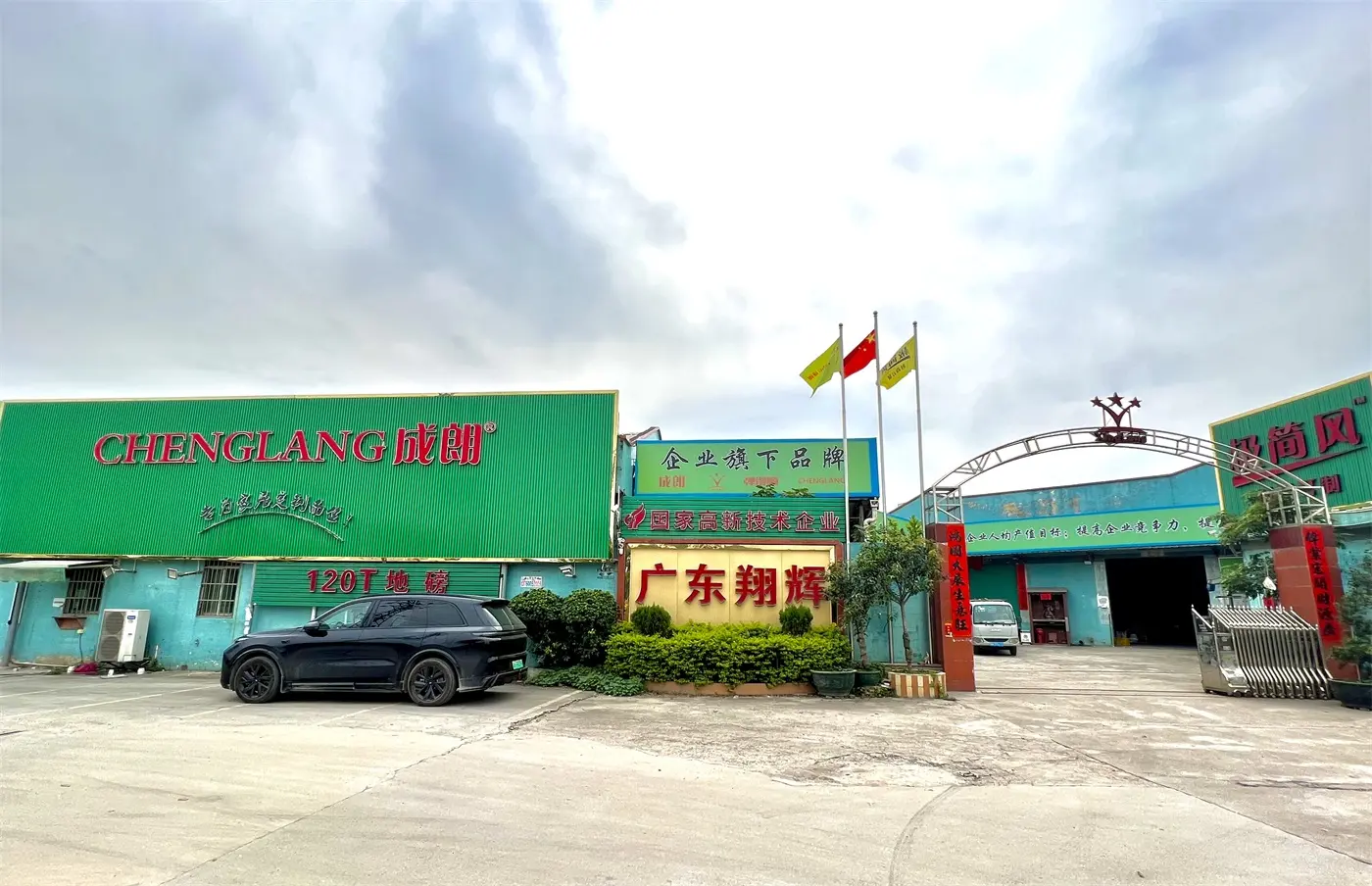
Guangdong Xianghui is a company with strong potential for long-term development, boasting a wide service range and possessing sustainable competitive advantages in technology, brand, and industry. As a leading supplier of furniture hardware, backboards, hair straighteners and hangers, we pride ourselves on providing high-quality products that meet the diverse needs of our customers.
Our range of furniture hardware includes a wide range of accessories and fixtures designed to enhance the functionality and beauty of your furniture. From drawer slides and hinges to knobs and handles, we offer solutions that meet the highest standards of durability and performance. Our commitment to quality ensures that our customers can rely on our products for lasting satisfaction.
Years Industry Expertise
Daily Output Capacity
Global Export Markets
BIFMA / RoHS Compliant
Selecting the correct metallurgical composition is critical to preventing dynamic fatigue failure in heavy seating structures. The industry standard utilizes three primary alloy systems: Stainless Steel (SUS 304 grade for premium applications), Aluminum Alloy (6063-T5 for architectural rigidity and weight savings), and Cold Rolled Iron/Carbon Steel (for heavy-duty cost-efficiency).
Below is the engineering matrix outlining the mechanical and environmental performance of our premium leg selections, offering deep design support for structural engineers and sourcing managers:
| Leg Classification | Primary Material | Tensile Strength (MPa) | Salt Spray Endurance | Standard Adjustability Range |
|---|---|---|---|---|
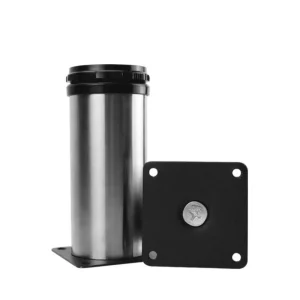
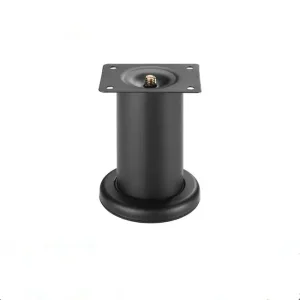
| Heavy-Duty Adjustable Cabinet Feet | SUS 304 Stainless Steel | ≥ 520 | Up to 96 Hours (ASTM B117) | 0 mm - 35 mm |
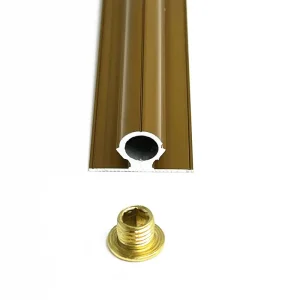
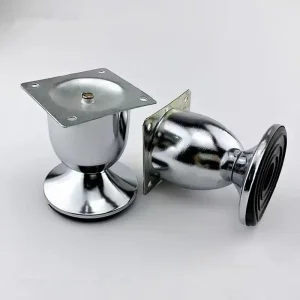
| Square & Round Luxury Profiles | 6063-T5 Anodized Aluminum | ≥ 186 | Up to 120 Hours (Anodised) | 0 mm - 15 mm |
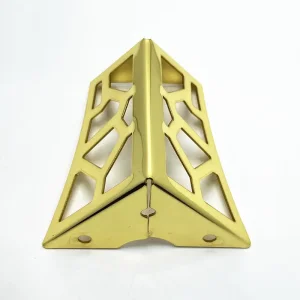
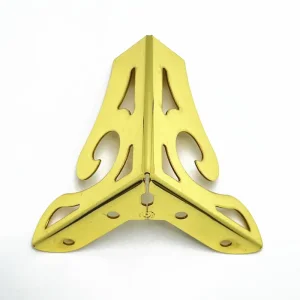
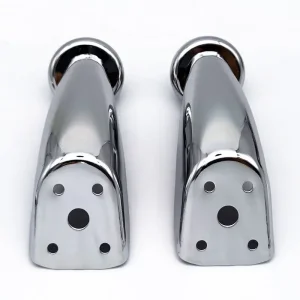
| Ornate & European Curved Legs | Stamped Carbon Steel / Zinc Alloy | ≥ 340 | Up to 48 Hours (Electroplated Chrome) | Fixed Height Designs |
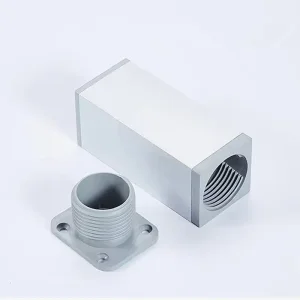
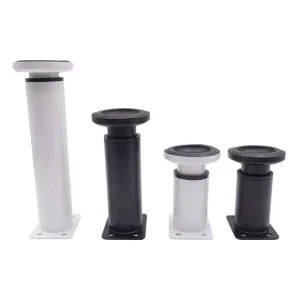
| Adjustable Base Supports | Cold Rolled Structural Steel | ≥ 270 | Powder Coated (72 Hours) | 0 mm - 50 mm |
For structural configurations, dynamic load factors must calculate a safety multiplier of 2.5x the static load. During standard BIFMA vertical testing protocols, our structural furniture supports are subjected to continuous cycle drop load checks, guaranteeing that thread assemblies maintain tight tolerances and will not slip or strip under cyclic industrial loads.
Ensuring dimensional accuracy across thousands of product units requires systematic engineering. The manufacturing flow at Guangdong Xianghui integrates automated cold-heading and high-pressure zinc alloy die casting processes. CNC turning centers handle custom thread pitches (M8, M10, and custom unified fine threads) to guarantee absolute thread concentricity. By utilizing automated optical inspection (AOI) cameras on the packaging line, we eliminate common manufacturing defects like minor thread burrs or micro-pitting in the electroplated layers.
Furthermore, our specialized surface processing laboratory continuously refines our dual-layer protective coatings. Standard processes like electroplating can leave micro-pores where humidity and salt ions penetrate, causing red rust on steel surfaces over time. To combat this, we apply an organic, nano-scale polymer sealing layer over the chrome or bronze plating, extending salt spray resistance by up to 200% compared to standard industry plating.
 Xianghui