How to Choose the Best Kitchen Inserts?

Time:2026-10-31 Author:Mason
0%

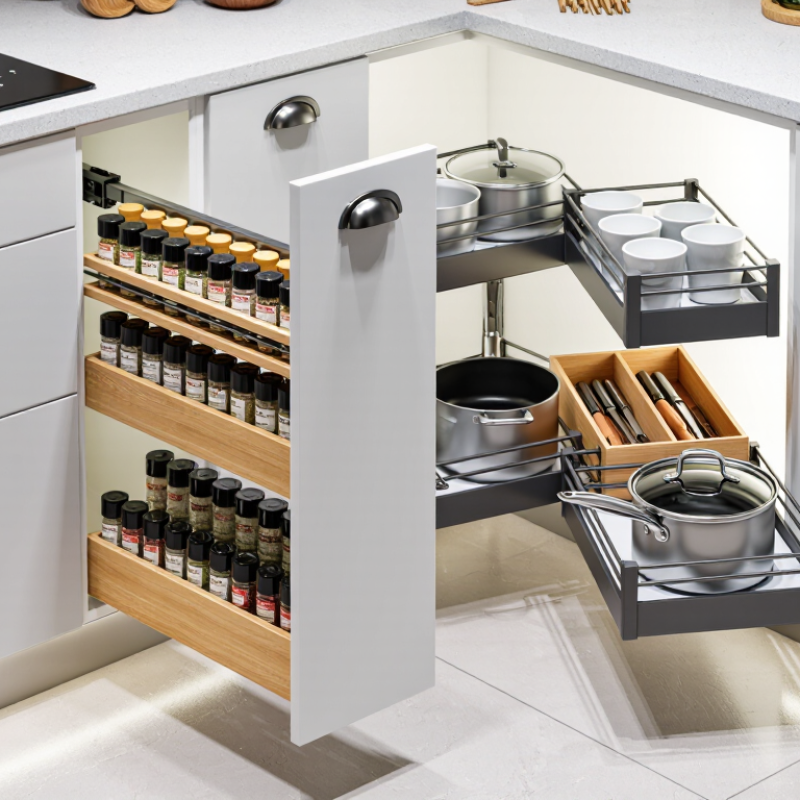
Kitchen Inserts can turn a crowded cabinet into a more useful part of your kitchen, but the right choice depends on more than appearance. A slim pull-out may keep spice jars visible, while a deep drawer divider can stop pans from sliding into a noisy pile. Small details matter. Your cooking habits, available space, and the items you reach for every day should guide the decision.

Start with accurate measurements. Check the cabinet’s usable width, depth, and height, including hinges, pipes, and drawer slides that may limit movement. Compare those figures with the insert manufacturer’s specifications; exterior cabinet dimensions can be misleading. Then consider material, cleaning, weight capacity, and installation. Metal may suit heavy cookware, while wood or plastic can work well for lighter items, depending on construction and care. A smooth-looking product is not automatically durable.

Think about access, too. A corner organizer is helpful only if it brings stored items within comfortable reach. A tray that fits perfectly but blocks a neighboring door may create a different frustration. Not always obvious. If possible, group the items you plan to store and test their arrangement before buying. That extra step takes a few minutes, yet it can prevent an insert from becoming another obstacle. The best Kitchen Inserts solve a real storage problem, fit the cabinet safely, and remain practical to clean and use. Some compromises are normal; the useful question is whether the trade-off works in your kitchen.
How to Choose the Best Kitchen Inserts?

What Kitchen Inserts Are and How They Improve Storage

Kitchen inserts are organizers fitted inside cabinets and drawers to divide, lift, or pull forward stored items. Examples include cutlery trays, tray dividers, tiered shelves, and pull-out baskets. They make contents easier to see and reach, especially in deep cupboards where jars can disappear behind one another. Small change. Houzz’s 2024 U.S. Kitchen Trends Study found that 76% of renovating homeowners upgraded their cabinets, showing how central cabinet storage is to kitchen projects.

An insert works best when it matches what you actually store. A narrow drawer may suit a fitted utensil tray, while a tall cabinet can hold adjustable dividers for baking sheets and chopping boards. The National Association of Home Builders’ 2024 What Home Buyers Really Want report found that 83% of buyers considered a walk-in pantry essential or desirable. Inserts can help smaller cabinets work more efficiently, though they cannot replace pantry space.

Measure the cabinet’s interior width, depth, and height before choosing an insert; hinges and pipes can reduce usable room. Check whether shelves need to be removable for cleaning, and leave clearance for pull-outs to open fully. There is a trade-off: a fixed organizer can improve order but limit flexibility when cookware changes. Even a tidy drawer can feel cramped. Keep frequently used items near the front, and reserve awkward corners for occasional-use tools.

How to Identify Your Kitchen Storage Needs

How to Choose the Best Kitchen Inserts?
How to Identify Your Kitchen Storage Needs

Start by noticing what slows you down during everyday cooking. Do you move three pans to reach the one you use? Are spice jars crowded behind taller bottles? These small frustrations reveal more than a cabinet’s empty space. For a few days, note which items you reach for often, where they live, and what gets misplaced. Check drawers and shelves when they are normally full, not just after a clear-out. A storage plan based on a tidy, unusually empty kitchen may not fit real life.

Measure the inside width, depth, and usable height of each space. Hinges, pipes, drawer runners, and shelf lips can reduce the room available. Group items by task, such as baking tools or breakfast supplies, then consider inserts that keep those groups easy to see and reach. A deep drawer might suit adjustable dividers for utensils, while a narrow cabinet may benefit from a pull-out organizer. Still, more compartments are not always better; tiny sections can make bulky tools awkward to store.

Tips: Keep a short list of daily-use items, measure twice, and leave a little clearance for smooth movement. If you are unsure, test the layout with removable containers before buying a fitted insert. A bit of empty space can be useful, too.

How to Choose the Best Kitchen Inserts: Identify Your Storage Needs

Start by checking your cabinet’s nominal width, then measure its clear interior space before choosing an insert.

How to use this chart: The widths shown are common nominal base-cabinet sizes, not the usable interior widths. Measure the cabinet opening and check the insert’s fit requirements, especially around hinges and plumbing.

Which Insert Materials and Designs Suit Your Kitchen

Kitchen insert materials should match what they hold and how often you clean them. Solid wood feels sturdy and suits cutlery or serving tools, but standing water can stain it. Bamboo is light and often works well in dry drawers. Metal dividers are useful for heavier utensils and wipe clean easily, though loose pieces may rattle. Food-safe plastic is practical for damp areas and crumbs, but thin trays can flex under weight. Check the edges and corners. Those spots collect grime.

Design matters just as much as material. Adjustable dividers can adapt when your collection changes, while fixed compartments keep everyday items from sliding around. For a narrow drawer, long sections may fit spatulas better than a grid of tiny boxes. Measure the drawer’s inside width, depth, and height, including any rails or hinges. Leave a little clearance. An insert that fits on paper may catch when the drawer opens.

Think about your routine, not just the display. Place frequently used spoons near the front, and keep sharp tools separated. A neat layout can still feel awkward if each utensil needs careful placing. That trade-off is easy to miss. Choose a design you can clean without removing every divider, and test the arrangement with your usual kitchen tools before settling on it.

How to Check Measurements and Cabinet Compatibility

Before choosing a kitchen insert, measure the cabinet opening, not just the door. Remove stored items and check the width at the front, middle, and back; older cabinets may taper slightly. Record the narrowest measurement. Measure usable depth from the inside of the frame to the rear wall, noting hinges, pipes, or outlets that take up space. Small differences matter.

Check clear height, especially beneath a sink or countertop. Note rails, drawer slides, and shelf supports that cannot be removed. Compare your measurements with the insert’s installation dimensions, not only its advertised outer size. Pull-out units may need extra room for brackets and smooth movement. Leave a little tolerance. A fit that looks exact on paper may bind after installation.

Check the cabinet construction. Face-frame cabinets have a front lip that can reduce access, while frameless cabinets usually have a wider opening. Confirm the door swing, hinge position, and whether the cabinet floor can support the insert and its contents. For a heavy pot organizer, inspect the base for water damage or flex before drilling. Measure twice. Write everything down in one unit. It is easy to overlook a hinge that blocks the insert from sliding out fully. If the cabinet shape is unusual, sketch the opening and confirm the fit with a qualified cabinet professional.

How to Compare Installation, Maintenance, and Cost

Choosing kitchen inserts is less about the number of compartments and more about whether they fit your daily routines. Compare installation requirements before buying: a pull-out bin may need clear space behind the cabinet door, while a deep drawer organizer must match the drawer’s internal width. Measure the opening, hinges, and plumbing obstructions. Measure twice. Check weight ratings and whether mounting screws can reach solid cabinet material; thin panels may need reinforcement. A quick sketch of the cabinet interior can prevent an expensive mismatch.

Maintenance and cost deserve equal attention. Metal rails and removable trays are usually easier to clean than fixed, narrow compartments. Ask whether replacement parts are available, and check how the finish handles spills and damp cleaning cloths. In its 2024 U.S. Kitchen Trends Study, Houzz reported median spending of $55,000 for major kitchen remodels and $18,000 for smaller remodels in 2023. Those figures cover whole projects, not inserts, but they show why small upgrades still need a budget. Compare the insert price with installation labor, extra hardware, and possible cabinet modifications. A cheaper unit can cost more if fitting takes longer. It is tempting to assume every corner deserves a clever mechanism; sometimes a plain shelf is easier to maintain.

How to Choose the Best Kitchen Inserts? — How to Compare Installation, Maintenance, and Cost
Insert Type How It Works Installation Considerations Routine Maintenance Typical Unit Cost (USD) Best Fit
Ducted insert Captures cooking fumes and sends them through ductwork to the outdoors. Needs a route to an exterior wall or roof. Existing ductwork can simplify installation; new ductwork or cabinet changes can increase labor and project cost. Wash metal grease filters regularly according to the manual. Clean the hood interior and check the duct and exterior vent periodically for grease buildup or blockage. About $200–$1,500 for the insert; installation is additional and varies with ductwork and electrical requirements. Kitchens where effective removal of smoke, heat, and cooking odors is a priority and outdoor venting is practical.
Recirculating insert Passes air through grease and charcoal or other odor-reducing filters, then returns it to the kitchen. Does not require an exterior exhaust duct, so it can be easier to fit where outdoor venting is unavailable. Confirm that the insert is designed for recirculating use and that the correct filters are available. Clean reusable grease filters regularly. Replace odor-control filters on the schedule specified by the manufacturer; these filters are generally not washable. About $150–$800 for the insert; replacement filters add an ongoing cost. Kitchens where routing a duct outdoors is difficult or not permitted. It filters odors but does not remove heat and moisture from the room as outdoor venting does.
Convertible insert Can be set up for either outdoor ducting or recirculation, depending on the model and installation. Offers flexibility, but the installation method must be selected in advance. Ducted use requires a suitable duct route; recirculating use requires compatible filters and configuration. For ducted use, maintain the grease filters and check the vent path. For recirculating use, also replace the odor-control filters as directed. About $250–$1,200 for the insert; installation and any ductwork are additional. Homeowners who want to preserve the option to change the ventilation setup later.
Custom-sized or higher-capacity insert Designed to fit a particular hood enclosure or provide greater airflow for demanding cooking setups. Check the enclosure dimensions, required clearances, electrical supply, and duct size before purchase. Larger or nonstandard installations may need cabinet work or professional fitting. Maintenance is similar to other inserts: clean grease filters and interior surfaces regularly, and replace any disposable odor filters when applicable. Often $500–$2,000 or more for the insert; custom work and installation can substantially increase the total. Kitchens with a custom hood enclosure, frequent high-heat cooking, or specific size and performance requirements.
Cost note: These are broad, approximate U.S. retail price ranges for the insert itself, not guaranteed quotes. Labor, ductwork, electrical work, permits, filter replacements, and local pricing can change the total. Compare the insert’s dimensions, airflow rating, noise rating, filter availability, and installation requirements before choosing.

FAQS

What are kitchen inserts?

They are organizers fitted inside cabinets or drawers. Common examples include utensil trays, tray dividers, tiered shelves, and pull-out baskets.

How can inserts improve kitchen storage?

They help separate items and make stored things easier to see and reach. In deep cupboards, a pull-out basket can bring hidden jars forward.

How should I choose an insert for a cabinet?

Match it to the items you store. A narrow drawer may suit a utensil tray, while a tall cabinet can hold dividers for baking sheets.

What should I measure before buying?

Check the cabinet’s interior width, depth, and height. Measure around hinges and pipes, too. Measure twice.

What can make a pull-out organizer difficult to install?

Cabinet doors, plumbing, and limited clearance may block its movement. Check the opening and weight rating, and make sure screws can reach solid material.

Are fixed organizers always the best choice?

No. They can keep items orderly but may limit flexibility when cookware changes. A perfectly divided drawer can still feel cramped.

Which inserts are easier to maintain?

Removable trays and metal rails are often easier to clean than narrow, fixed compartments. Check replacement-part availability and how the finish handles spills.

How should I compare the total cost?

Include the insert price, installation labor, extra hardware, and any cabinet changes. A cheaper unit may take longer to fit. Sometimes a plain shelf is simpler.

Can inserts replace a pantry?

No. They can help smaller cabinets work more efficiently, but they cannot create pantry space. Keep everyday items near the front and occasional-use tools in awkward corners.

Conclusion

Kitchen Inserts can transform cluttered cabinets and drawers into organized, easy-to-use storage. Choosing the right options starts with identifying what you need to store, how often you use those items, and which areas of your kitchen are hardest to keep organized. Consider whether adjustable dividers, pull-out trays, drawer organizers, or other designs will make everyday tasks more convenient. Materials should suit your kitchen’s style and withstand the demands of regular use, while being simple to clean and maintain.

Before choosing an insert, measure the cabinet or drawer carefully, including its usable width, depth, height, and any obstructions. Check that the design is compatible with the cabinet’s layout and opening. Finally, compare installation requirements, upkeep, and overall cost to find a practical solution that fits your space and budget. A well-matched insert can improve access, make better use of available storage, and help keep the kitchen orderly over time.


Mason

Mason

Mason is a seasoned marketing professional with a deep expertise in the company's offerings and a passion for driving brand awareness. With a strong background in digital marketing strategies, he has an innate ability to connect with diverse audiences and effectively communicate product benefits.......