Engineered to withstand high stresses and meet exact quality benchmarks for global custom kitchen cabinetry production.
In the contemporary global furniture industry, kitchen cabinet design has shifted from utilitarian storage spaces to highly integrated, architecturally striking focal points. For B2B kitchen manufacturers, cabinet brand operators, and industrial woodworking factories, selecting high-caliber cabinet accessories is not merely a question of aesthetics; it is a critical engineering decision that dictates product durability, return rate mitigation, and brand reputation. With global trends favoring large, floor-to-ceiling doors, clean frameless facades, and long-lasting mechanical integrations, structural accessories have emerged as the foundational elements of high-end millwork.
The industrial landscape of kitchen manufacturing is undergoing rapid, structural evolution. Key trends shape the procurement priorities of large-scale importers and furniture factories:
Global procurement teams at manufacturing firms encounter severe challenges regarding product consistency, metallurgical purity, and mechanical tolerances. Cheap cabinet legs often lead to structural sagging or complete collapse under the weight of quartz countertops, while low-grade alloy handles are prone to surface oxidation in damp kitchen environments. Consequently, top-tier factories demand accessories that meet strict industry standards, including SGS load-bearing verifications, RoHS compliance, and certified salt spray testing performance. Mitigating these risks requires direct partnerships with manufacturers capable of executing rigid quality inspection protocols at the raw material stage.
How Guangdong Xianghui (Chenglang Fittings) powers global supply chains through advanced automation, technological precision, and deep industry partnerships.
Leveraging state-of-the-art automated stamping lines, high-speed multi-axis CNC milling, and precise electroplating technology to guarantee microscopic structural tolerances, immaculate surface finishes, and zero dimensional drift across high-volume production batches.
Our commitment to rigorous manufacturing standards has secured long-term strategic supplier relationships and deep technical integrations with globally recognized industry giants, including DTC, Hettich, Norma, and Quanyou.
We optimize product geometry and metallurgy continuously to address real-world kitchen problems. Our agile prototyping structure and flexible cost control enable us to manufacture highly specialized OEM/ODM hardware that outlasts standard solutions.
Guangdong Xianghui is a progressive, high-capacity enterprise with strong long-term developmental viability, boasting an extensive service footprint and sustainable competitive advantages in technology, branding, and global hardware manufacturing. As an industry-leading manufacturer and supplier of furniture hardware, structural backboards, heavy-duty door straighteners, and specialized cabinet hanger systems, we serve high-volume manufacturing clients across Europe, North America, Southeast Asia, and domestic markets.
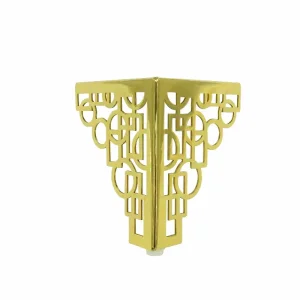
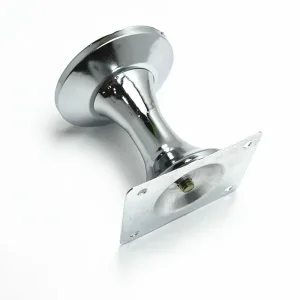
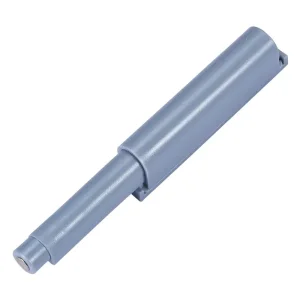
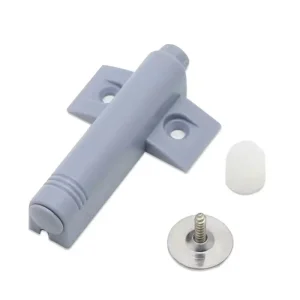
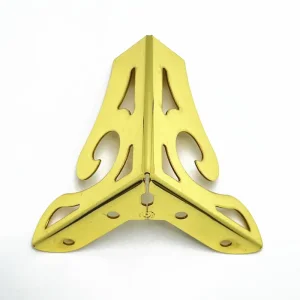
Our comprehensive structural portfolio includes accessories and fixtures designed to optimize the lifetime value, aesthetics, and ease-of-assembly of modern cabinetry. From robust, multi-layer electroplated furniture feet to sophisticated hidden rebound mechanisms, we deliver high-performance hardware engineered to survive heavy cyclic usage. At CHENGLANG, quality control is integrated into every phase of production, ensuring that our commercial clients receive batch-to-batch uniformity, flawless finishes, and reliable mechanical operations.
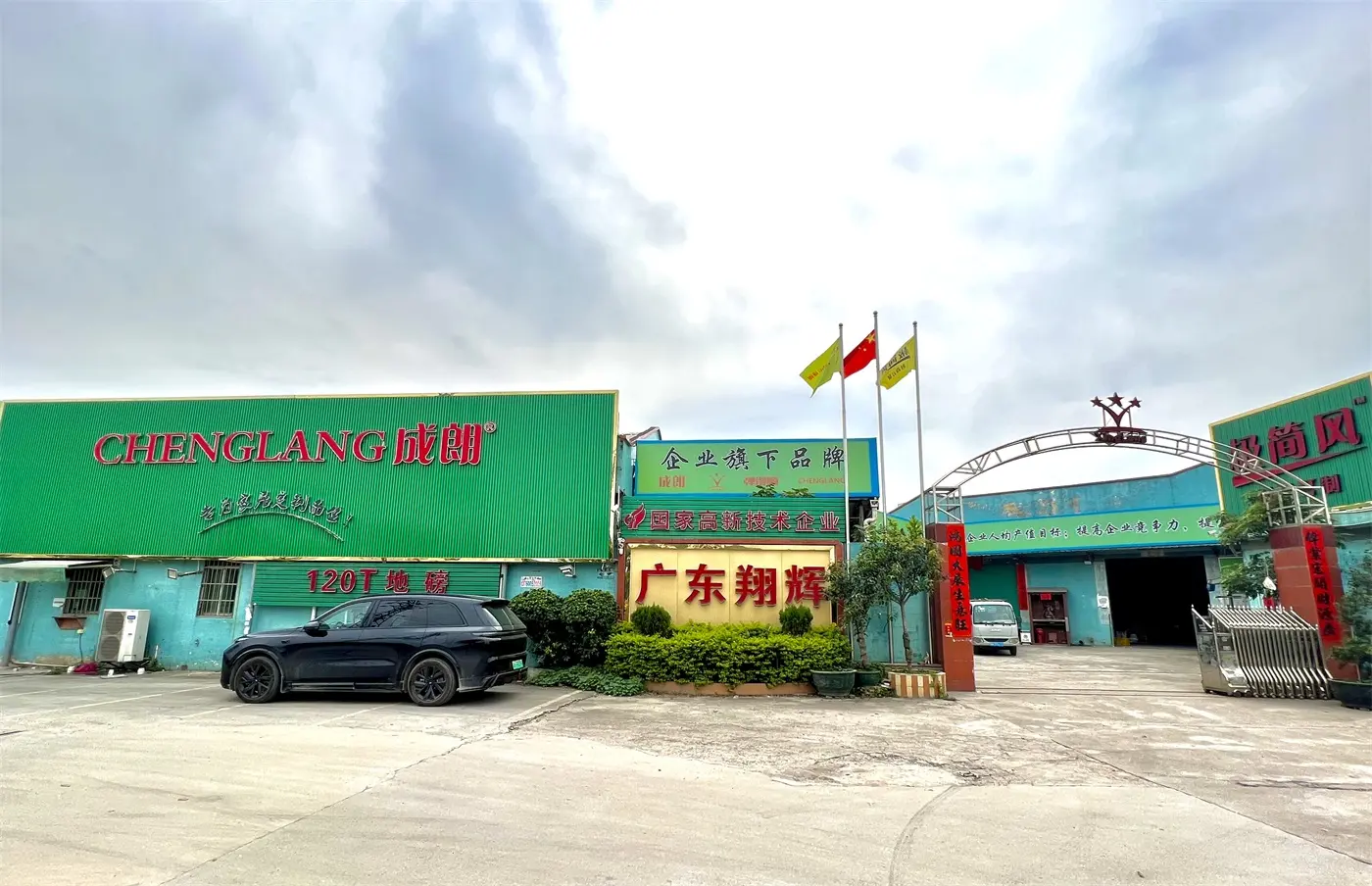
In today's highly volatile global logistics and manufacturing environment, industrial buyers seek more than cheap prices; they look for strategic resilience. Chinese manufacturing facilities have migrated past basic low-cost labor paradigms into complex Factory 4.0 automated hubs. Guangdong Xianghui's manufacturing base demonstrates this evolution:
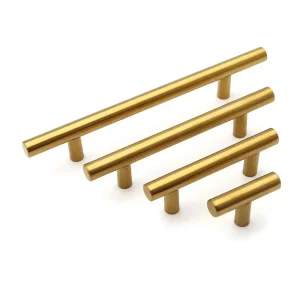
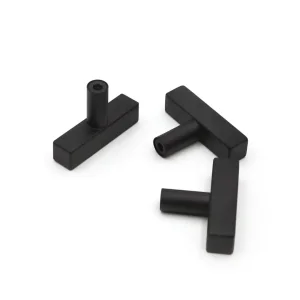
By automating the metal forming and zinc-alloy casting processes, we eradicate human error. Each batch of cabinet feet, door bouncers, and stainless-steel handles aligns with strict engineering blueprints. This automation significantly reduces material waste and speeds up production, directly lowering unit costs for large volume contracts.
Our sophisticated surface treatment operations use eco-friendly electroplating and powder-coating technologies. This ensures that cabinet legs and metal pulls feature flawless surface uniformity, excellent adhesion, and superior resistance to corrosive agents like humidity, salt, and acidic household cleaners.
Operating out of Guangdong, the premier hub for global furniture hardware manufacturing, we leverage close proximity to raw material producers, specialized surface treaters, and deep-water ports. This localization minimizes internal logistics times, protects our production lines against raw material shortages, and ensures stable delivery timelines even during global logistics bottlenecks.
The requirements for kitchen cabinetry hardware vary significantly by geography, reflecting distinct architectural preferences and local construction codes:
Answers to common technical and logistics questions from OEM/ODM buyers, procurement managers, and cabinet factories.
Complete your production runs with durable, touch-to-open latch mechanisms and precision-crafted hardware.
 Xianghui