Engineered to prevent cabinet door deformation, optimize assembly times, and deliver robust support across heavy kitchen and bathroom millwork configurations.
Analyzing the dynamics of structural materials, environmental standards, and precision hardware systems in modern residential and commercial millwork projects.
In the contemporary real estate, design, and hospitality landscapes, millwork functions as both a crucial aesthetic focal point and a heavy-use utilitarian surface. The global market for cabinet kitchen cabinet doors and structural furniture components is experiencing a major transition. Today, developers and custom kitchen manufacturers face the challenge of sourcing materials that satisfy strict volatile organic compound (VOC) emissions restrictions (such as California Air Resources Board CARB Phase 2 or European E1/E0 standards) while remaining geometrically stable under variable humidity levels.
Modern architectural trends skew toward full-height, slab-style doors that stretch up to 2.7 meters. While visually impressive, these tall designs are highly vulnerable to deflection and warping caused by moisture imbalances and temperature shifts across the panel face. As a result, the integration of structural tensioning systems, like door panel straighteners, has become standard practice for high-tier millwork firms worldwide. These mechanical inserts allow for micro-adjustments that prevent warpage over the product's lifespan.
"High-end modern architectural specifications now routinely mandate that any engineered wood cabinet door panel exceeding 1600mm in height must feature an integrated, adjustable tension rod straightener to ensure long-term flatness and visual alignment."
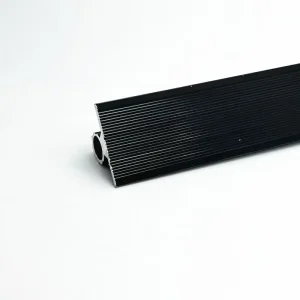
Cabinet door structural failure is rarely limited to the wood panel itself. Rather, it is typically a system-wide failure involving hinges, the base support leveling matrix, and the structural straightener. Modern cabinet door panel straighteners function by creating a tension-counter-tension dynamic within the door body. A custom slot is milled into the reverse side of the MDF, HDF, or multi-ply core. An aluminum profile containing a carbon steel drawbar is embedded within this groove.
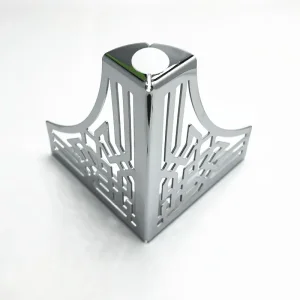
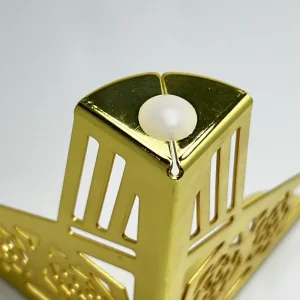
Adjusting the tension nuts on either end applies mechanical force that counteracts the warp direction. This mechanical system is complemented by heavy-duty, adjustable cabinet feet and legs. If a cabinet base settles unevenly on a construction site, the cabinet carcase warps slightly. This twisting force transfers to the hinges and causes the door margins to sag. High-performance aluminum alloy and electroplated steel legs are essential for isolating the cabinetry from subfloor movement.
| Structural Component | Primary Material Specification | Recommended Application Parameters | Performance Metric / Standard |
|---|---|---|---|
| Universal Door Panel Straightener | Aluminum Outer Shell + High-Tensile Steel Core | Door panels over 1.6m height, thickness ≥ 18mm | Corrects up to 10mm panel curvature |
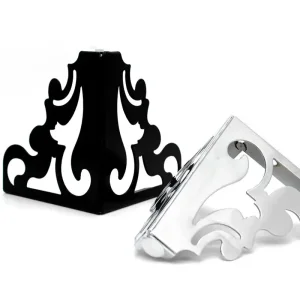
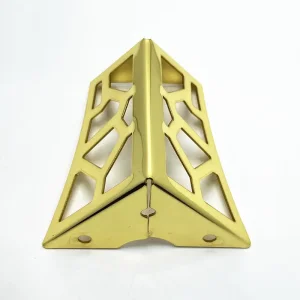
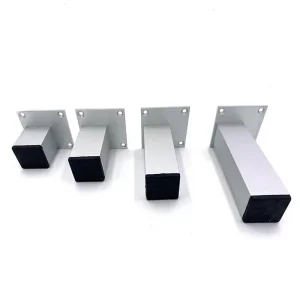
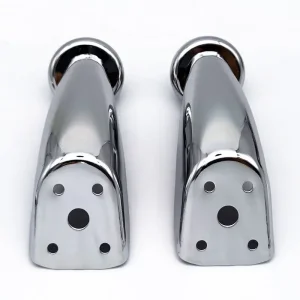
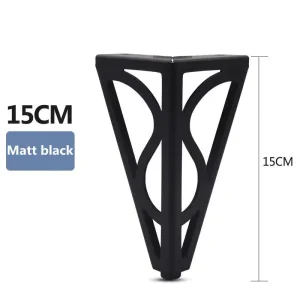
| Adjustable Support Legs | Extruded Aluminum Alloy or Electroplated Iron | Heavy vanity bases, commercial food prep blocks | Supports >150kg/leg loading capacity |
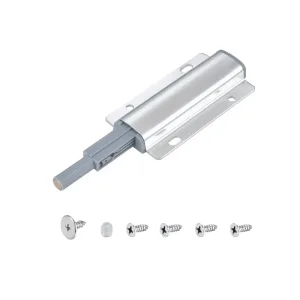
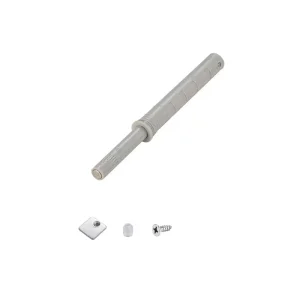
| Soft-Close Rebound Devices | Aluminum Casing + Neodymium Magnetic Tip | Handleless doors, minimal gap modern drawer systems | Tested to >100,000 open/close cycles |
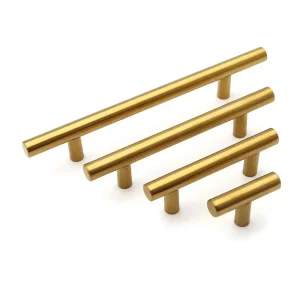
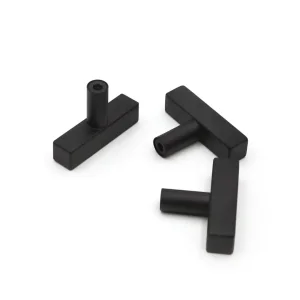
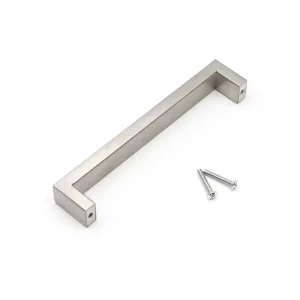
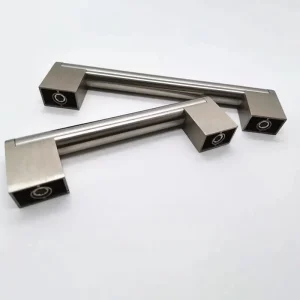
| Stainless Steel Wardrobe Pulls | Grade 201/304 Austenitic Stainless Steel | High-humidity zones, commercial lab/office kitchens | Salt spray test duration ≥ 48 Hours |
How advanced automation, complete raw material supply chains, and refined processing technologies drive cost-efficiency in Chinese manufacturing.
By leveraging CNC machining centers, automated edge-banding machines, and precision robotic plating plants, factories in Guangdong maintain low tolerance thresholds (±0.2mm) while ensuring high yield rates for volume orders.
The Pearl River Delta furniture hardware cluster provides direct access to high-grade sheet metal, high-performance plastics, specialized coatings, and tooling specialists. This concentration keeps raw material lead times and logistical overhead to a minimum.
High-volume manufacturing lines run continuous testing protocols. These include cycle testing for spring-loaded magnetic push catches and weight-deflection stress testing for aluminum alloy structural support legs.
Years Supply Chain Experience
Daily Component Output
Export Destinations Worldwide
Post-Sale Defect Tolerance Rate
Guangdong Xianghui is a company with strong potential for long-term development, boasting a wide service range and possessing sustainable competitive advantages in technology, brand, and industry. As a leading supplier of furniture hardware, backboards, hair straighteners, and hangers, we pride ourselves on providing high-quality products that meet the diverse needs of our customers.
Our range of furniture hardware includes a wide selection of accessories and fixtures designed to enhance both the functionality and beauty of your furniture. From drawer slides and hinges to knobs and handles, we offer solutions that meet the highest standards of durability and performance. Our commitment to quality ensures that our customers can rely on our products for lasting satisfaction.
We work closely with global millwork distributors, contract manufacturers, and building developers to supply components that meet regional regulatory requirements and high architectural specifications.
Technological Advantage: In terms of technology, Guangdong Xianghui utilizes advanced automated production equipment and innovative process technology to produce higher quality products that better meet customer needs.
Brand Advantage: The brand strength of Guangdong Xianghui is derived from multiple certifications and the recognition of customers worldwide. The company prioritizes customer-centric problem-solving and wholeheartedly serves its clients, earning the satisfaction and recognition of both new and existing customers.
Industry Advantage: Within the furniture hardware accessories industry, Guangdong Xianghui has established a certain level of credibility and has maintained long-term partnerships with major brands such as DTC, Hettich, Norma, and Quanyou.
Innovation Advantage: The company emphasizes its ability to innovate in the context of rapid technological advancement, focusing on how to use new technologies to create unique products or services and improve efficiency and profitability through small-scale organization and flexible cost control.
How hardware specifications change across modern commercial developments, luxury residential spaces, and high-density multi-family housing projects.
Projects of this type prioritize rapid installation, ease of maintenance, and high durability. Standardized cabinetry relies on cost-efficient steel pulls, robust nylon-base adjustable legs to balance subfloor defects, and highly reliable door alignment systems to minimize punch-list items during handover.
High-end projects emphasize clean lines, integrated layouts, and handleless operation. This style demands soft-close mechanical push-rebounders, concealed hardware, structural door straighteners behind wood veneers, and brushed gold finish accents to highlight high-end styling.
These environments require materials and finishes that resist high wear, moisture exposure, and chemical cleaners. Key components include Grade 304 stainless steel handles, heavy-gauge aluminum alloy support feet, and corrosion-resistant magnetic self-ejection devices.
1. Integration of Handleless Push Systems: The global demand for minimalist aesthetics has made push-to-open latch systems a standard specification. This requires engineering rebounders with strong magnetic forces and high-elasticity internal springs that can cycle reliably for years without losing tension.
2. Structural Deflection Prevention: With designers favoring floor-to-ceiling cabinet doors, manufacturers are shifting from simple raw materials to structural systems. Engineered board suppliers now sell panels pre-routed to accept door straighteners, reducing assembly line labor for millwork operations.
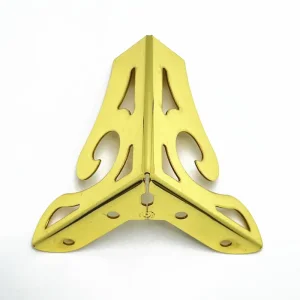
3. Anti-Corrosive Finishes: Anodizing, electroplating, and powder coating techniques are evolving to protect metallic accents (such as rose pattern cabinet legs and gold handles) from damp conditions in bathrooms, laundry areas, and professional kitchens.
Expert answers addressing the engineering, installation, and procurement details of modern cabinet components.
Browse our selection of durable support feet, handles, and door rebounders designed for clean, handleless millwork installations.
 Xianghui