Discover our primary selection of industrial-grade door straighteners, heavy-duty cabinet legs, and magnetic bouncers developed for high-end OEMs, developers, and global brands.
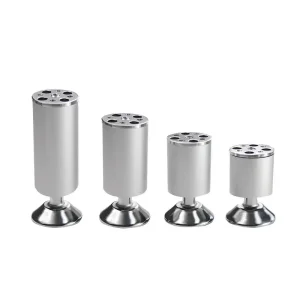
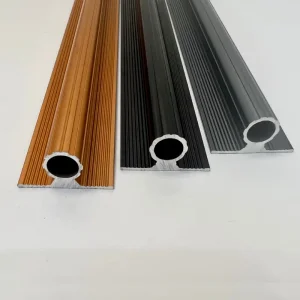
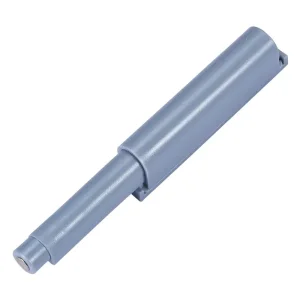
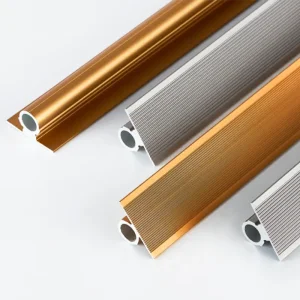
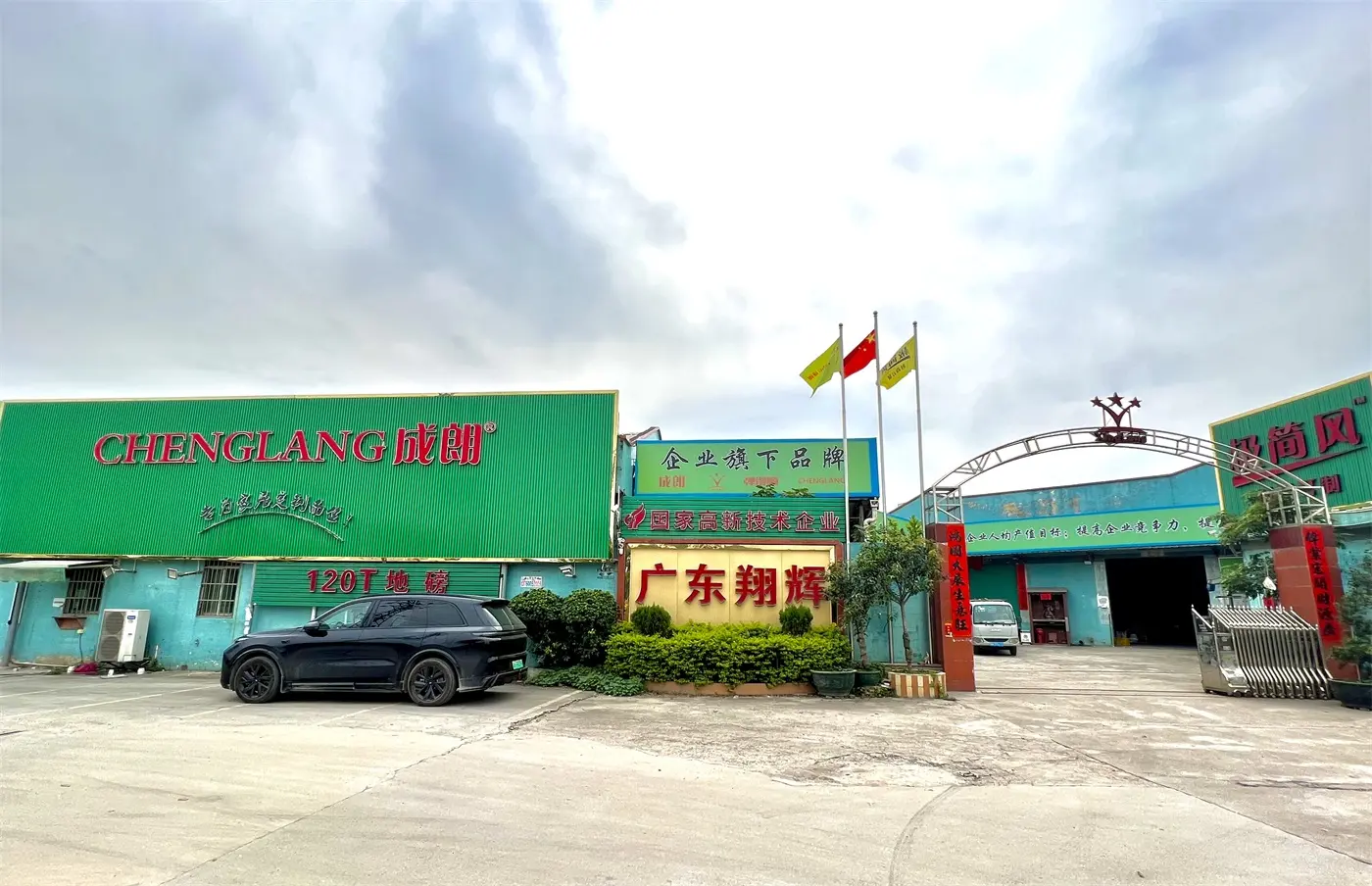
Guangdong Xianghui utilizes advanced automated injection molding machines and high-speed CNC metal processing equipment. This ensures precise production tolerances and high yield rates that satisfy large-scale OEM orders.
Our brand equity is anchored on structural quality certifications and client recognition across global logistics corridors. We prioritize client-centric engineering, problem-solving, and professional technical support.
Within the furniture hardware supply chain, we have established long-term production and manufacturing partnerships with major international and domestic brands, including DTC, Hettich, Norma, and Quanyou.
We continuously invest in R&D to leverage new materials (e.g. specialized engineering plastics and alloy configurations) to optimize cabinet opening mechanics, increase efficiency, and lower production costs.
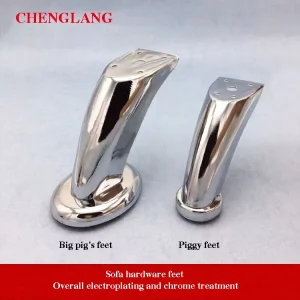
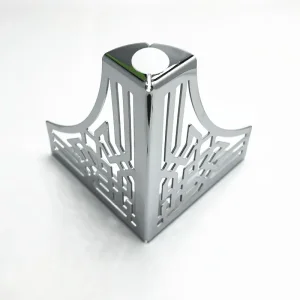
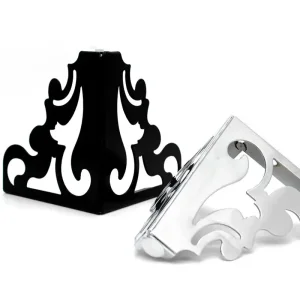
In coastal regions with high atmospheric salt content (such as Southeast Asia and Southern Europe), cabinet support legs and magnetic latch springs are susceptible to galvanic corrosion. To mitigate this risk, CHENGLANG offers aluminum and electroplated legs designed to withstand severe oxidation. Our premium finishes undergo continuous salt spray testing to verify rust resistance and long service life.
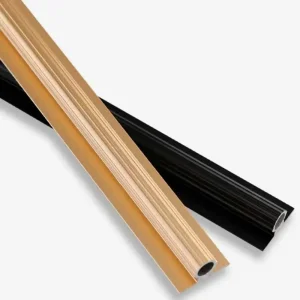
Modern European architectural designs often specify floor-to-ceiling wardrobe door panels exceeding 2.7 meters in height. These large MDF or particle board doors are prone to warping under seasonal humidity shifts. Installing our tension-adjustable door straighteners on the rear face of the panel counteracts these forces, keeping the door flat and maintaining clean alignments over time.
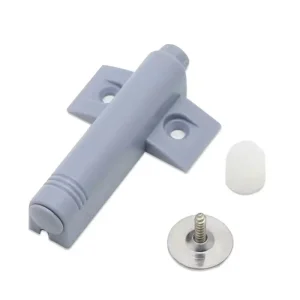
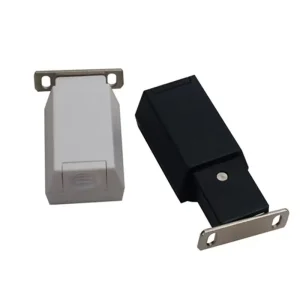
In high-traffic retail spaces and hotel lobbies, cabinet opening hardware must operate reliably under constant cycle demands. Our POM-based, heavy-duty magnetic rebounders facilitate a handle-free push-to-open design, minimizing physical wear on the doors while maintaining clean structural lines in high-use commercial cabinetry.
Cabinet door warping is typically caused by differential moisture absorption between the outer and inner faces of the wood panel. As humidity changes, wood fibers expand and contract unevenly, creating a bowing effect (warping vector). Wardrobe door straighteners counteract this warp. A metal rod is embedded into a routed groove on the back of the door and tensioned using an adjustment block. Applying mechanical tension offsets the warp, pulling the wood fibers back into alignment and keeping the panel flat.
POM is an engineering thermoplastic characterized by high stiffness, dimensional stability, and low friction. Unlike standard ABS or polypropylene, POM resists plastic deformation under constant structural load (mechanical creep). When used for the internal gears and latches of push-to-open rebounders, POM ensures that the components do not degrade during repeated compression cycles. This allows the rebounder to maintain its initial mechanical performance through 100,000 or more cycles.
Electroplating deposits a thin layer of chrome or nickel over the raw iron core using an electrolytic process. This coating serves as a barrier against oxygen and moisture, preventing iron oxide (rust) from forming. Premium components receive multiple plating layers, often beginning with copper for adhesion, followed by nickel for corrosion protection, and a final chrome layer for surface hardness and scratch resistance.
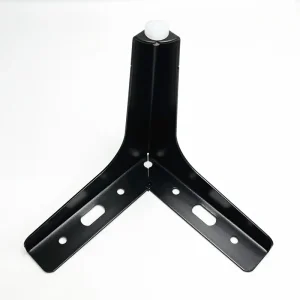
To determine the required load capacity, calculate the maximum possible static weight of the furniture unit (cabinet dead weight plus maximum contents weight), apply a safety factor of 1.5 to 2.0 to account for dynamic loads (e.g., impact from placing items down or leaning against the unit), and divide the total by the number of support legs. For example, if a fully loaded credenza weighs 200 kg and uses 4 legs, each leg should be rated to support a safe load of at least 75 to 100 kg.
Generally, standard soft-closing hinges are not recommended for use with push-to-open rebounders. The soft-closing mechanism (dampener) resists the outward push of the rebounder spring, which can prevent the door from opening far enough. For best results, use rebounders with specialized push-to-open hinges (which lack closing springs) or free-swinging hinges. This allows the rebounder's spring force to push the door panel fully open.
Explore our range of heavy-duty hollow metal legs, wardrobe door straighteners, and magnetic suction rebounders manufactured for international distribution.
 Xianghui