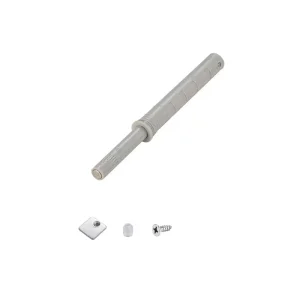
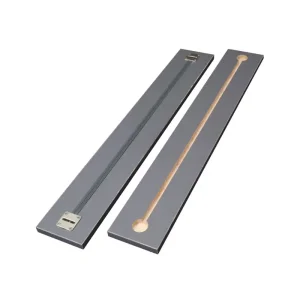
Explore engineering-grade cabinet legs, advanced door panel straighteners, and silent rebounders sourced globally.
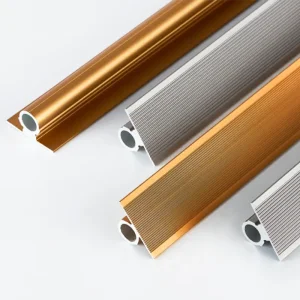
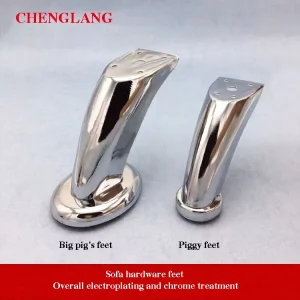
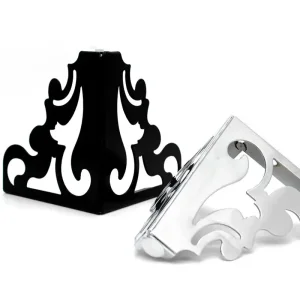
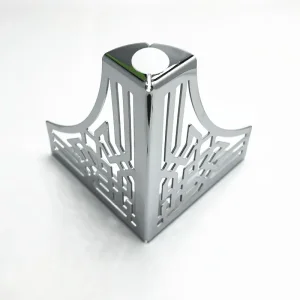
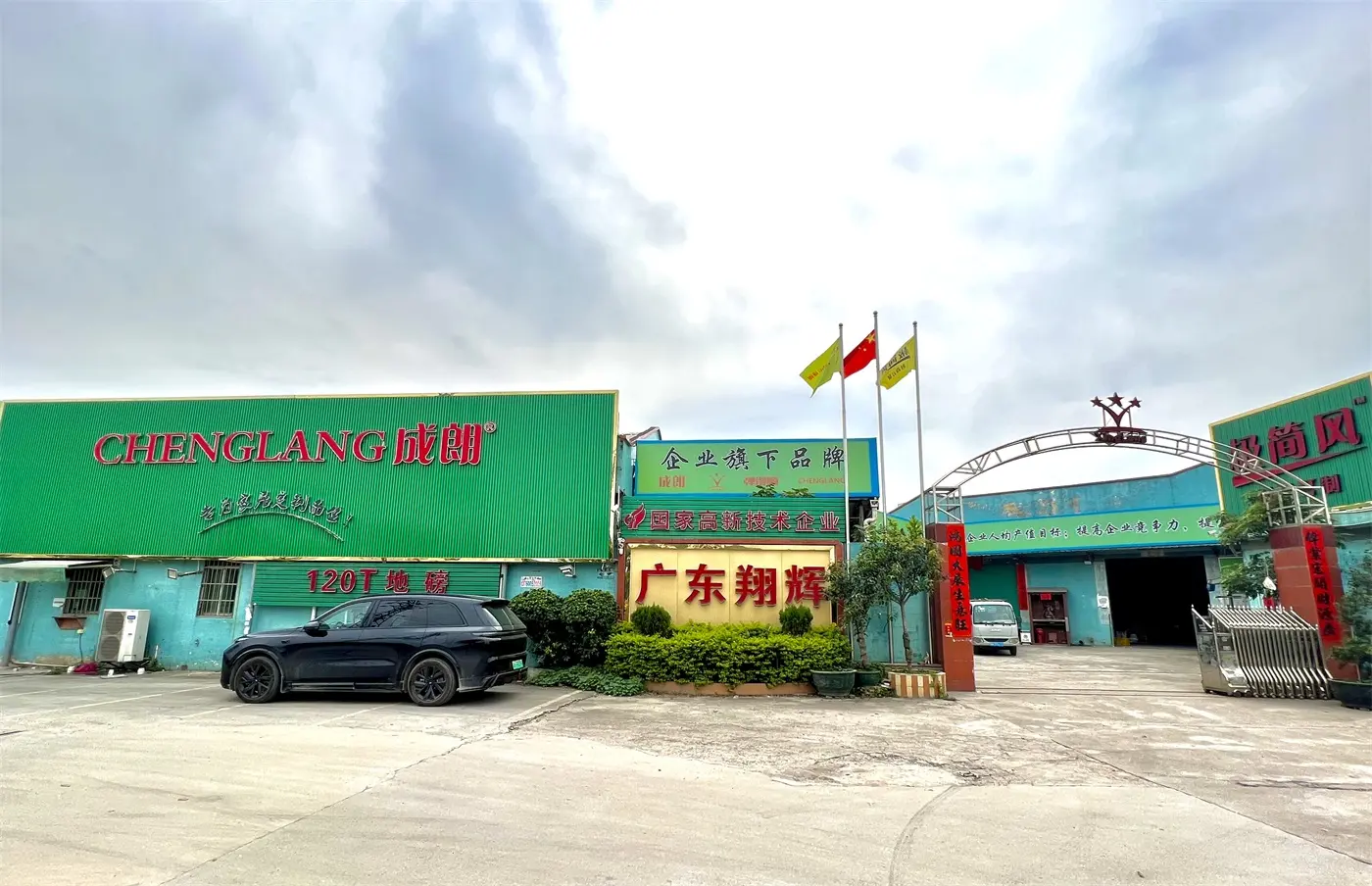
Guangdong Xianghui is an industrial enterprise with an exceptional trajectory for long-term development. Boasting a highly integrated service portfolio, we maintain sustainable, technology-driven competitive advantages spanning advanced machinery engineering, global brand equity, and vertical industry depth. As a premier global supplier of furniture hardware, structural backboards, precision door panel straighteners, and heavy-duty structural hangers, we pride ourselves on delivering elite engineering and material performance tailored to high-end interior architecture and contract furniture manufacturers.
Our comprehensive selection of furniture hardware incorporates a wide variety of accessories and fittings engineered to elevate both the mechanical utility and visual refinement of modern cabinetry. From robust drawer slides and silent-closing hinges to decorative hardware, luxury handles, and structural stability systems, each solution conforms to rigorous global fatigue, load, and chemical exposure standards. By centering our operations around client satisfaction, continuous optimization, and materials science, we ensure that B2B procurement partners receive components built for lasting operational lifespan and flawless integration.
Years Industry Experience
Daily Stamping Capacity
Countries Exported To
Machining Precision
Delivering engineered precision, reliable logistics, and recognized quality for leading global furniture brands.
In terms of technology, Guangdong Xianghui utilizes advanced automated production equipment and innovative process technology to produce higher quality products that better meet customer needs.
The brand strength of Guangdong Xianghui is derived from multiple certifications and the recognition of customers worldwide. The company prioritizes customer-centric problem-solving and wholeheartedly serves its clients, earning the satisfaction and recognition of both new and existing customers.
Within the furniture hardware accessories industry, Guangdong Xianghui has established a certain level of credibility and has maintained long-term partnerships with major brands such as DTC, Hettich, Norma, and Quanyou.
The company emphasizes its ability to innovate in the context of rapid technological advancement, focusing on how to use new technologies to create unique products or services and improve efficiency and profitability through small-scale organization and flexible cost control.
How Modern Furniture Design and Advanced Metal Fabrication Converge in Modern Chinese Smart Factories
Global supply chains rely heavily on China's integrated industrial hubs for precision hardware. Guangdong, specifically the Pearl River Delta industrial cluster, represents the absolute zenith of this manufacturing capability. By establishing end-to-end supply integration—from raw cold-rolled steel processing and precision zinc alloy die-casting to advanced automated electroplating facilities—Chinese factories minimize raw material freight delays while driving down production overhead.
Unlike fragmented manufacturing sites in other parts of the world, a leading Chinese hardware factory integrates metallurgy, mechanical mold development, surface treatment, and cycle testing within close geographic proximity. This clustering dynamic permits agile customization cycles, allowing factories to respond to shifts in European and North American design parameters within weeks rather than months. B2B volume buyers benefit from optimized container stuffing, direct proximity to international shipping ports (Shenzhen, Nansha, Guangzhou), and robust compliance with international testing regimens such as SGS, BIFMA, and EN standards.
The furniture hardware sector is undergoing a massive shift towards structural stabilization, minimalist integration, and longevity. Three major engineering trends dominate:
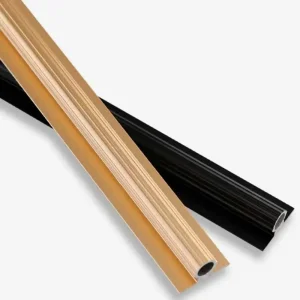
Modern luxury architecture demands floor-to-ceiling wardrobe and kitchen cabinets. These massive panels (often exceeding 2.7 meters) are highly prone to warpage due to moisture and temperature variation. Tension-adjustable door straighteners, engineered with carbon steel cores, have transitioned from premium additions to structural necessities, keeping panels flat over decades.
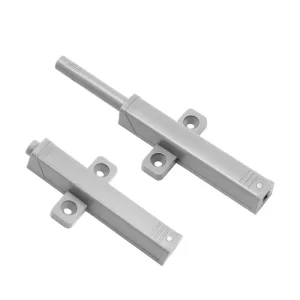
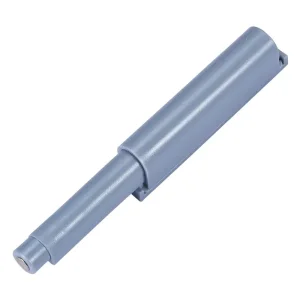
Push-to-open mechanisms, magnetic cabinet door bouncers, and concealed soft-close dampening cartridges define the sleek face of contemporary cabinet designs. Factories now use structural engineering polymers and high-grade magnets to ensure bouncers execute over 100,000 opening/closing cycles without losing spring tension.
Modern buyers reject zinc coatings that degrade and rust. Leading factories employ multi-stage electroplating, including chrome plating and Brushed PVD (Physical Vapor Deposition) gold finishes. These coatings endure 48-hour to 96-hour neutral salt spray tests, vital for humid kitchen and bathroom environments.
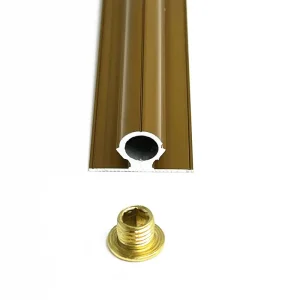
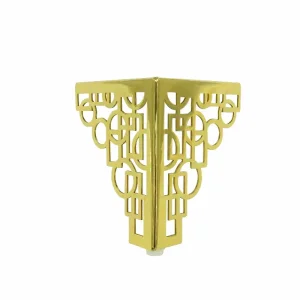
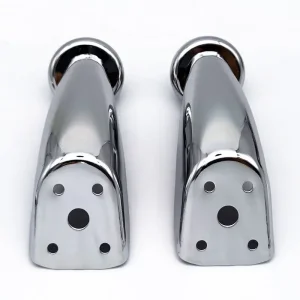
An experienced manufacturer designs furniture hardware with regional variations in mind. In coastal or tropical zones (e.g., Southeast Asia, Central America), humidity necessitates the use of grade 304 or 316 stainless steel cabinet legs and rust-proof aluminum-alloy components. Conversely, in dry, centrally heated Northern European or North American interiors, stability fittings like door straighteners must prevent wood fiber cracking and tension loss.
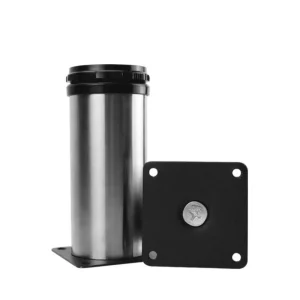
Furthermore, commercial and institutional environments (hotels, office spaces, hospitals) require heavy-duty performance characteristics. The load bearing requirements of sofa and cabinet support legs must withstand static vertical forces exceeding 500kg. Meeting these requirements demands cold-rolled, heavy-gauge steel tubes combined with reinforced mounting plates.
For global contract furniture brands and OEMs, sourcing hardware is not simply a transactional trade; it is a critical process safety integration. To mitigate supply chain vulnerabilities, modern Chinese factories offer customized OEM/ODM design verification pipelines:
Addressing critical engineering questions from procurement heads and manufacturing engineers
High durability structural hinges, metal support systems, and advanced hardware straighteners for global B2B clients.
 Xianghui