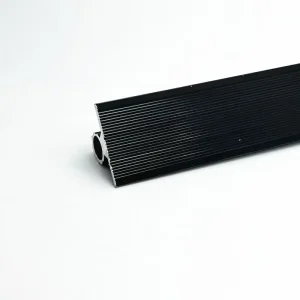
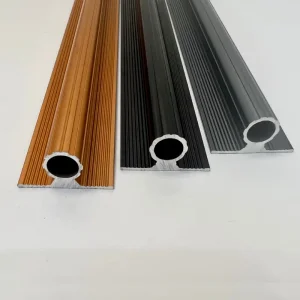
Featured Precision Engineering Portfolio (Showcase I)
Analyzing Structural Minimalism, Ergonomics, and Advanced Material Engineering
The contemporary home furniture and architectural design landscape is undergoing a significant transformation driven by modern minimalist aesthetics, spatial constraints, and human-centric ergonomics. As residential and commercial floor plans shift toward streamlined configurations, structural design has pivoted away from ornamental overlays to favor geometric clean lines, handle-free interfaces, and advanced concealed mechanisms. This shift has placed unprecedented structural demands on mechanical hardware, rendering standard hinges and supports obsolete. The modern home design paradigm relies on hidden architectural integrity, where the stability of multi-functional components is entirely dictated by the precision of underlying hardware.
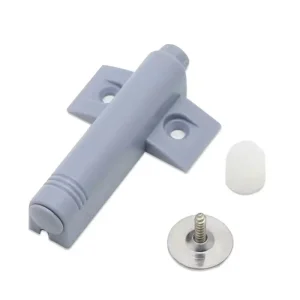
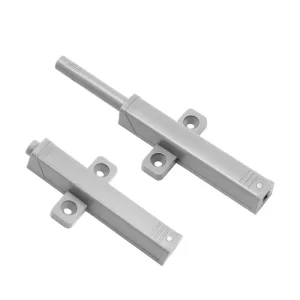
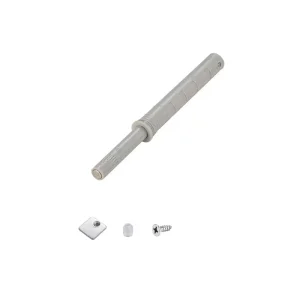
A primary macro trend in high-end millwork and wardrobe design is the adoption of ultra-tall floor-to-ceiling cabinet doors, often exceeding 2.7 meters in height. At these dimensions, natural wood fibers and manufactured core boards (such as MDF or HDF) are highly susceptible to volumetric warping due to changes in relative humidity and ambient temperature. To address this structural challenge, design firms and high-end manufacturers incorporate advanced tension alignment systems (also known as door panel straighteners). These systems act as structural skeletons within the door panel, applying counter-tension to neutralize deflection forces and maintain absolute flatness. Simultaneously, the rise of handle-less architecture has popularized magnetic push-to-open latch systems (rebounders) that require zero external handles, maintaining clean vertical planes across entire residential spaces.
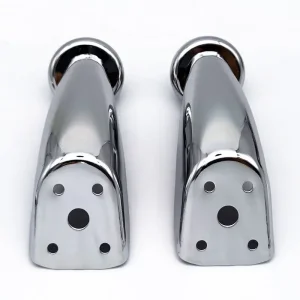
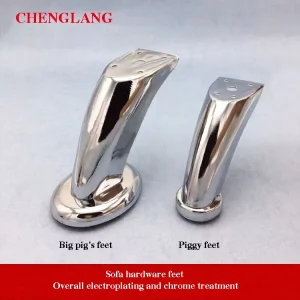
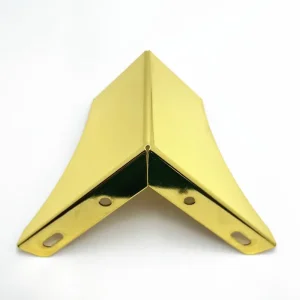
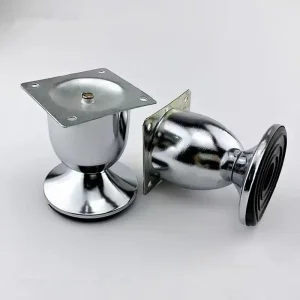
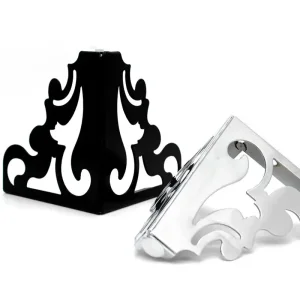
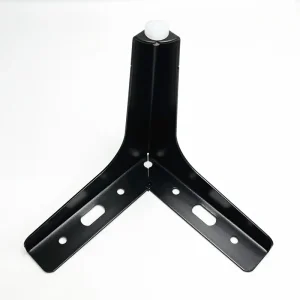
From a materials engineering perspective, the choice of alloys and surface treatments has become a key differentiator for premium architectural hardware. Traditional metals are rapidly being replaced by high-strength, low-density materials like extruded aluminum (alloy 6063-T5) and high-pressure die-cast zinc-aluminum alloys. These substrates undergo advanced electroplating processes, such as multi-layer acid copper-nickel-chrome plating, to withstand severe environmental stresses. As global urban density increases, furniture systems must also adapt to high-load situations. Sofa feet, bed legs, and cabinet supports are engineered using complex CAD stress simulations to optimize load distribution, combining structural durability with modern, minimalist visual profiles.
Demands for Quality Control, Compliance, and Supply Chain Integration
Global procurement offices and institutional furniture buyers from the Americas, the European Union, and the Asia-Pacific region are standardizing strict validation procedures for their hardware suppliers. The modern furniture hardware sourcing process is no longer determined by raw unit cost alone. Instead, procurement directors evaluate total cost of ownership (TCO) through the lens of material reliability, international quality certifications, and long-term mechanical performance. Manufacturers must provide documented evidence of performance metrics, including multi-cycle fatigue tests and high-level corrosion resistance ratings, before securing master supply agreements.
Core performance metrics in modern industrial sourcing include:
To mitigate risk in an unstable global market, international buyers also prioritize supply chain agility and transparency. Sourcing teams favor manufacturers that integrate raw material procurement, precision casting, machining, surface treatment, and packaging into a centralized ecosystem. This reduces lead times, minimizes freight handling risks, and guarantees consistent quality across large production runs.
Guangdong Xianghui (CHENGLANG) - Industrial Hardware Pioneers
Guangdong Xianghui (CHENGLANG) is an enterprise positioned for long-term development, offering a comprehensive service portfolio and maintaining sustainable competitive advantages in technology, branding, and manufacturing scale. As a leading manufacturer of premium furniture hardware, structural backboards, door alignment systems, and engineered hangers, we specialize in high-quality products that meet the diverse requirements of our global clients.
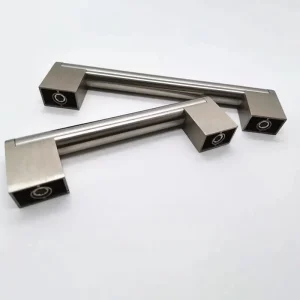
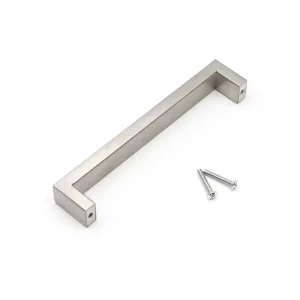
Our expansive selection of furniture hardware includes specialized accessories and functional fixtures designed to optimize the performance and aesthetics of modern cabinetry and case goods. From advanced soft-close drawer runners and durable concealed hinges to ergonomic handles and structural support legs, we produce components to rigorous standards of longevity and utility. Our engineering-focused design team ensures that each item, from simple drawer pulls to complex magnetic bouncers, delivers consistent performance under daily use.
Through our dedicated R&D division and strict quality control protocols, CHENGLANG consistently delivers components that align with global design trends. We operate modern manufacturing facilities equipped with automated tooling, precision metal stamping, and specialized testing labs to ensure that every production run meets international structural specifications.
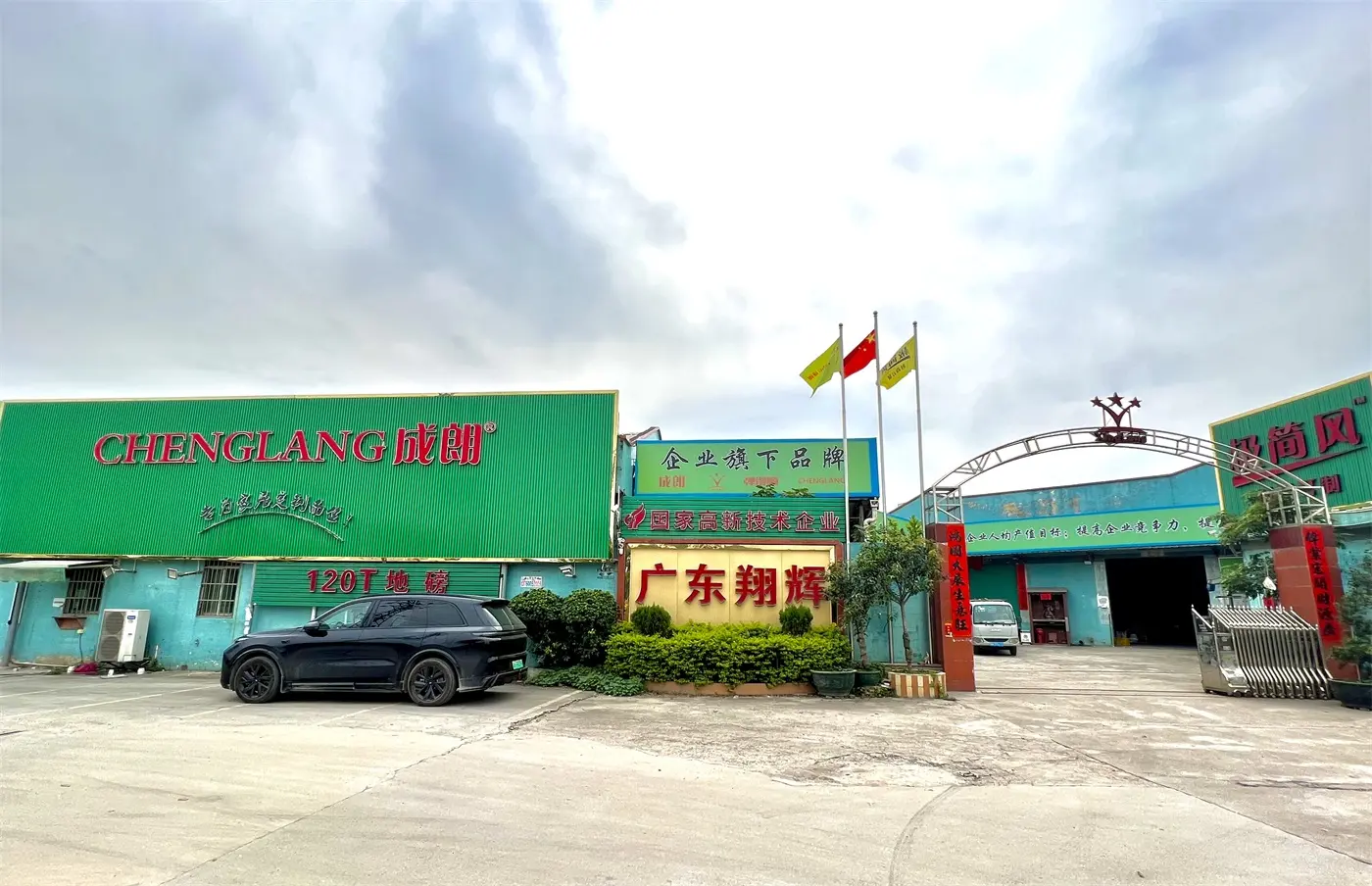
Why Global OEM/ODM Brands Trust Guangdong Xianghui (CHENGLANG)
Guangdong Xianghui integrates advanced automated production lines and innovative manufacturing workflows to produce consistent, high-tolerance components that meet demanding industrial specifications.
Our international reputation is built on global quality certifications and proven customer satisfaction. We prioritize client-specific problem solving, providing reliable product performance to new and long-term buyers alike.
Within the furniture hardware accessories industry, Guangdong Xianghui has established a reliable market presence, maintaining supply partnerships with leading global brands, including DTC, Hettich, Norma, and Quanyou.
We prioritize R&D to leverage emerging technologies, designing unique products and optimizing efficiency through flexible manufacturing organizations and controlled operational costs.
Harnessing Automation, Material Ecosystems, and Precision Quality Protocols
The manufacturing infrastructure of Guangdong, China, serves as a key hub for global furniture hardware production. Guangdong Xianghui has transitioned standard manufacturing into a Factory 4.0 automated model. This manufacturing shift incorporates computer-controlled systems, automated raw-material stamping, and robotic welding stations. These upgrades ensure high dimensional accuracy and part-to-part consistency across high-volume production runs. Our automated electroplating and surface-finishing lines utilize closed-loop parameter monitoring to maintain uniform coating thickness, optimizing corrosion resistance for every batch.
The core advantage of our China-based manufacturing model lies in the integration of the localized industrial supply chain. Guangdong's hardware cluster brings primary metal suppliers, precision tooling manufacturers, specialized electroplating facilities, and major transport networks within close geographic proximity. This concentrated ecosystem minimizes transit delays and logistics costs, allowing us to absorb market fluctuations and offer stable, competitive pricing. By combining centralized production with raw material sourcing networks, we reduce lead times and offer adaptable product customization to our global distribution partners.
To support this supply chain, our quality assurance protocols include material testing at every stage of production. From spectrographic testing of incoming zinc and aluminum alloy ingots to mechanical fatigue testing of final products, our QA steps ensure each delivery meets international performance requirements. Our logistics operations utilize direct container loading and tracking systems, ensuring safe and predictable transit for large-volume ocean freight.
Optimizing Hardware Integration Across Commercial, Hospitality, and Premium Residential Spaces
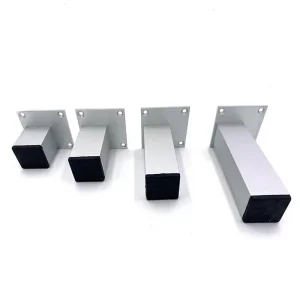
Luxury resorts and seaside hotels require hardware capable of withstanding constant exposure to humid, salt-rich atmospheres. Sourcing our thick square-tube aluminum cabinet feet and multi-layered electroplated chrome supports provides long-term resistance to oxidation, protecting the structural integrity of custom vanities and wardrobes.
Modern urban apartments rely on clean, uncluttered visual profiles. Integrating our concealed cabinet door rebounders and push-type magnetic bouncers allows developers to build handle-free, touch-to-open cabinets. These systems maintain quiet closing and clean lines in compact residential layouts.
Commercial office millwork is subject to frequent daily use and load stress. Our heavy-duty metal furniture legs and universal cabinet door straighteners ensure tall storage panels remain aligned and stable over decades of use, minimizing post-installation adjustments for commercial fit-out projects.
Featured Precision Engineering Portfolio (Showcase II)
Technical Sourcing & Installation Insights from Hardware Experts
 Xianghui