Engineered to withstand heavy load capacities, continuous cycle fatigue, and corrosive kitchen microclimates.
For modern residential and commercial architecture, kitchen cabinets and drawers are the most high-traffic, physically stressed mechanical assemblies in any space. Selecting the best kitchen cabinet and drawer hardware manufacturers requires an evaluation that goes far beyond aesthetics. It demands a rigorous examination of metallurgy, force-damping curves, cyclic fatigue lifetimes, and anti-corrosion chemical formulations.
From the load-bearing requirements of electroplated metal furniture legs to the precise tension adjustments of cabinet door panel straighteners, structural hardware acts as the mechanical foundation of modern interior systems. Without precise engineering, high-end cabinet doors warp under humidity changes, drawer slides drift, and mechanical rebound devices lose their spring tension. This technical guide outlines how elite manufacturers deploy Industry 4.0 techniques to address these structural demands.
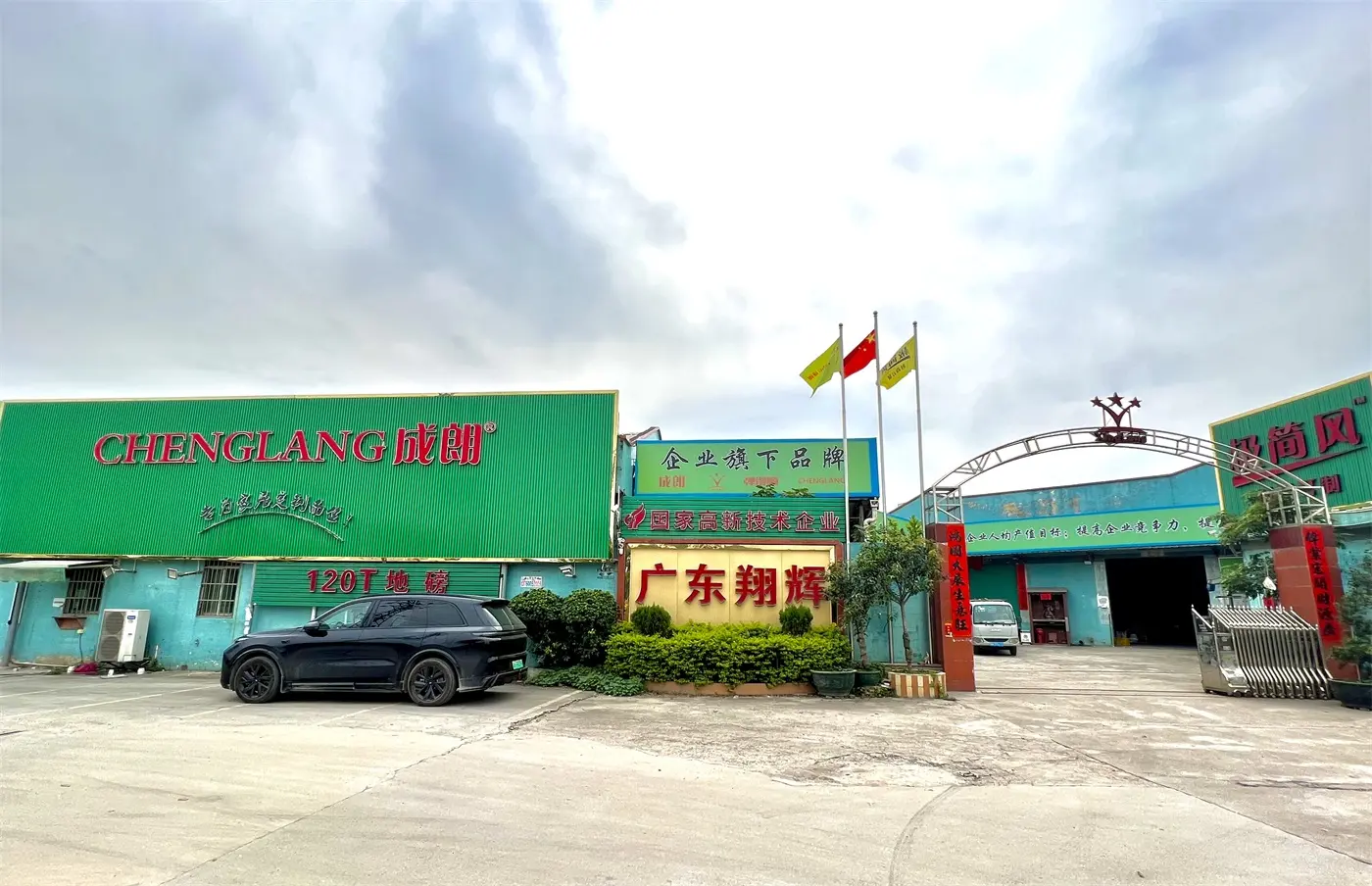
Guangdong Xianghui is a company with strong potential for long-term development, boasting a wide service range and possessing sustainable competitive advantages in technology, brand, and industry. As a leading supplier of furniture hardware, backboards, hair straighteners, and hangers, we pride ourselves on providing high-quality products that meet the diverse needs of our customers.
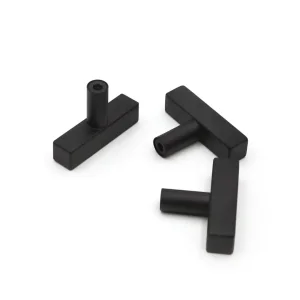
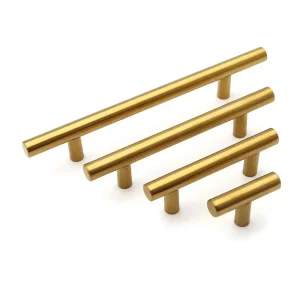
Our range of furniture hardware includes a wide selection of accessories and fixtures designed to enhance the functionality and beauty of your furniture. From drawer slides and hinges to knobs and handles, we offer solutions that meet the highest standards of durability and performance. Our commitment to quality ensures that our customers can rely on our products for lasting satisfaction.
By using automated production equipment, Guangdong Xianghui maintains precise manufacturing tolerances. This level of quality control allows us to provide structural support for heavy cabinet bases and reliable drawer operation for global commercial markets.
Our strategic manufacturing advantages are engineered to support long-term partnerships with leading furniture and cabinet brands.
In terms of technology, Guangdong Xianghui utilizes advanced automated production equipment and innovative process technology to produce higher quality products that better meet customer needs.
The brand strength of Guangdong Xianghui is derived from multiple certifications and the recognition of customers worldwide. The company prioritizes customer-centric problem-solving and wholeheartedly serves its clients, earning the satisfaction and recognition of both new and existing customers.
Within the furniture hardware accessories industry, Guangdong Xianghui has established a certain level of credibility and has maintained long-term partnerships with major brands such as DTC, Hettich, Norma, and Quanyou.
The company emphasizes its ability to innovate in the context of rapid technological advancement, focusing on how to use new technologies to create unique products or services and improve efficiency and profitability through small-scale organization and flexible cost control.
Modern Chinese hardware manufacturing has transitioned from labor-intensive manual assembly to fully automated Industry 4.0 production environments. By integrating automated die-casting, robotic polishing, and computer-controlled electroplating, modern factories produce components with highly consistent dimensions.
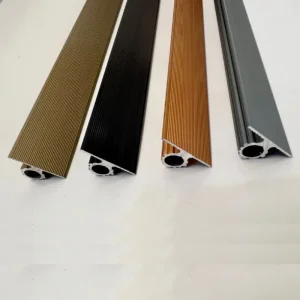
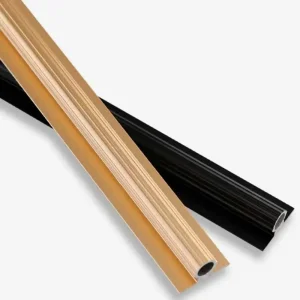
This precision is critical for products like wardrobe door panel straighteners. Even slight deviations in tensile strength can make it difficult to prevent wood panels from warping over time. Advanced manufacturers use custom aluminum extrusion alloys to ensure these correctors maintain the necessary tension, preventing wardrobe deformation under shifting environmental conditions.
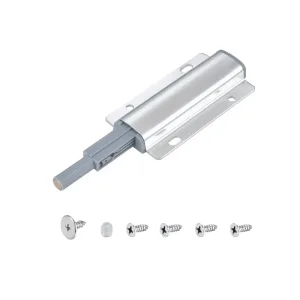
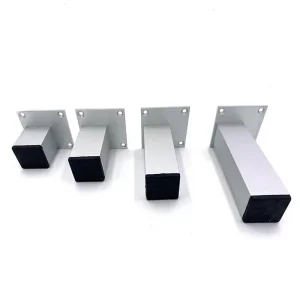
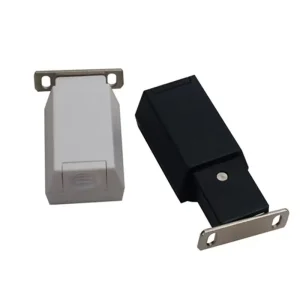
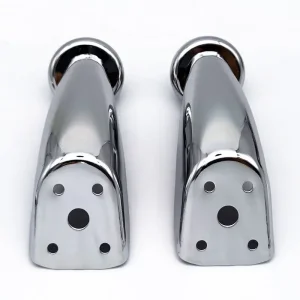
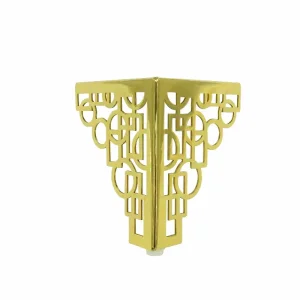
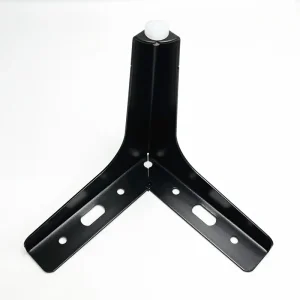
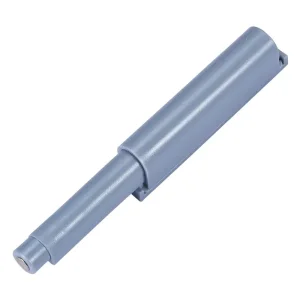
Additionally, automated zinc and aluminum alloy die-casting lines ensure structural components, such as adjustable cabinet feet and magnetic bouncers, maintain consistent thickness. This level of quality control prevents structural failures, ensuring the hardware can reliably support heavy cabinetry over its lifespan.
The cabinet hardware industry is shifting toward smart automation, minimalist designs, and high-performance finishes.
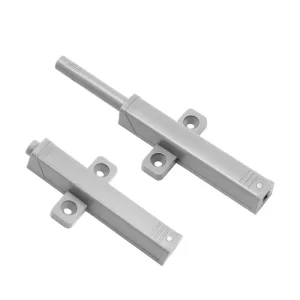
Modern kitchen designs prioritize sleek, handle-free aesthetics. This trend relies on mechanical push-to-open latching mechanisms.
Hardware finishes must resist moisture, grease, and acidic cleaning agents in kitchen environments.
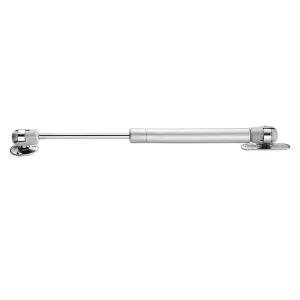
Damping technology ensures smooth movement and controlled deceleration in overhead cabinets and drawers.
A technical comparison of hardware materials based on strength, corrosion resistance, and common applications.
| Material Class | Tensile Strength | Corrosion Resistance | Primary Application | Critical Engineering Metric |
|---|---|---|---|---|
| SUS 304 Stainless Steel | 505 MPa | Excellent (High Acid/Humid) | Handles, Premium Slides, Hinges | Alloy composition: 18% Cr / 8% Ni |
| Zinc Alloy (Zamak 3/5) | 280-330 MPa | Good (Requires Electroplating) | Structural Connectors, Cast Handles | Precision tolerance down to ±0.02mm |
| Space-Grade Aluminum | 310 MPa | Excellent (Anodized Layer) | Door Panel Straighteners, Frames | High strength-to-weight ratio |
| Carbon Steel (Q235) | 370-500 MPa | Moderate (Requires Paint/Plating) | Sofa & Cabinet Support Legs | Cost-effective load capacity |
For procurement directors managing supply chains for commercial property developments or furniture brands, product consistency is critical. When sourcing hardware, buyers should focus on three key criteria:
1. Certified Testing and Traceability: Ensure the manufacturer's products comply with international standards such as EN 15570 Level 3 for hinges and ANSI/BIFMA X5.5 for drawer systems. Request material mill sheets and third-party testing reports.
2. OEM and ODM Customization Options: High-end projects often require custom specifications. Guangdong Xianghui offers options for custom length straighteners, specific pneumatic pressure ratings for gas struts, and custom finishes to meet specific project needs.
3. Packaging and Logistics Support: Hardware products are dense and heavy, requiring secure packaging to prevent damage during transit. Look for suppliers that use rust-resistant VCI packaging and palletization methods that protect components during shipping.
Detailed answers to key engineering and logistics questions from professional purchasers and developers.
Explore our selection of support legs, magnetic rebound mechanisms, and cabinet doors accessories.
 Xianghui