
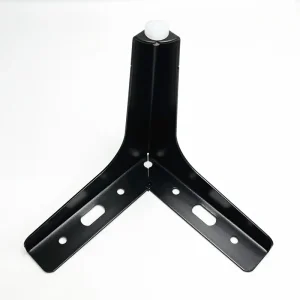
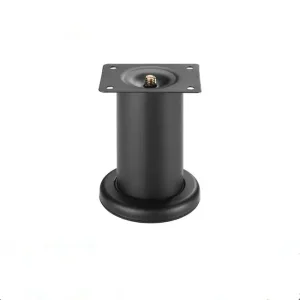
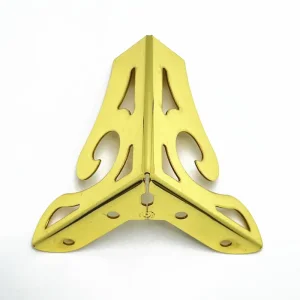

Modern kitchen cupboard door manufacturing has transcended pure aesthetics to become a convergence of advanced materials science, chemical engineering, and smart hardware integration. For global enterprise buyers—ranging from property developers to large-scale cabinet brand wholesalers—selecting the best kitchen cupboard doors manufacturers and factories requires looking far beyond standard MDF panels. Sourcing directors must analyze core substrates, edgebanding adhesion chemistry, surface UV resistance index, and precision hardware tolerances.
In the wake of shifting consumer demands for handle-free minimalist designs (e.g., push-to-open mechanics) and extreme durability, leading manufacturers must engineer products that resist humidity, physical impact, and VOC outgassing. This guide details the essential technical criteria that determine structural integrity and commercial viability in global projects.
| Substrate Material | Average Density (kg/m³) | Moisture Swelling Rate (24h) | Core Application Advantages |
|---|---|---|---|
| High-Density Fiberboard (HDF) | 800 - 900 | < 8% | Exceptional routing stability, ideal for painted shaker doors. |
| Medium-Density Fiberboard (MDF) | 700 - 800 | < 10% | Perfect flatness for PET, Acrylic, and PVC laminations. |
| Moisture-Resistant Particle Board (MR-PB) | 650 - 720 | < 12% | High screw-holding capacity, optimal for flat panel melamine doors. |
| WPC / Compact Laminate | 1000 - 1200 | < 1% | Absolute waterproof performance for high-humidity environments. |
A kitchen cupboard door's performance is heavily determined by its core layer and surface finish. When evaluating factories, sourcing agents should verify the following parameters:
Polyethylene Terephthalate (PET) coatings offer premier anti-fingerprint and self-healing thermal properties. Excellent for modern, seamless handle-free kitchens.
Polyurethane Reactive (PUR) hot-melt adhesive provides superior heat and moisture resistance compared to standard EVA, preventing delamination near ovens and sinks.
Multi-stage UV curing lines produce doors with high chemical resistance (Class 1B under DIN 68861) and color-fastness over long-term sunlight exposure.
Water infiltration is the leading cause of cabinet door failure. Standard EVA (Ethylene Vinyl Acetate) glues degrade when exposed to heat and humidity. Sourcing managers should specify PUR edgebanding or Laser Zero-Joint edgebanding. Laser edgebanding utilizes a co-extruded polymer layer activated by a laser beam, bonding the edge directly to the substrate without a visible glue line, achieving an aesthetic and physical standard essential for high-end developments.
Guangdong Xianghui is a company with strong potential for long-term development, boasting a wide service range and possessing sustainable competitive advantages in technology, brand, and industry. As a leading supplier of furniture hardware, backboards, hair straighteners and hangers, we pride ourselves on providing high-quality products that meet the diverse needs of our customers.
Our range of furniture hardware includes a wide range of accessories and fixtures designed to enhance the functionality and beauty of your furniture. From drawer slides and hinges to knobs and handles, we offer solutions that meet the highest standards of durability and performance. Our commitment to quality ensures that our customers can rely on our products for lasting satisfaction.
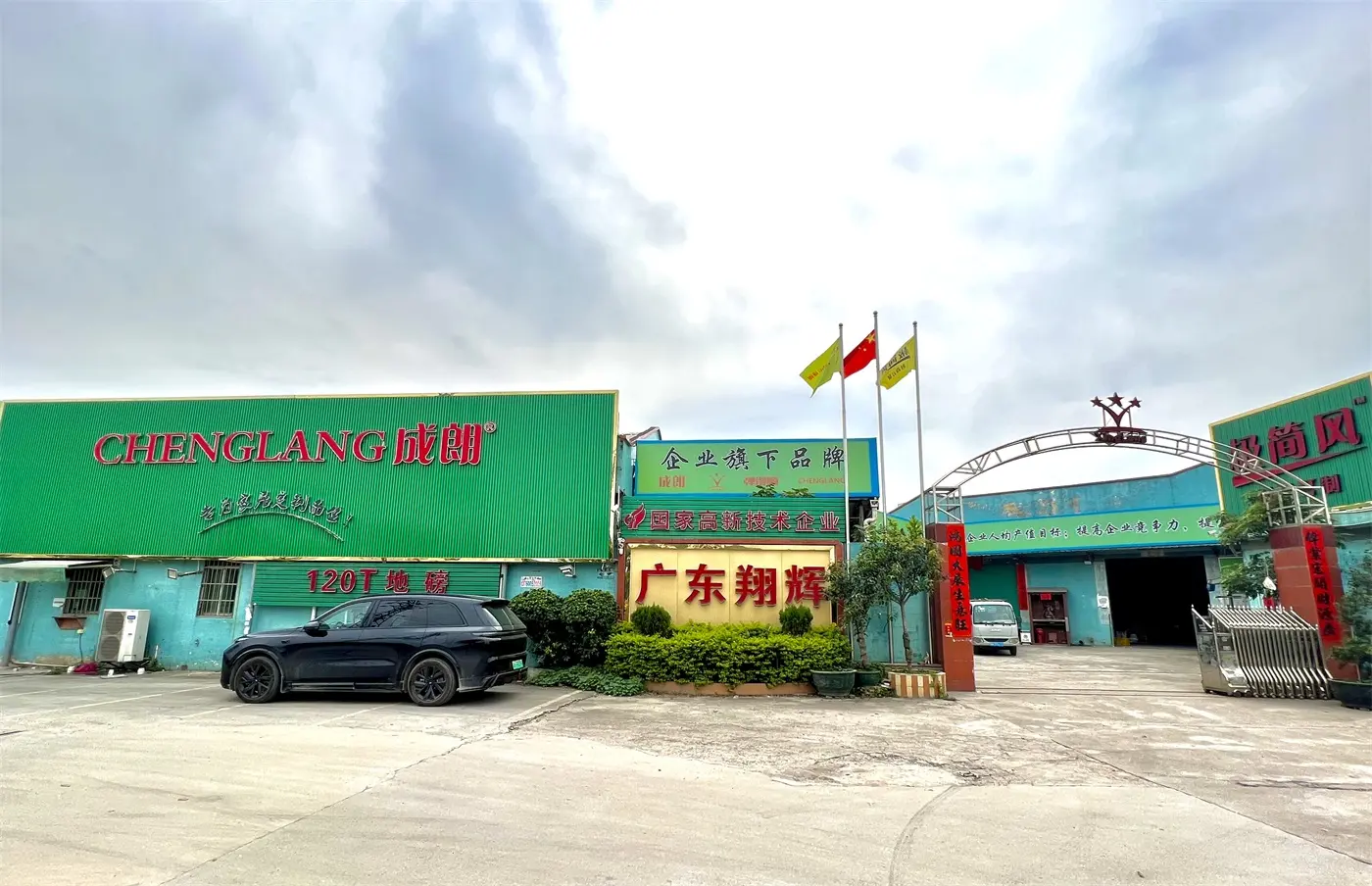
In terms of technology, Guangdong Xianghui utilizes advanced automated production equipment and innovative process technology to produce higher quality products that better meet customer needs.
The brand strength of Guangdong Xianghui is derived from multiple certifications and the recognition of customers worldwide. The company prioritizes customer-centric problem-solving and wholeheartedly serves its clients, earning the satisfaction and recognition of both new and existing customers.
Within the furniture hardware accessories industry, Guangdong Xianghui has established a certain level of credibility and has maintained long-term partnerships with major brands such as DTC, Hettich, Norma, and Quanyou.
The company emphasizes its ability to innovate in the context of rapid technological advancement, focusing on how to use new technologies to create unique products or services and improve efficiency and profitability through small-scale organization and flexible cost control.
The cabinet manufacturing landscape is moving rapidly toward intelligent and circular systems. As part of our technology roadmap, three primary trends are shaping the future of kitchen cupboard door manufacturing:
At Guangdong Xianghui (CHENGLANG), we are actively aligning our manufacturing lines with these advancements, ensuring that our clients receive hardware and cabinet components prepared for the smart homes of tomorrow.
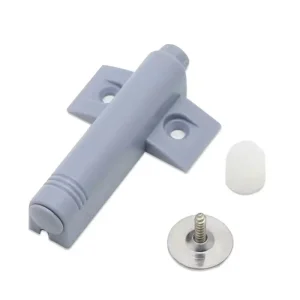
Global real estate developers, commercial builders, and cabinet brands face distinct challenges when sourcing kitchen cupboard doors. A single construction project requires matching thousands of doors with hardware components like soft-close hinges, heavy-duty support feet, and modern handle-free rebounders. Standard retail models cannot support this level of operational complexity.
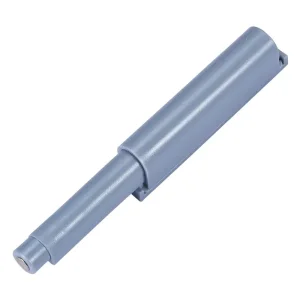
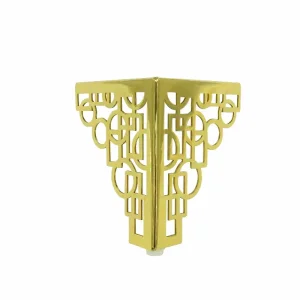
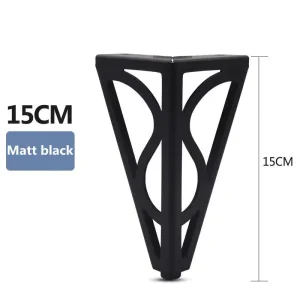
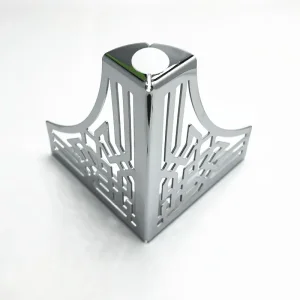
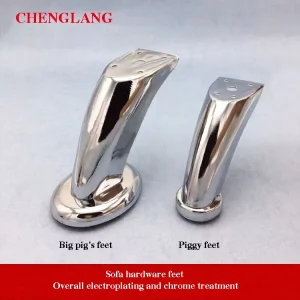
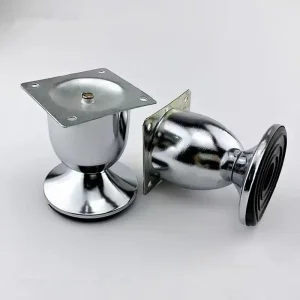
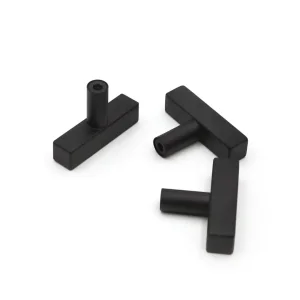
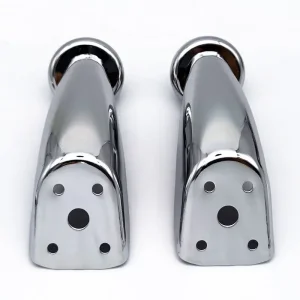
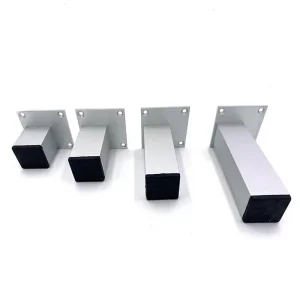
Guangdong Xianghui offers comprehensive industry solutions by integrating hardware manufacturing and panel matching under one supply chain management protocol. This reduces coordination costs between disparate component manufacturers and eliminates matching errors on-site. By consolidating cabinet legs, handles, magnetic door rebounders, and cupboard door materials, buyers achieve a streamlined logistics workflow, leading to shorter lead times and improved quality control.
The manufacturing cluster in Guangdong represents the pinnacle of globally optimized cabinet and hardware production. "Industry 4.0" is not just a buzzword; it refers to automated nesting CNC machinery, automated sanding and painting lines, and real-time inventory systems. This technology ensures that sizing tolerances are held to less than 0.2mm, which is critical for minimal gap tolerances in modern handle-free linear kitchens.
Supply chain resilience relies on this clustering effect. Raw boards, decorative papers, PUR glues, and premium metal accessories (such as iron sofa legs, cabinet supports, and magnetic rebounders) are sourced within a 50km radius. This high density of industrial suppliers protects global buyers from sudden supply shocks and allows factories to scale production rapidly to meet seasonal demands.
Sourcing from China requires navigating international regulatory landscapes. Leading exporters must maintain strict quality certifications to enter North American and European markets:
Furthermore, localized packaging and clear custom declarations are optimized to prevent container damage and minimize customs clearance delays at global ports.
Before issuing a purchase order to any kitchen cupboard door factory, procurement directors should run through this quick evaluation check:
Request 24-hour water swelling test results and verify the density parameters match the requirements of the final installation environment.
Ensure the factory uses hot-melt PUR edgebanding or Laser zero-joint bonding. Inspect the seam line for structural gaps under magnification.
Verify that CNC machinery can pre-drill all hinge cup holes and handle placement holes based on CAD design files before shipping, minimizing installation labor costs.
 Xianghui