An in-depth white paper analysis on the macro-market developments, functional components, and material innovations within the international cabinetry ecosystem.
The contemporary global residential and commercial kitchen markets are experiencing a profound structural shift. Urbanization, spatial minimization, and the rapid rise of modular construction technologies demand cabinetry that is not merely aesthetic but dynamically responsive. Developers, architects, and high-volume kitchen manufacturers are transitioning toward handleless systems, flush architectural lines, and high-durability support structures. High-end kitchens now integrate natural quartz, sintered stone, and premium hardwoods that increase overall weight tolerances. Consequently, the load-bearing engineering of lower cabinets, leveling legs, and structural anti-deformation components has become the critical factor in preventing costly structural failures in residential developments.
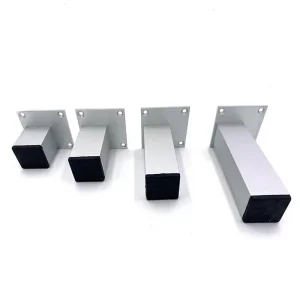
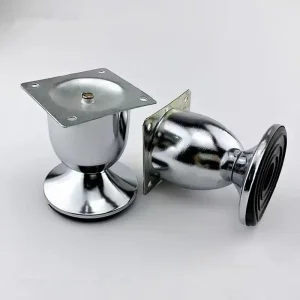
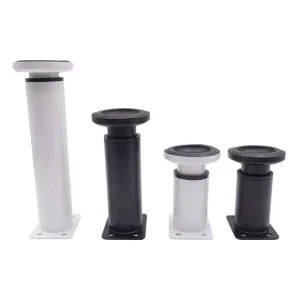
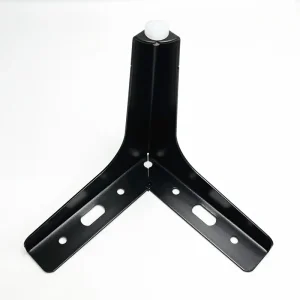
Modern sintered stone and thick quartz countertops require high-capacity, heavy-duty adjustable support feet to ensure dynamic weight balance and structural longevity.
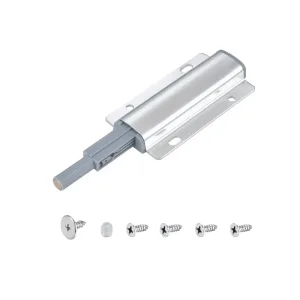
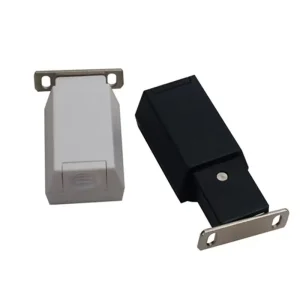
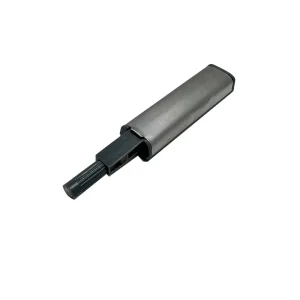
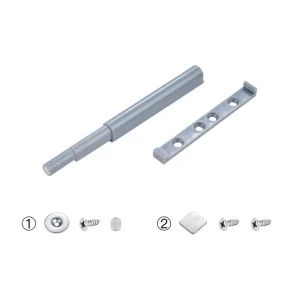
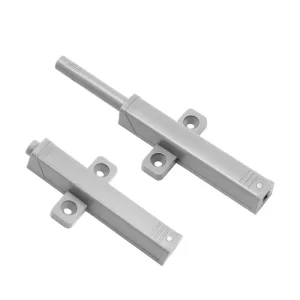
Modern architectural layouts rely on pneumatic, mechanical, and magnetic push-to-open latch systems that eliminate visible hardware completely.
Global multi-family real estate projects demand hardware components verified for over 50,000 opening cycles under structural loading.
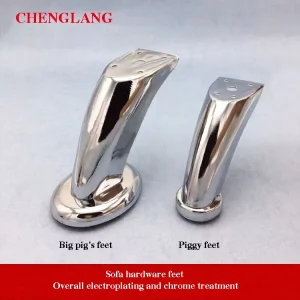
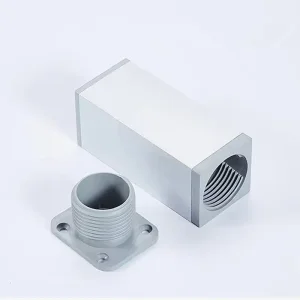
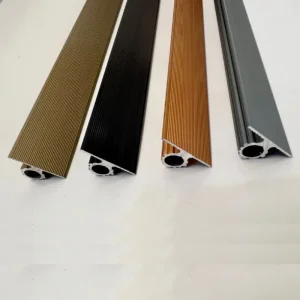
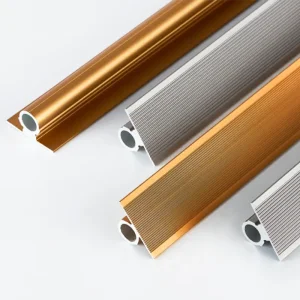
Cabinet configurations must adapt to regional environments. In tropical, highly humid coastal areas (e.g., Southeast Asia, Central America), untreated iron or low-grade steel cabinet components decay within months. In these environments, engineering specifications require the use of anodized aluminum alloy cabinet legs or specialized electroplated stainless steel, ensuring zero rust and structural failure. Conversely, in cold regions with significant seasonal heating transitions, timber panels warp due to fluctuating relative humidity. To prevent panel warping, commercial cabinetry builders rely on integrated, tension-adjustable aluminum alloy door straighteners. These units allow users to adjust and maintain flat, precise alignments on tall cabinet doors over a lifetime of service.
| Environmental Scenario | Common Failure Point | Engineering Specification | Optimized Hardware Solution |
|---|---|---|---|
| High Humidity/Coastal Zone | Corrosive degradation & leg collapse | ISO 9227 Salt Spray Tested (48h+) | Adjustable Thickened Aluminum Alloy Support Feet |
| Seasonal Arid/Heated Zone | MDF/Particleboard door bowing | Active dynamic tension correction | Flush-mounted Anodized Door Panel Straightener |
| High-Traffic Commercial Pantry | Hinge fatigue & handle loosening | Handleless pneumatic magnetic latching | Heavy-Duty Push-Type Invisible Rebounder |
Guangdong Xianghui is a company with strong potential for long-term development, boasting a wide service range and possessing sustainable competitive advantages in technology, brand, and industry. As a leading supplier of furniture hardware, backboards, hair straighteners, and hangers, we pride ourselves on providing high-quality products that meet the diverse needs of our customers.
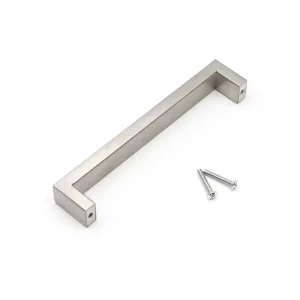
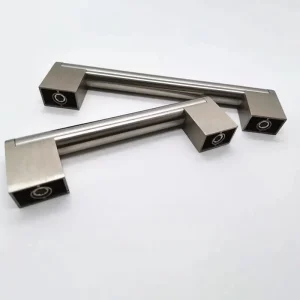
Our range of furniture hardware includes a wide range of accessories and fixtures designed to enhance the functionality and beauty of your furniture. From drawer slides and hinges to knobs and handles, we offer solutions that meet the highest standards of durability and performance. Our commitment to quality ensures that our customers can rely on our products for lasting satisfaction.
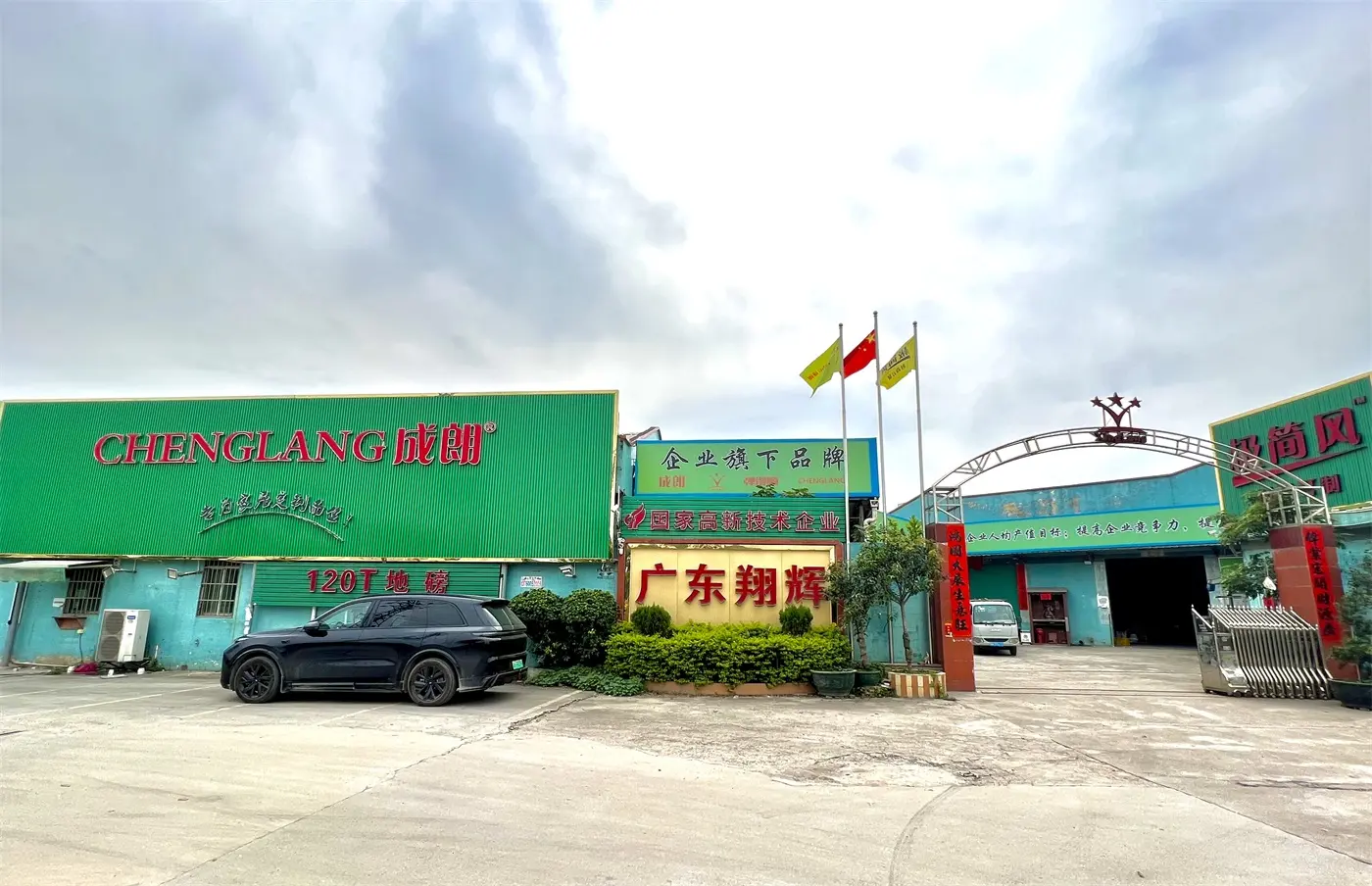
The global dominance of Chinese furniture hardware manufacturing is anchored in localized supply chain integration. The Shunde and Gaoyao districts in Guangdong serve as the epicenter of this industrial capacity. By concentrating metallurgical raw material suppliers, precision molding workshops, automated zinc/aluminum die-casting facilities, and electroplating installations within a small geographic area, Guangdong Xianghui delivers unparalleled efficiency. What takes weeks for overseas manufacturers to prototype and produce is executed here in days. This lean manufacturing model minimizes raw material transportation costs and maximizes process coordination, allowing us to implement real-time design modifications at high volume.
Furthermore, automated manufacturing line integration represents the core differentiator of modern Chinese production. Traditional hand-assembled magnetic latch devices and furniture legs suffer from high variance in quality. Today, our automated assembly and pneumatic testing lines ensure every magnetic rebounder possesses identical spring tension and magnetic holding force. For high-volume global buyers, this means low variance, predictable delivery schedules, and minimized return rates.
QA Pass Rate
Lifespan Cycles
Salt Spray Resistance
Global Brand Partners
B2B hardware procurement involves long lead times, variable shipping conditions, and shifting customs regulations. Wholesalers and distributors require partners who can manage production risks while offering customizable design services (OEM/ODM). To manage these risks, we employ three key QA systems:
First, we conduct strict load-cell testing on structural furniture legs, verifying the limits of adjustable threaded connections under high vertical stress. Second, we verify our aluminum and steel door straighteners against cyclic thermal deformation, ensuring they remain effective through extreme climate changes. Finally, we pack all products using vibration-dampening materials to prevent scuffs and chrome flaking during maritime shipping, ensuring they arrive ready for assembly.
 Xianghui