Explore our premium selection of integrated cabinet rebound mechanisms, engineering-grade wardrobe straighteners, and heavy-duty structural support assemblies.
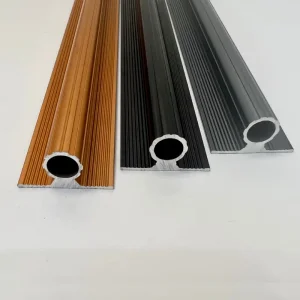
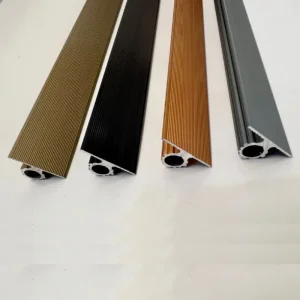
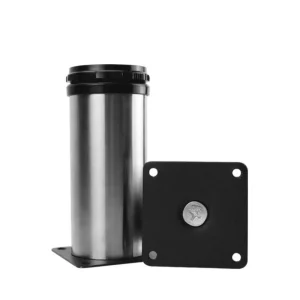
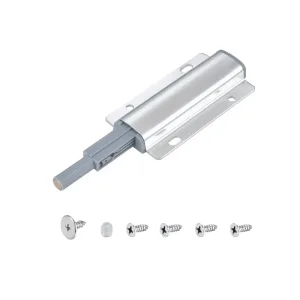
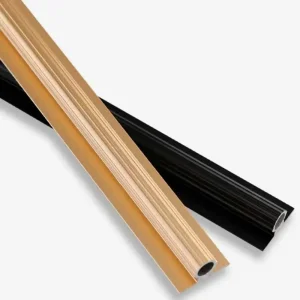
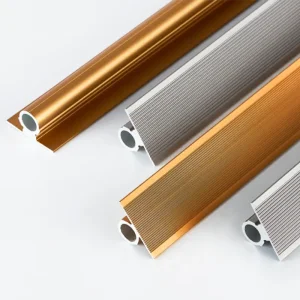
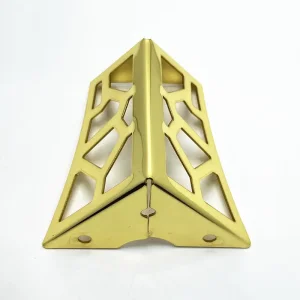
The modern architectural landscape is undergoing a silent revolution. The shift toward minimalist interior design, characterized by handleless facades, integrated millwork, and clean spatial geometry, has placed the spotlight on hidden functional hardware. Chief among these mechanical enablers is the cabinet rebound device (often referred to as a push-to-open latch, mechanical cabinet ejector, or magnetic spring-loaded touch latch).
Once considered niche luxury components, rebound devices are now vital elements in residential kitchen engineering, medical facility storage, yacht cabinetry, and high-frequency retail display infrastructure. The global market size for high-end furniture fittings, which includes advanced kinetic rebound assemblies, is projected to cross several billion USD by 2028. This growth is driven by the mass adoption of high-precision manufacturing processes and the demand for zero-clearance, touch-activated environments.
Our research and engineering initiatives focus on minimizing friction losses within spring assemblies, improving the magnetic capture velocity of rebounders, and providing structural integrity to doors with complementary anti-warp straighteners.

A trusted manufacturing leader in high-performance furniture hardware, structural backboards, panel straighteners, and silent rebound solutions.
Guangdong Xianghui is a company with strong potential for long-term development, boasting a wide service range and possessing sustainable competitive advantages in technology, brand, and industry. As a leading supplier of furniture hardware, backboards, hair straighteners and hangers, we pride ourselves on providing high-quality products that meet the diverse needs of our customers.
Our range of furniture hardware includes a wide range of accessories and fixtures designed to enhance the functionality and beauty of your furniture. From drawer slides and hinges to knobs and handles, we offer solutions that meet the highest standards of durability and performance. Our commitment to quality ensures that our customers can rely on our products for lasting satisfaction.
In terms of technology, Guangdong Xianghui utilizes advanced automated production equipment and innovative process technology to produce higher quality products that better meet customer needs.
The brand strength of Guangdong Xianghui is derived from multiple certifications and the recognition of customers worldwide. The company prioritizes customer-centric problem-solving and wholeheartedly serves its clients, earning the satisfaction and recognition of both new and existing customers.
Within the furniture hardware accessories industry, Guangdong Xianghui has established a certain level of credibility and has maintained long-term partnerships with major brands such as DTC, Hettich, Norma, and Quanyou.
The company emphasizes its ability to innovate in the context of rapid technological advancement, focusing on how to use new technologies to create unique products or services and improve efficiency and profitability through small-scale organization and flexible cost control.
Understanding the mechanical properties, material composition, and kinematic design of next-generation push-to-open and anti-deformation components.
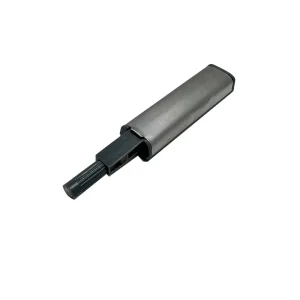
At the heart of the rebounder is a calibrated high-carbon steel spring mechanism housed inside a thermoplastic Polyoxymethylene (POM) casing. The POM material provides self-lubrication, ensuring smooth, linear slide motion over hundreds of thousands of cycles.
We optimize the kinetic energy discharge curve. Standard cabinets require an ejection force ranging from 15N to 35N depending on panel weight. If the force is too high, the door rebounds violently, leading to hardware fatigue; if too low, it fails to clear the cabinet frame. Our advanced dampers and self-ejecting magnetic tips strike the perfect balance.
Our magnetic rebound devices feature Neodymium (NdFeB) magnet configurations. The magnetic capture flux is engineered to hold large door panels flat against cabinet structures, resisting structural warps while remaining easy to release with a light touch (approx. 2.5kg of pressure).
By integrating adjustable magnetic cores, installers can correct door gap variances up to 6mm dynamically by rotating the rebound head.
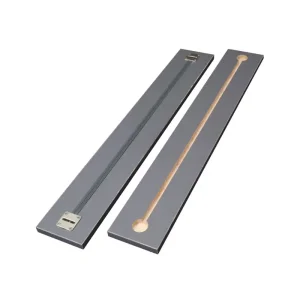
Modern floor-to-ceiling wardrobe doors (2.4 meters and taller) are prone to climatic warping due to temperature gradients between the exterior and interior of the cabinet. Standard push-to-open systems fail when a door is warped because the rebounder can no longer align with its strike plate. Incorporating a minimalist carbon steel door straightener maintains flat panel alignment, allowing the rebound device to operate with absolute precision.
How architectural hardware configurations adapt to structural demands across varying residential, commercial, and environmental conditions.
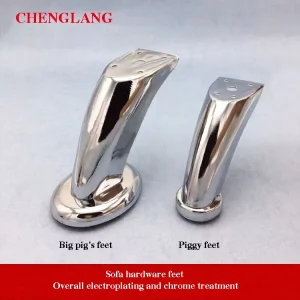
High-humidity zones demand corrosion-resistant components. Our electroplated chrome bathroom feet and anodized aluminum spring rebounders resist moisture oxidation. The magnetic catch provides airtight sealing to keep moisture out of stored food items and dry linens.
Luxury retail displays require concealed hinges and zero external handles. Using recessed, heavy-duty push rebounders allows designers to build flush glass-to-wood partitions that open smoothly, maintaining a clean visual flow for customers.
In heavy-use office environments, durability is key. Our mechanical push-type ejectors are cycles-tested under 80kg load vectors, ensuring that deep filing drawers eject reliably even when loaded to maximum storage limits.
As smart home ecosystems evolve, hardware components are transitioning from purely mechanical parts to smart home integrations. We are researching electromechanical rebound systems that interface with voice-controlled smart home software and motion sensors.
Imagine a kitchen where a simple tap with an elbow opens your waste bin drawer, or a voice command pre-opens cabinets while your hands are full. Our R&D pipeline is focused on micro-motor integration and carbon-fiber panel straighteners to reduce weight while increasing stiffness.
Our hardware components undergo strict QA protocols before distribution:
| Test Standard | Metric | Status |
|---|---|---|
| DIN EN 15570 | 80,000 cycles | Passed |
| ASTM B117 | Salt spray 48h | Passed |
| ISO 9001:2015 | Factory QA | Certified |
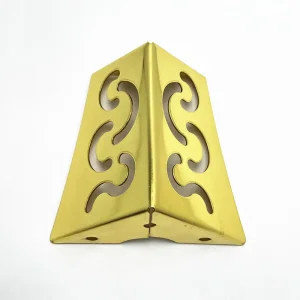
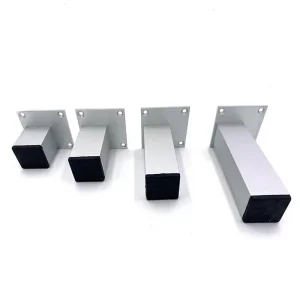
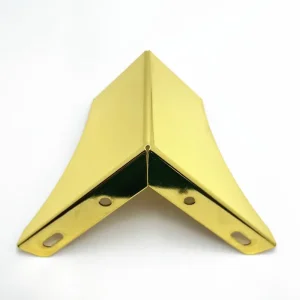
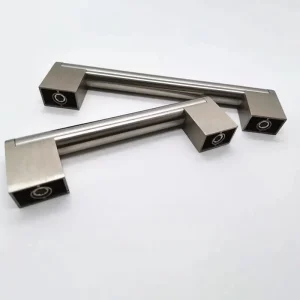
Explore our complete catalog of support legs, magnetic ejectors, and anti-warp tension components designed for modern spaces.
Get technical answers about cabinet design, dynamic hardware selection, and structural troubleshooting.
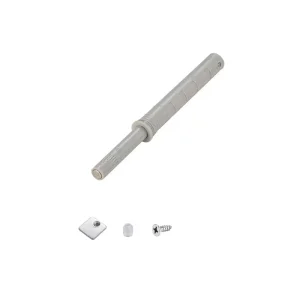
A cabinet rebound device uses a compressed coil spring held by a heart-shaped groove locking pin mechanism. When pressure is applied to the drawer facade, the pin releases from the groove, allowing the spring to expand and push the door outward. The magnetic tip secures the door when closed.
Tall wood panels are sensitive to changes in humidity and temperature, causing them to warp over time. A tensioned panel straightener, routed vertically into the door back, counteracts this bending force. Installers adjust the straightener's tension rod to pull the door flat, ensuring it seals properly.
Magnetic models feature a small metal plate on the door that bonds with the rebounder tip, keeping the door firmly shut. Non-magnetic models rely on the door's hinge spring to stay closed. They simply push the door forward when pressed.
Standard soft-close hinges work against the push-to-open function. For optimal performance, pair rebounders with un-sprung free-swing hinges or hinges specifically designed with reverse-spring mechanisms for touch opening.
Yes. Most of our high-quality rebound devices feature a threaded adjustment tip. Rotating the core tip clockwise or counter-clockwise adjusts the reach up to 6mm, letting you dial in clean, uniform gaps without removing the hardware.
 Xianghui