Engineered Components & Heavy-Duty Structural Support

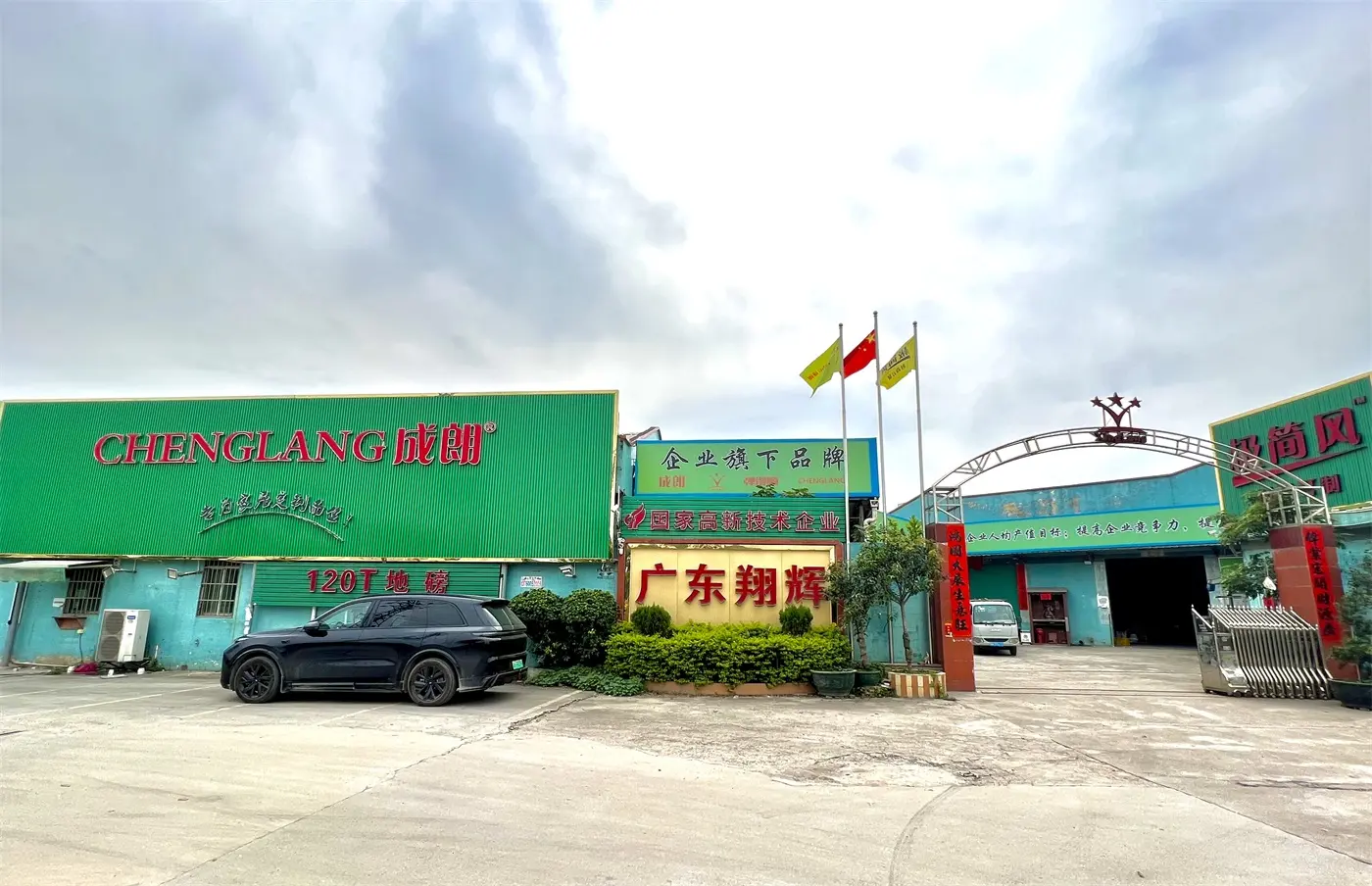
Guangdong Xianghui (CHENGLANG)
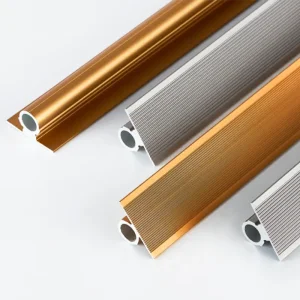
Guangdong Xianghui is a enterprise with strong potential for long-term development, boasting a wide service range and possessing sustainable competitive advantages in technology, brand, and industry. As a leading supplier of furniture hardware, backboards, hair straighteners, door straighteners, and cabinet support systems, we pride ourselves on providing high-quality solutions that meet the diverse needs of our clients globally.
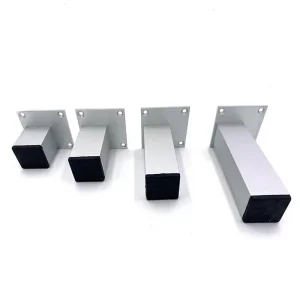
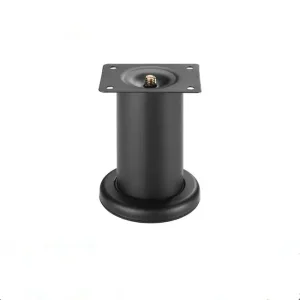
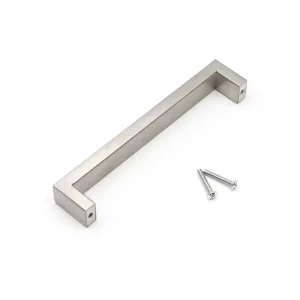
Our range of furniture hardware includes a wide range of accessories and fixtures designed to enhance both the structural integrity and aesthetic appeal of modern furniture. From drawer slides and high-durability hinges to custom knobs, handles, and adjustable table feet, we provide engineering solutions that satisfy strict international criteria. Our commitment to rigorous quality control ensures that our clients receive durable, reliable, and high-performance hardware built for heavy-duty commercial and residential environments.
Engineered for Reliability, Quality, and Sustainability
Utilizing advanced automated production equipment and innovative process technologies to produce higher-quality components that meet the exact dimensional tolerances of global customers.
Our global reputation is backed by international certifications and extensive customer recognition. We provide customer-centric, reliable manufacturing and dedicated support to clients worldwide.
We maintain reliable partnerships with leading global brands such as DTC, Hettich, Norma, and Quanyou, building trust through years of high-performance product delivery.
Emphasizing fast-paced research & development, we integrate new technologies into our processes to optimize performance, control costs, and adapt to custom specifications.
Technical Insights into Structural Stability, Materials & Supply Chain Dynamics
Modern commercial and residential architectural designs demand high-performance furniture components. The load-bearing capacity of a table or cabinet relies heavily on its support foundation—specifically the engineered metal legs or feet. Standard configurations require these components to withstand both static compression forces and dynamic lateral stresses without bending or buckling.
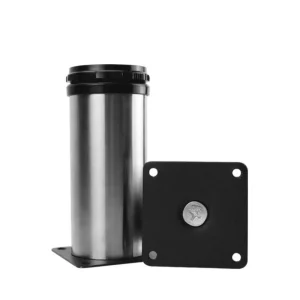
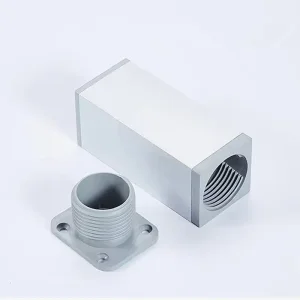
When selecting table feet, premium manufacturers prioritize materials with high tensile strength, such as extruded aluminum alloys and grade 304/316 stainless steel. These alloys offer superior resistance to deformation under load. For instance, square aluminum alloy cabinet feet with reinforced internal structural ribbing provide high rigidity while keeping overall weight low. This ratio is critical for high-end cabinetry, where minimizing unnecessary load on joints and backing panels prevents sagging and misalignment over time.
China's furniture hardware manufacturing sector benefits from robust industrial clustering, particularly in regions like Guangdong. This ecosystem offers distinct competitive advantages for global B2B buyers:
Choosing the correct material for support legs depends on the installation environment. The comparison table below highlights the performance variations across commonly utilized hardware materials:
| Material | Corrosion Resistance | Load Capacity | Optimal Applications | Common Surface Finishes |
|---|---|---|---|---|
| Grade 304 Stainless Steel | Excellent | Very High | Kitchen Cabinets, Cleanrooms, Laboratories, Outdoor Furniture | Brushed Satin, Mirror Polished |
| Anodized Aluminum Alloy | High | Medium-High | Modern Office Desks, Custom Shelving, Media Consoles | Anodized Matte, Sandblasted Black |
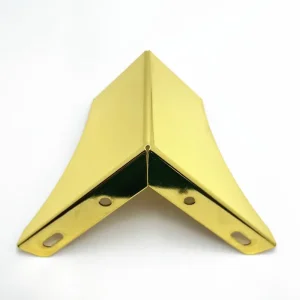
| Electroplated Iron / Carbon Steel | Moderate | High | Sofa Support Feet, Accent Tables, Residential Furniture | Bright Chrome, Gold Electroplating |
| Die-Cast Zinc Alloy | Moderate-High | Medium | Lightweight Decorative Feet, Modular Hardware Components | Powder Coated, Satin Nickel |
The global furniture hardware market is shifting toward integration, modularity, and durability. Three major trends shape this landscape:
For B2B procurement managers, sourcing furniture hardware requires auditing manufacturer capabilities beyond product catalogs. Key evaluation criteria include ISO 9001 quality compliance, salt-spray testing duration for plating quality (with 24 to 48 hours being standard for humid environments), and load testing verification certificates. Partnering with verified manufacturers like Guangdong Xianghui ensures your hardware meets strict durability benchmarks, helping reduce product returns and structural failures in the field.
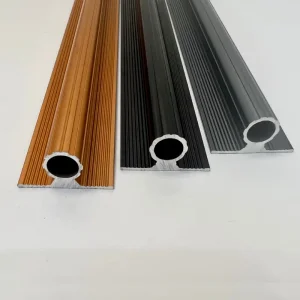
High-End Modular Legs, Straighteners & Functional Cabinet Accents
Technical Clarifications on Installation, Materials & Operations
 Xianghui