Direct-from-factory components designed for heavy-duty applications, high aesthetic appeal, and mechanical precision.


The global furniture and architectural millwork sector is undergoing a rapid transition. Driven by structural shifts in modern interior design—particularly the dominance of floor-to-ceiling doors, handleless minimalist cabinets, and premium metal alloy accents—manufacturers require a new grade of mechanical componentry. Traditional hardware no longer meets the structural tolerances or aesthetic lifespans expected by high-end consumers.
As a leading Chinese supplier and manufacturing partner, Guangdong Xianghui (operating the Chenglang Fittings brand) publishes this whitepaper to outline critical mechanical vectors, material sciences, and supply chain logistics required to optimize B2B procurement in the 2025–2030 design cycles.
Large-format cabinetry, particularly wooden wardrobe doors exceeding 2.4 meters, is structurally prone to warping. Fluctuations in relative humidity (RH) and ambient temperatures create differential moisture absorption between the interior and exterior faces of door substrates. This leads to bowing, binding, and eventual failure of soft-close hinges. The incorporation of carbon steel and aluminum-core door panel straighteners is no longer an optional accessory; it is an engineering mandate to distribute axial loads and maintain planar alignment.
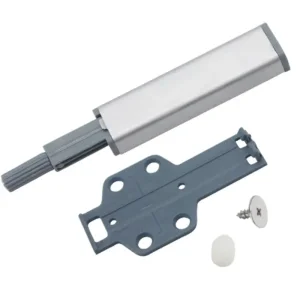
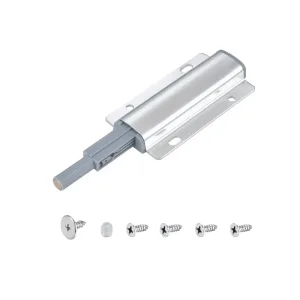
Similarly, the push for handleless interfaces has elevated the mechanical requirements of rebounders and press-to-open latch devices. These systems must balance micro-friction coefficients, high-force magnetic retention, and heavy spring actuation while remaining completely invisible within the cabinet carcass.
Delivering verifiable technical performance and seamless supply chain integration to global furniture manufacturers.
Premium B2B procurement mandates strict verification of mechanical and chemical properties. Guangdong Xianghui's hardware lines are fabricated utilizing selected alloys and advanced surface engineering to ensure physical integrity in harsh conditions (high humidity environments like bathrooms, coastal regions, and kitchens).
Using low-grade recycled iron or unrefined zinc alloys results in high trace lead and iron impurities, speeding up intergranular corrosion. Over time, this weakens structural components and causes handles, legs, or latches to snap under normal loads.
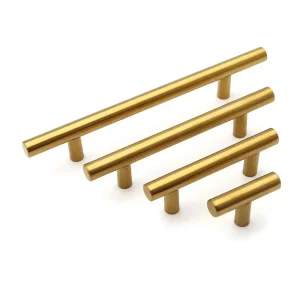
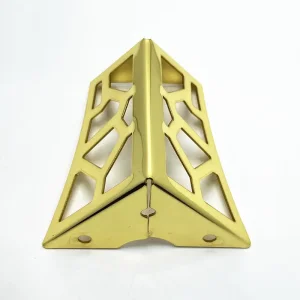
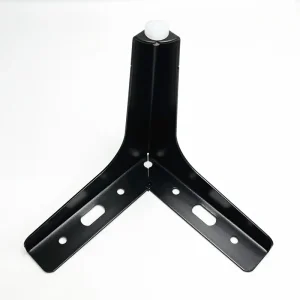
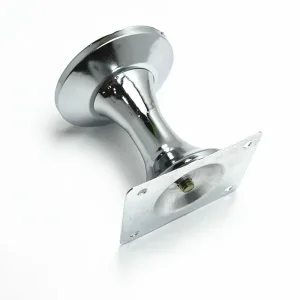
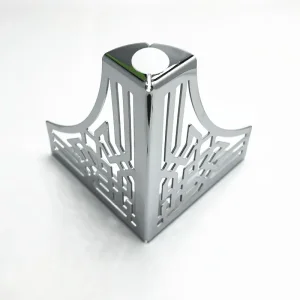
For components like our Iron Small Flower Feet and Modern Luxury Minimalist Stainless Steel Handles, we utilize multi-layered electroplating finishes. Each batch undergoes a strict verification sequence:
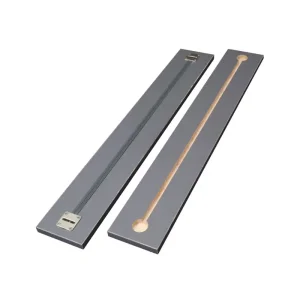
Floor-to-ceiling doors (often measuring 2.7m to 3m in modern Italian custom designs) require internal structural reinforcement. A door straightener functions as a dynamic tension rod system. By routing a slot into the reverse side of the door board, our carbon steel straightener is inset and secured with stabilizing cup assemblies.
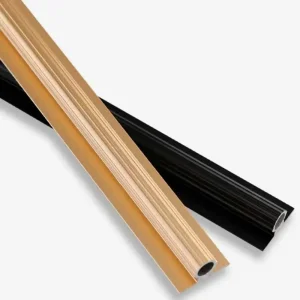
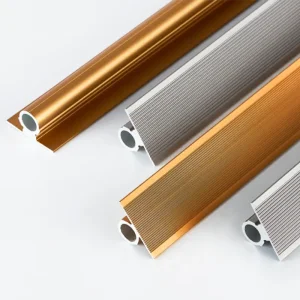
When the wooden door panel begins to bow due to environmental shifts, a technician can adjust the tension rod via a hex socket mechanism in the center or base. This transfers the warping stress from the wood to the high-tensile carbon steel rod, instantly pulling the door panel back to true plumb. Our Italian style cabinet door straighteners feature carbon steel rods housed inside rigid extruded aluminum channels, providing structural correction and a clean, flush appearance.
A flawless handleless experience relies on modern kinetic energy management. The push-to-open device (magnetic bounce rebounder) operates on a dual-stage spring loaded piston. Upon physical compression, the catch mechanism releases the compressed main spring, projecting the plunger forward with sufficient kinetic force to push open heavy doors (up to 25kg).
Guangdong Xianghui’s metal-shelled magnetic rebounders integrate rare-earth neodymium magnets. This design prevents door bounce-back and ensures the door stays flush with the cabinet face frame when closed, even without traditional hinges with integrated catches.
As smart homes and sustainable architecture redefine global procurement requirements, Guangdong Xianghui is investing in several technological transitions to maintain competitive advantages:
By phasing out traditional hexavalent chromium chemical processes, we are transitioning to trivalent chromium and advanced electrostatic powder-coating technologies. This ensures full compliance with European RoHS and REACH environmental regulations while maintaining superior salt-spray corrosion resistance.
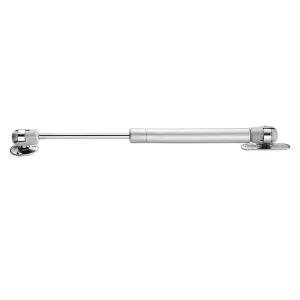
Next-generation hydraulic gas struts will feature variable fluid dynamic chambers. This technology regulates the closing speed of cabinet doors, providing a smooth, silent dampening effect that prevents slamming, regardless of force.
To support global carbon-neutral goals, we are increasing the proportion of recycled post-industrial aluminum and zinc alloys in our product lines. This transition will lower the carbon footprint of our components while preserving structural load-bearing performance.
Answers to key engineering, material, and logistical questions for global buyers, procurement heads, and OEM designers.
Durable architectural components designed to support heavy furniture and maintain smooth cabinet functionality.
 Xianghui