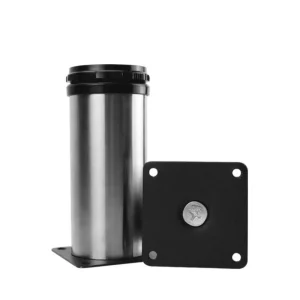
Explore our elite engineering selection designed for high-frequency rebound performance, structural stability, and minimalist furniture design integration.
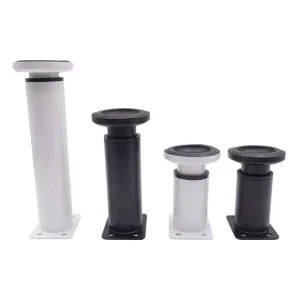
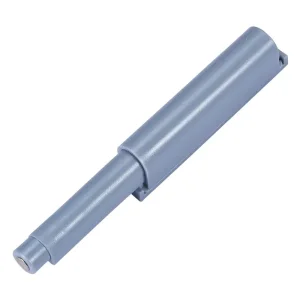
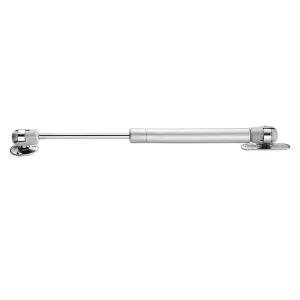
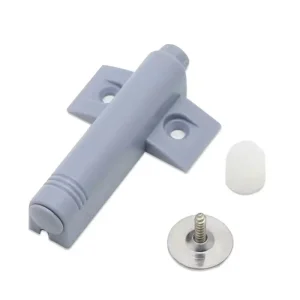
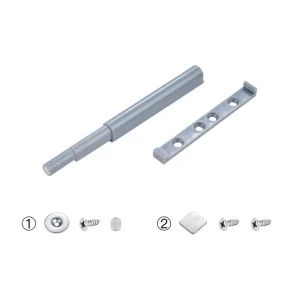
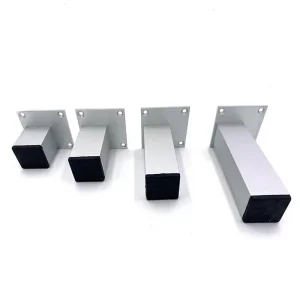
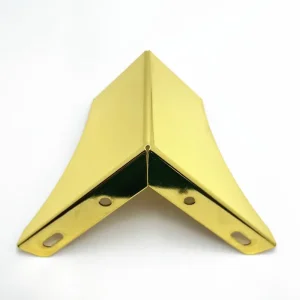
A deep dive into structural kinematics, magnetic flux optimization, and material sciences driving industrial cabinet hardware.
In modern architectural design and premium custom cabinetry, the reliance on handle-free interfaces has transformed the role of the humble door catch. Once regarded as a simple mechanical retaining device, the contemporary door catch—particularly variations integrating push-to-open kinetics and magnetic damping assemblies—is now a highly engineered component crucial to the structural integrity and kinetic tactile signature of high-end furniture. As a leading China Door Catch Manufacturer & Factory, Guangdong Xianghui designs these systems to endure rigorous physical forces while maintaining microscopic structural tolerances.
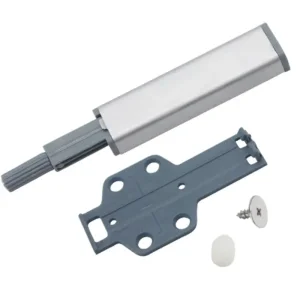
The core functionality of a high-performance rebound cabinet door bouncer or magnetic press ejector centers on mechanical load conversion. When external force is applied to a cabinet door, the internal compression spring storing kinetic potential energy is released via a trigger latch. Selecting the correct materials for these internal moving parts is essential. Utilizing premium Polyoxymethylene (POM) for pushers guarantees excellent wear resistance, elasticity, and dimensional stability, ensuring that friction coefficients remain low over a decade of continuous cycling.
Utilizing high-grade Neodymium permanent magnets (NdFeB) to establish high-retention magnetic circuits without premature decay or loss of structural cohesion.
Highly precise spring coils calibrated for linear compression force (N), providing smooth mechanical activation and satisfying kinetic response.
Aviation-grade aluminum, high-impact ABS, or stainless steel shells engineered to survive extreme cyclic stress and environmental degradation.
From a mechanical perspective, magnetic catch performance is defined by the formula governing attractive force between a magnet and a ferromagnetic keeper plate: F = (A * B²) / (2 * μ₀), where A represents the contact surface area, B is the magnetic flux density, and μ₀ is the permeability of free space. Through precise calibration of NdFeB configurations and the selection of custom soft-iron keepers, our factory constructs magnetic assemblies that maximize retention without causing audible snapping upon closure. This technical sophistication is why global furniture leaders trust our manufacturing capabilities.
Guangdong Xianghui (well-known under the brand designation CHENGLANG) is a high-potential enterprise focused on long-term technological development, global logistics resilience, and structural hardware engineering. Possessing sustainable competitive advantages across technology, brand reach, and industry-standard production, we operate as a premium supplier of furniture hardware accessories, backboards, specialized hair straighteners, and structural hangers.
Our comprehensive range of furniture hardware integrates advanced manufacturing processes designed to elevate both the longevity and aesthetics of modern cabinetry. From heavy-duty drawer slides and specialized hinges to micro-tolerance magnetic rebounders and ergonomic handles, our systems comply with global quality benchmarks. Leveraging our multi-disciplinary manufacturing footprint, we run advanced thermal-plastic and metallurgical lines that produce exceptionally robust, consumer-safe household fittings.
By blending metallurgical expertise with advanced injection molding techniques, CHENGLANG guarantees that every component—whether a delicate magnetic latch or a load-bearing adjustable sofa leg—delivers consistent performance. Our state-of-the-art test laboratory subjects each production run to destructive load testing, micro-level structural inspections, and accelerated climate tests to ensure compliance with demanding global specifications.
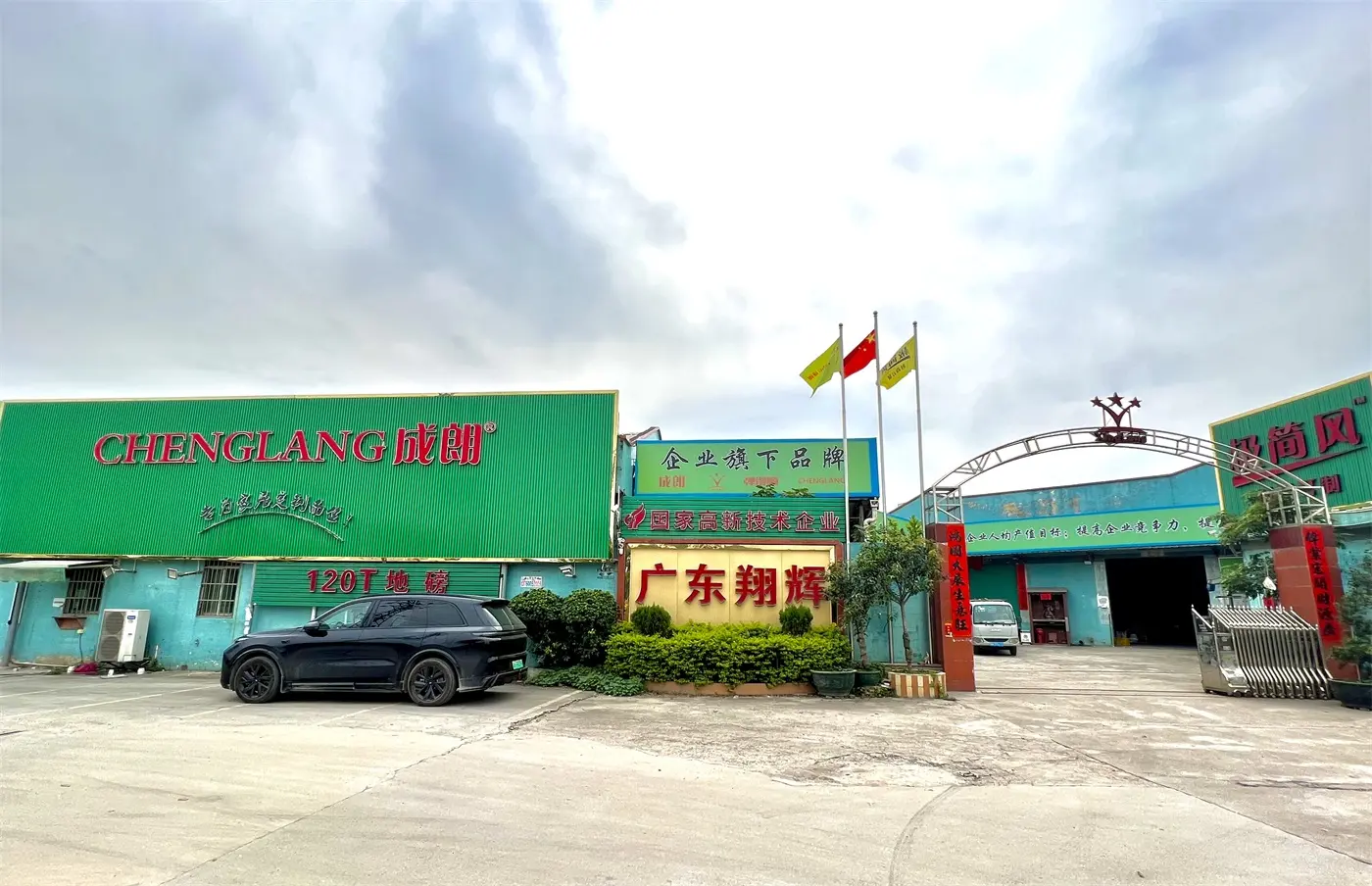
Why the world’s leading furniture brands establish strategic partnerships with Guangdong Xianghui.
Advanced Automated Production
Guangdong Xianghui utilizes advanced automated production equipment and innovative mold designs to manufacture parts with exceptional structural integrity, keeping mechanical tolerances under ±0.01mm to ensure flawless real-world operation.
Global Quality Certifications
CHENGLANG’s reputation is backed by international certifications and extensive customer recognition. By prioritizing client-focused engineering and reliable technical support, we maintain a highly satisfied global client base.
Strategic Supply Chains
Within the furniture hardware accessories industry, Guangdong Xianghui has established reliable partnerships with leading global brands such as DTC, Hettich, Norma, and Quanyou, proving our capacity to meet strict corporate benchmarks.
Agile R&D Frameworks
We emphasize continuous innovation within a rapidly changing technological landscape. By leveraging new manufacturing tech, we develop unique custom hardware, optimize production efficiency, and control operational costs.
Cyclic Lifetime Tests
Dimensional Tolerance
Rapid Prototyping
Exporting Nations
Deploying intelligent manufacturing systems to ensure stable volume production and reliable delivery timelines.
As global hardware supply chains face rising logistical and raw material challenges, Guangdong Xianghui has transitioned its manufacturing floors into Industry 4.0 Smart Production Centers. Integrating automated high-pressure injection molding machines, automated magnetic catch insertion units, and dynamic testing equipment allows us to keep our operations highly resilient.
Unlike traditional manufacturing, our automated systems execute real-time QA evaluations at every stage. For example, in the production of magnetic door bouncers, the insertion depth of the Neodymium core and the alignment of the POM pusher are verified using inline visual inspection cameras. Any variation exceeding ±0.03mm triggers an automatic mechanical adjustment, eliminating human error and ensuring that every batch meets the exact tolerances required by high-end furniture brands.
Furthermore, our integrated supply chain model reduces reliance on third-party sub-contractors. We perform alloy die-casting, plastic compounding, surface finishing, and packaging inside our unified production park. This level of vertical integration minimizes transit delays and keeps raw material pricing stable, giving our international clients a distinct competitive advantage in their local markets.
Anticipating user needs with smart, quiet, and highly sustainable hardware technologies.
The next decade of furniture engineering will prioritize invisible integration, environmental sustainability, and acoustic optimization. Our R&D department is actively developing new technologies to lead this market evolution:
By investing in these advanced engineering technologies, Guangdong Xianghui ensures that our OEM and ODM partners always have access to state-of-the-art hardware solutions that exceed standard industry expectations.
Meeting international building codes and providing dedicated engineering assistance worldwide.
High-end building projects require strict compliance with safety, environmental, and structural performance metrics. Guangdong Xianghui's hardware undergoes third-party lab testing to comply with major international certifications, including SGS, RoHS, and REACH. This compliance ensures that our products are safe for installation in residential, healthcare, and educational environments.
To support our global partners, we provide tailored engineering services for OEM/ODM accounts. Our team assists clients with:
1. Customizing spring rebound forces based on door weight and size.
2. Engineering specialized mounting brackets to fit non-standard cabinet frames.
3. Conducting thermal cycling analysis for hardware destined for extreme climates.
Through our global shipping and logistics networks, we offer flexible shipping options, localized customs handling assistance, and structured warranty support to minimize project risk and simplify procurement for your supply chain.
Technical answers to key structural questions regarding cabinet door catch design, materials, and applications.
For high-frequency use, the housing and internal pusher should be made from Polyoxymethylene (POM), also known as acetal plastic. POM is highly valued for its high tensile strength, stiffness, low coefficient of friction, and excellent dimensional stability over a wide temperature range. For heavy-duty industrial or luxury cabinet systems, using an outer shell made of anodized aluminum or stainless steel protects the internal mechanical assembly from impact and environmental wear.
Standard ferrite magnets can demagnetize over time when exposed to physical impacts or temperature swings. To prevent this, our factory uses high-quality Neodymium Iron Boron (NdFeB) magnets. NdFeB alloys maintain their magnetic flux density for decades, losing less than 1% of their magnetic strength over 10 years when operated within their specified thermal limits (typically below 80°C for standard grades).
Yes. For outdoor, coastal, or marine environments, we customize the hardware with marine-grade 316 Stainless Steel casings and internal springs, combined with sealed magnetic assemblies. These components pass ASTM B117 salt spray testing for over 240 hours, ensuring they resist rust and operate reliably under exposure to moisture and salt.
Winged cabinet door catches feature built-in side flanges that make alignment straightforward and distribute screw torque evenly across the cabinet frame, making them ideal for softer wood and particle board structures. Wingless models require a mortised pocket or precise drilling for flush mounting, providing a clean, minimalist look. We recommend wingless versions for CNC-machined cabinetry and winged versions for manual, on-site assembly.
Spring force is determined by wire diameter, coil count, and spring material. Small drawers and light cabinet doors perform best with a spring force between 12 N and 18 N to prevent excessive rebound speed. Heavy wardrobe doors require forces between 25 N and 40 N, paired with a longer stroke length, to reliably release the door latch from the magnetic keeper.
We provide a comprehensive OEM/ODM pipeline. When a brand requests custom dimensions, our engineering team uses 3D CAD modeling to design the custom parts, runs simulated stress testing, and produces a physical prototype using rapid 3D printing or soft tooling within 48 hours. Once verified, we proceed with CNC mold machining and begin mass production on our automated lines.
Premium architectural hardware components engineered for modern design, durability, and smooth mechanical action.
 Xianghui