Discover our premium range of precision-manufactured cabinet support legs, heavy-duty sofa feet, and silent rebounders engineered for modern kitchen cabinetry.
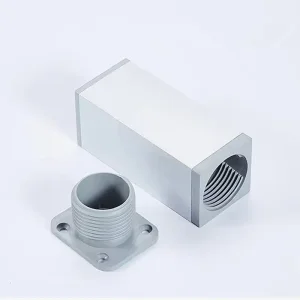
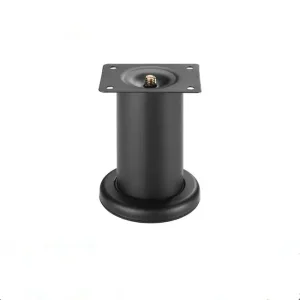
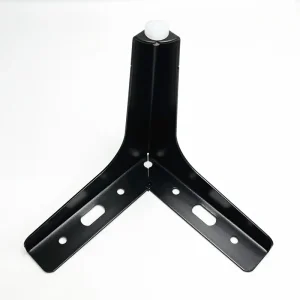
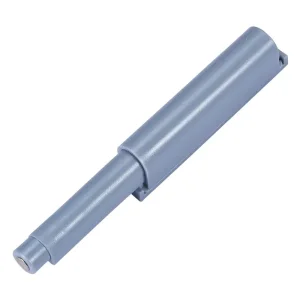
The global kitchen cabinetry industry has transitioned from purely decorative and static furniture pieces to dynamic, high-load-bearing, and ergonomically optimized utility systems. Underpinning this monumental shift is the advanced mechanical integrity of components developed by a China drawer hardware kitchen factory. In regions like Guangdong, manufacturing ecosystems have advanced past basic stamping and die-casting to highly automated, precision-guided facilities capable of producing tight-tolerance functional hardware.
Modern kitchen drawers and door panels operate in challenging home environments. High ambient humidity, frequent thermal cycles from cooking appliances, constant mechanical stress, and chemical exposure from cleaning agents mean components must meet rigorous testing criteria. Leading Chinese manufacturing clusters, specifically in Guangdong, leverage comprehensive vertical integration—from premium alloy melt formulation to surface finish electroplating and high-cycle dynamic endurance tests. By partnering directly with specialized factories, global B2B procurement managers can control material formulations (e.g., SUS304 stainless steel, custom-formulated POM plastics, and anodized aluminum alloys) to ensure longevity and compatibility with modern modular kitchen systems.
The trajectory of kitchen design demands minimalist aesthetics, push-to-open handle-free operation, and whisper-quiet dampening systems. Let's analyze the critical technology trends shaping global supply chains:
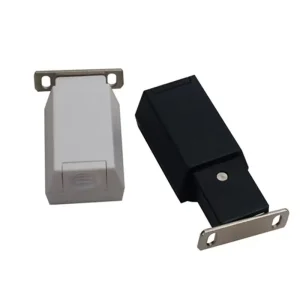
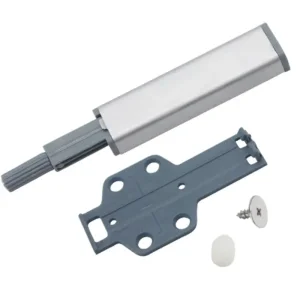
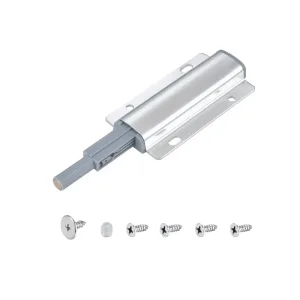
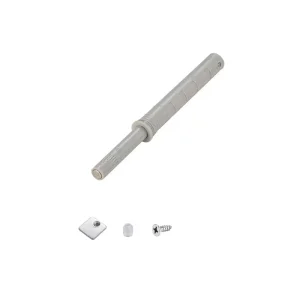
The push-to-open or "rebound" mechanism utilizes custom compression springs and magnetic tips to eject drawer faces. This technology relies on high-grade magnet housings and wear-resistant trigger mechanisms.
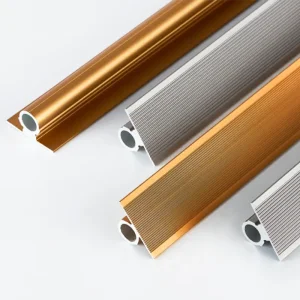
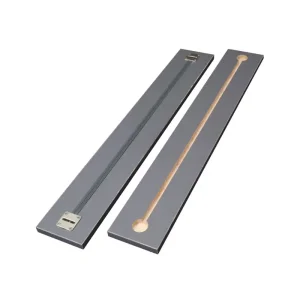
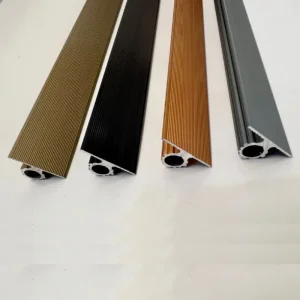
As door sizes grow, warping becomes a critical challenge. The inclusion of carbon steel and aluminum door straighteners allows manufacturers to realign panels and maintain clean, linear designs.
Through methods like electrophoretic deposition and multi-layer nickel-chrome plating, components survive continuous exposure to moisture, acidic fumes, and grease without oxidation.
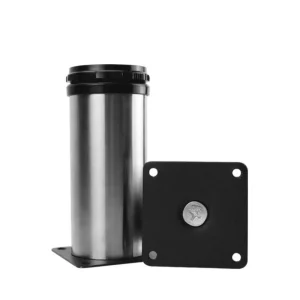
Furthermore, B2B buyers are focusing more on hardware integration compatibility. Cabinet configurations require drawer runners and support feet to function symmetrically. Standardizing components, like utilizing universal thread metrics on adjustable support feet, allows developers to swap components seamlessly depending on structural loads and regional construction requirements.
Procuring drawer and cabinetry hardware directly from Chinese manufacturers involves deep technical vetting. Global B2B buyers must prioritize structural load-bearing capacity, fatigue cycles, and chemical resistance when reviewing technical data sheets:
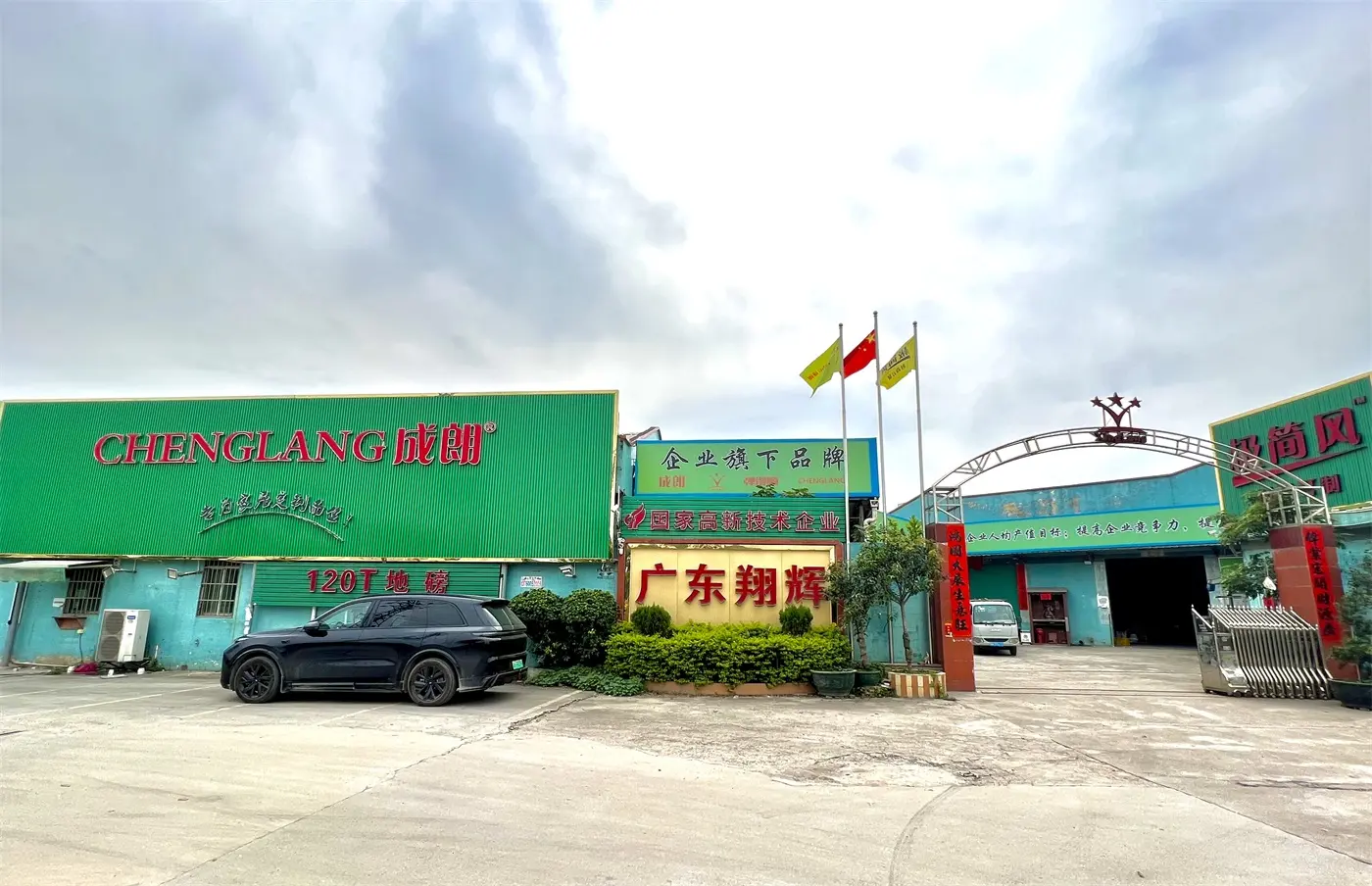
Guangdong Xianghui is a company with strong potential for long-term development, boasting a wide service range and possessing sustainable competitive advantages in technology, brand, and industry. As a leading supplier of furniture hardware, backboards, hair straighteners and hangers, we pride ourselves on providing high-quality products that meet the diverse needs of our customers.
Our range of furniture hardware includes a wide range of accessories and fixtures designed to enhance the functionality and beauty of your furniture. From drawer slides and hinges to knobs and handles, we offer solutions that meet the highest standards of durability and performance. Our commitment to quality ensures that our customers can rely on our products for lasting satisfaction.
Cabinet engineering presents complex physical challenges. In humid kitchen environments, thermal stresses and variable humidity levels cause solid wood, MDF, and particleboard panels to expand and contract. This section details how specific hardware configurations address these issues:
As modern kitchen designs embrace floor-to-ceiling doors, panel warping has become a common challenge. Without reinforcement, wood fibers shift under moisture stress, preventing doors from aligning flush with the cabinet box. Custom door panel straighteners, like our carbon steel and aluminum variants, apply uniform counter-tension to correct and prevent bowing.
Uneven flooring transfers torsional stress to the cabinet frame, which can cause drawer runners to bind. Adjustable support feet solve this issue by allowing installers to level the base frame. Using materials like stainless steel and anodized aluminum ensures the feet won't rust or fail when exposed to water or floor-cleaning chemicals.
Eliminating handles requires rebound mechanisms that can reliably trigger when pressed. Our heavy-duty magnetic rebounders utilize POM plastics and aircraft-grade steel springs to provide consistent ejection force, ensuring doors open smoothly and remain securely closed when shut.
The kitchen cabinet hardware industry is transitioning toward eco-friendly manufacturing, advanced materials, and smart component integration:
We are phasing out heavy-metal electroplating processes in favor of vacuum ion plating and water-borne anti-corrosion coatings, meeting European REACH and RoHS standards.
Deploying automated inspection systems with high-resolution optical cameras to check spring tension, magnetic force, and thread accuracy down to ±0.02mm.
Developing low-voltage electric push-to-open and soft-close mechanisms designed to integrate with smart kitchen systems and voice-activated automation.
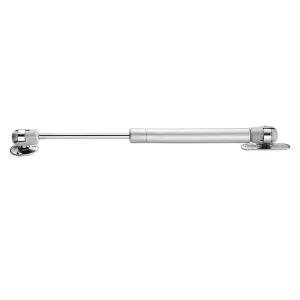
Ensure structural integrity and alignment with our professional door straighteners, heavy-duty gas struts, and magnetic push-to-open solutions.
 Xianghui