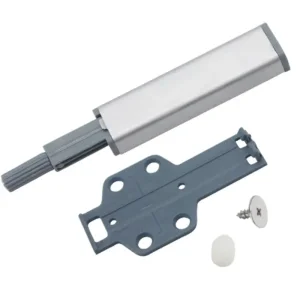
Explore our top-tier industrial-grade handles, support legs, and door straighteners engineered for high-end cabinetry
The global kitchen cabinetry and interior architectural industry is undergoing a structural transition. Modern residential and commercial designs now demand clean, seamless aesthetics combined with heavy-duty structural capabilities. This trend has directly escalated the demand for high-precision components, such as minimalist carbon steel straighteners, push-to-open magnetic rebounders, and adjustable support structures.
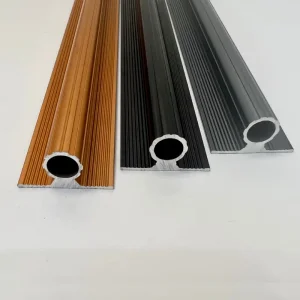
As architectural aesthetics shift toward high-profile floor-to-ceiling kitchen and wardrobe doors, material structural integrity becomes a major design constraint. Large wooden panels naturally warp over time due to seasonal fluctuations in humidity and temperature. This has created a critical market segment for wardrobe and cabinet door straighteners—tension-adjustable mechanical cores recessed into the door panel to combat deformation.
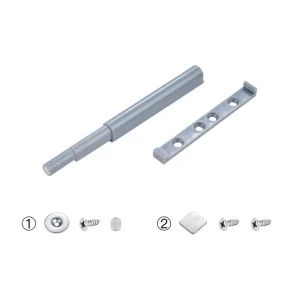
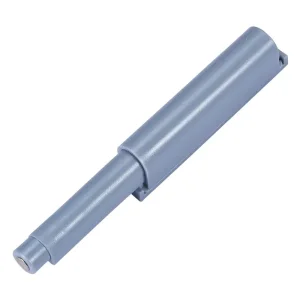
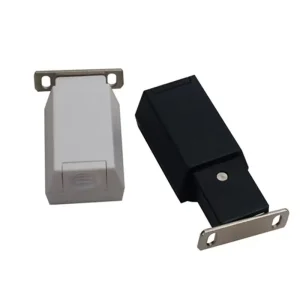
The rise of handle-free push-to-open drawers and cabinets necessitates heavy-duty magnetic rebounders and rebound switch technologies that deliver tactile satisfaction and longevity.
Kitchen and bathroom environments are prone to high humidity. Utilizing advanced anodized aluminum alloys and electroplated chrome finishes ensures that hardware remains visually perfect and structurally sound.
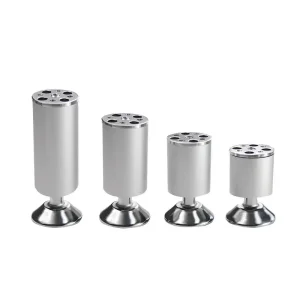
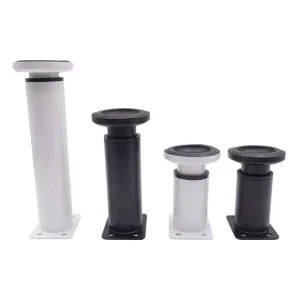
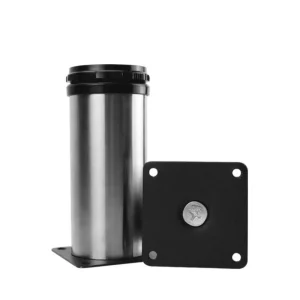
Modern flooring installations demand adjustable cabinet feet capable of handling uneven floor surfaces while safely distributing heavy static loads of up to several hundred kilograms.
B2B procurement managers and volume distributors face critical bottlenecks when sourcing kitchen cabinet components. Long lead times, structural inconsistencies, and premature hardware failure are major liabilities. To mitigate these risks, top-tier global furniture brands establish partnerships with certified OEM/ODM manufacturers who can assure consistent metallurgical parameters, strict cycle tests, and rapid logistics execution.
As global real estate developments prioritize modular, flat-pack, and easy-to-install residential spaces, component modularity becomes highly valued. Chinese manufacturing factories have addressed this by developing cross-compatible hardware ecosystems—such as adjustable kitchen cabinet feet that fit multiple socket styles and magnetic door rebounders engineered with flexible mounting options.
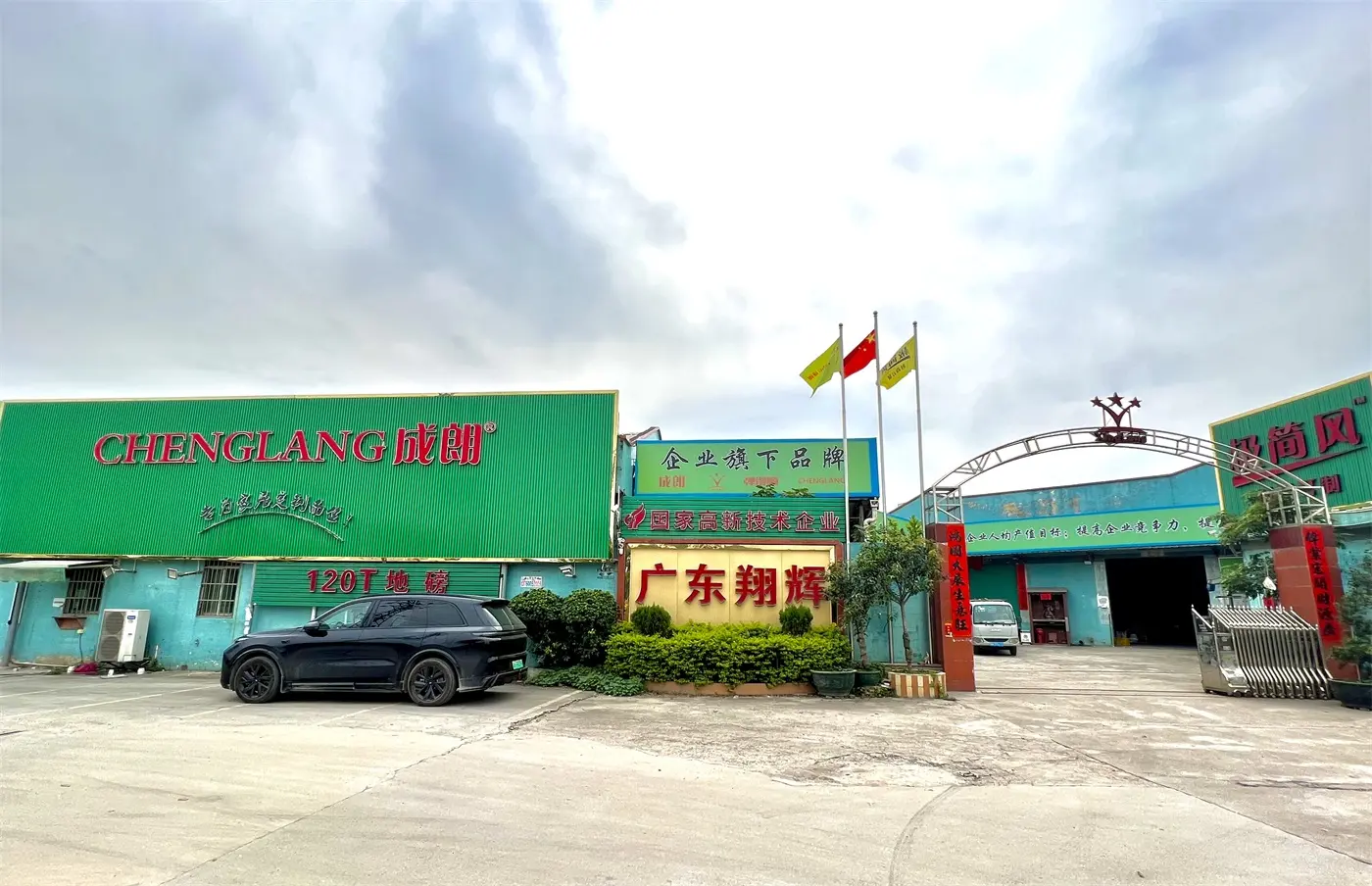
Monthly Production Capacity
Raw Material Batch Testing
Global Export Markets
Automated Production Standards
The label "Made in China" has undergone a profound technological transformation. China's kitchen hardware factories, particularly those located in industrial manufacturing hubs like Guangdong, have embraced the principles of Industry 4.0. This evolution centers around advanced automated stamping, robotic welding, computer-controlled zinc/aluminum die-casting, and multi-stage chemical electroplating chambers.
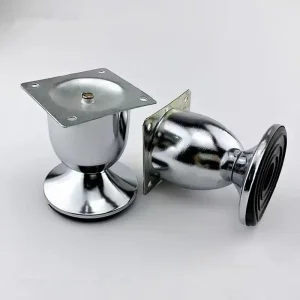
Through highly automated manufacturing lines, factories can achieve unprecedented precision. Every component, from a 10cm electroplated chrome furniture leg to a complex carbon steel anti-deformation tension rod, is built to exact tolerances. For international purchasers, this translates into minimal scrap rates during assembly, standardized installation drilling patterns, and consistent load-bearing capacities that remain stable over decades of use.
Furthermore, China's hardware supply chain offers unmatched structural resilience. Raw material acquisition, metal extrusion, precision machining, finishing treatment, and custom branding packaging are co-located within tight industrial clusters. This integration dramatically shortens research & development lead times and enables rapid production adjustments for large global orders.
Your Trusted Global Furniture Hardware Manufacturing Partner
Guangdong Xianghui is a enterprise with strong potential for long-term development, boasting a wide service range and possessing sustainable competitive advantages in technology, brand, and industry. As a leading supplier of furniture hardware, backboards, hair straighteners, and hangers, we pride ourselves on providing high-quality products that meet the diverse needs of our customers.
Our range of furniture hardware includes a wide range of accessories and fixtures designed to enhance the functionality and beauty of your furniture. From drawer slides and hinges to knobs and handles, we offer solutions that meet the highest standards of durability and performance. Our commitment to quality ensures that our customers can rely on our products for lasting satisfaction.
Different markets present distinct mechanical challenges. Modern kitchen hardware must adapt dynamically to local structural demands, regional humidity variations, and architectural preferences:
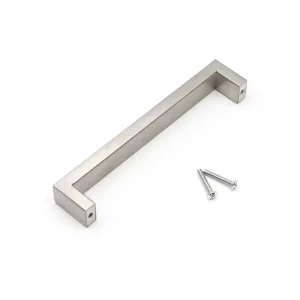
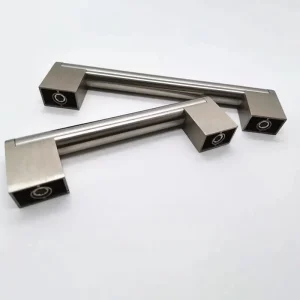
High atmospheric salinity accelerates rust. Under these conditions, standard carbon steel hardware degrades. Our grade-304 stainless steel handles and anodized aluminum support feet offer excellent corrosion resistance, ensuring long-term structural integrity and aesthetic value in humid areas.
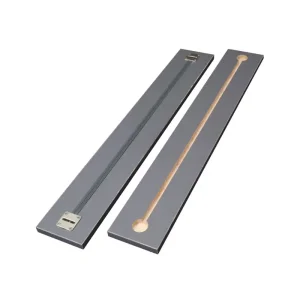
Modern European minimalist design relies on tall, handle-less doors. Over time, wood-based panels like MDF and particleboard can warp. The installation of a recessed, high-tensile Italian-style wardrobe door straightener counteracts this warping, ensuring the door panels remain perfectly flat and aligned over years of use.
Office casework, medical cabinets, and retail displays endure high-frequency use. Solid iron cup-shaped legs, adjustable support columns, and heavy-duty magnetic rebounders are required to withstand continuous operation and heavy loads without mechanical failure.
Engineered cabinet rebounders, anti-deformation straighteners, and heavy-duty adjustable leveling legs
Answers to key technical questions from procurement managers, custom builders, and global distributors
Cabinet door straighteners are critical for tall panels (exceeding 1.5 meters) made of engineered woods like MDF, chipboard, or blockboard. These materials are susceptible to warping due to seasonal temperature and humidity fluctuations. A recessed carbon steel straightener provides adjustable counter-tension, allowing fabricators and installers to realign warped doors and ensure clean, parallel lines in minimalist designs.
For commercial kitchen installations, grade-304 stainless steel or high-density anodized aluminum alloys are recommended. These materials offer high load-bearing capacity and excellent resistance to corrosion from humidity, water exposure, and harsh cleaning chemicals, preventing rust and degradation.
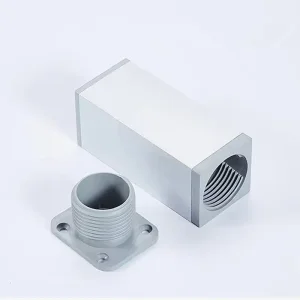
High-quality rebounders utilize heavy-duty inner compression springs combined with integrated magnetic catches. During production at Guangdong Xianghui, our rebounders undergo cycle testing (typically exceeding 50,000 opening and closing operations) to verify that the internal spring steel retains its elastic coefficient and the magnet maintains strong suction, ensuring reliable touch-to-open performance over the lifetime of the cabinet.
We implement a strict quality control matrix that begins with raw material inspection. Through spectroscopic testing and tensile testing, we ensure that every batch of aluminum alloy, carbon steel, and iron meets global standards. Our automated stamping and zinc-aluminum die-casting machinery operates with tight dimensional tolerances, minimizing variances between production batches.
Yes. Guangdong Xianghui offers full OEM/ODM services. We can customize length, finish (such as electroplated chrome, brushed nickel, powder coatings, and PVD), load-bearing specifications, and dimensions based on technical CAD drawings or physical product samples from our clients.
 Xianghui