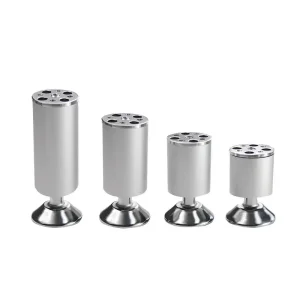
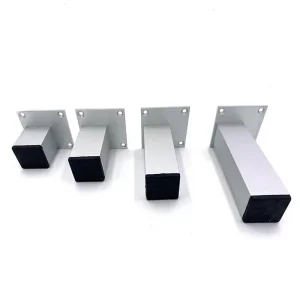
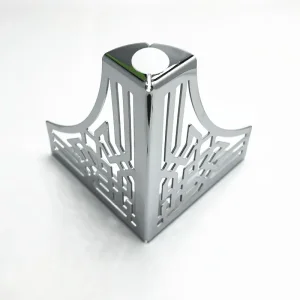
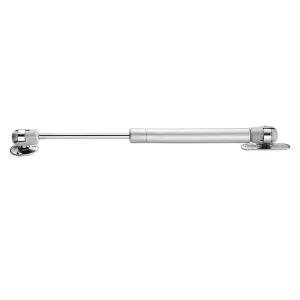
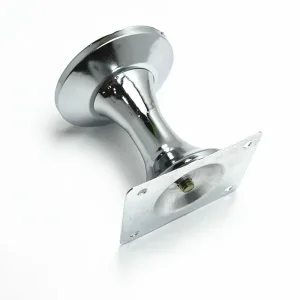
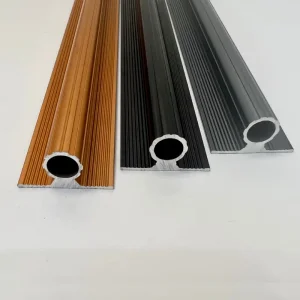
A table leg is not merely a vertical support; it is a structural member subject to axial compression, shear stress, and bending moments. High-quality systems employ structural aluminum alloy grades (such as 6063-T5) and thickened tubes, allowing for adjustable mechanisms that do not compromise static load limits. These configurations prevent structural failure caused by dynamic loads and uneven flooring.
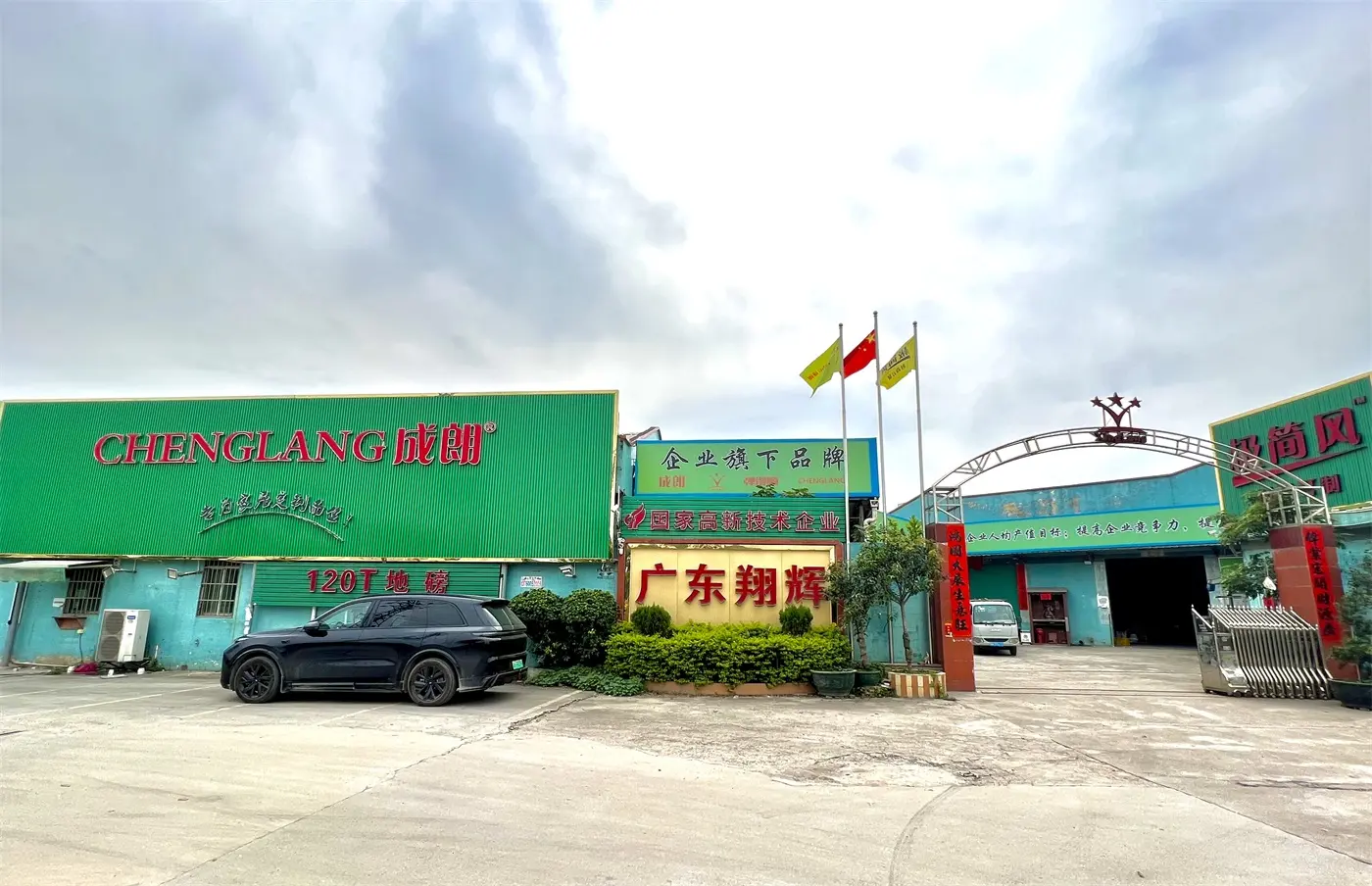
In terms of technology, Guangdong Xianghui utilizes advanced automated production equipment and innovative process technology to produce higher quality products that better meet customer needs. This includes high-precision tooling and computer-controlled finishing processes.
The brand strength of Guangdong Xianghui is derived from multiple certifications and the recognition of customers worldwide. The company prioritizes customer-centric problem-solving and wholeheartedly serves its clients, earning the satisfaction and recognition of both new and existing customers.
Within the furniture hardware accessories industry, Guangdong Xianghui has established a certain level of credibility and has maintained long-term partnerships with major brands such as DTC, Hettich, Norma, and Quanyou. These relationships enable collaborative product design and strict testing.
The company emphasizes its ability to innovate in the context of rapid technological advancement, focusing on how to use new technologies to create unique products or services and improve efficiency and profitability through small-scale organization and flexible cost control.
Direct proximity to major aluminum smelters and cold-rolling steel processors ensures raw materials are verified using optical emission spectrometers. This guarantees compliance with alloy specifications (e.g., 6063 aluminum and structural steels) before manufacturing begins.
Local specialized facilities provide advanced surface finishes, including multi-stage anodization, electrostatic powder coating, and chrome electroplating. These treatments provide salt-spray resistance up to 48 hours for demanding environments.
High-precision toolmaking facilities allow rapid development of custom extrusions and components. Modifying structural properties, wall thicknesses, and connection geometries requires minimal engineering lead time.
Consolidated manufacturing processes support strict testing protocols, including load capacity tests and cyclic fatigue analysis. Components are securely packaged to prevent damage during international transport.
Required Attributes: Rigid structural frame, low deflection under lateral load, clean cable integration.
Thickened rectangular profiles and telescopic steel or aluminum legs are used to maintain stability during height transitions and high weight capacities.
Required Attributes: Corrosion resistance, impact strength, durable floor protection.
Stainless steel grades (304 or 316) or heavy-duty anodized finishes resist damage from cleaning chemicals and physical wear. Integrated levelers prevent instability on uneven tile or stone surfaces.
Required Attributes: Modern aesthetics, hidden adjustment mechanisms, integrated soft-closing components.
Sleek metal finishes match modern millwork. Cabinet supports utilize internal levelers to maintain clean exterior lines without exposing structural hardware.
Required Attributes: High load capacity, vibration dampening, chemical resistance.
Solid cold-rolled steel constructions with robust mounting plates support heavy testing equipment, maintaining alignment under substantial loads.
These standards define load limits, fatigue performance, and deflection criteria for furniture frames. Certified products are tested for static vertical load, horizontal durability, and impact resistance. This documentation simplifies building code compliance for international commercial developments.
All surface coatings and plastic levelers are verified lead-free, cadmium-free, and compliant with environmental standards. Certified materials ensure seamless custom clearance into the EU and North American markets.
We provide detailed CAD and BIM models to assist architectural planners. Additionally, our teams provide structural optimization suggestions to simplify local assembly and reduce shipping volumes.
Advanced aluminum alloys reduce transport weight and carbon emissions without sacrificing structural load capacity. This simplifies logistics and supports sustainable building practices.
Modern desk designs require hidden wiring channels within the leg structure. This maintains clean design lines while protecting power and data cables.
Standardized connection plates allow a single leg style to fit various frame types. This simplifies inventory management for furniture manufacturers.
Adopting eco-friendly anodization and powder-coating processes reduces hazardous waste, aligning with global green building standards.
 Xianghui