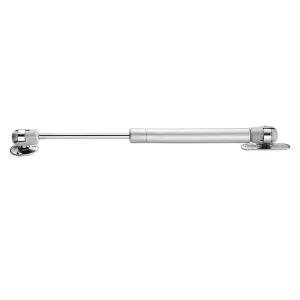
Browse our engineering-grade range of self-elastic bouncers, heavy-duty cabinet straighteners, and minimalist furniture support fixtures engineered to meet rigorous international standards.
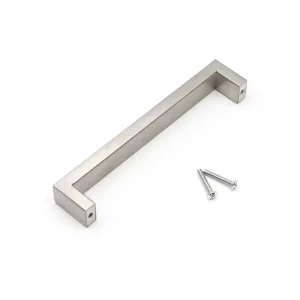
Over the last decade, interior design aesthetics have steadily gravitated toward pure minimalism, characterized by clean lines, flush surfaces, and the elimination of protruding hardware. This structural evolution has pushed the demand for push-open door mechanisms to unprecedented levels. No longer considered a luxury novelty, handle-free interfaces are now a standard engineering requirement across residential cabinetry, corporate offices, smart retail spaces, and heavy-duty industrial storage.
For international buyers, distributors, and large-scale furniture manufacturers, finding a reliable China Push Open Door Manufacturer is not merely a pricing consideration—it is a quest for engineering precision. As buildings utilize dynamic air ventilation and structural materials interact with climate fluctuations, cabinet doors demand hardware that compensates for movement while offering consistent latching cycles.
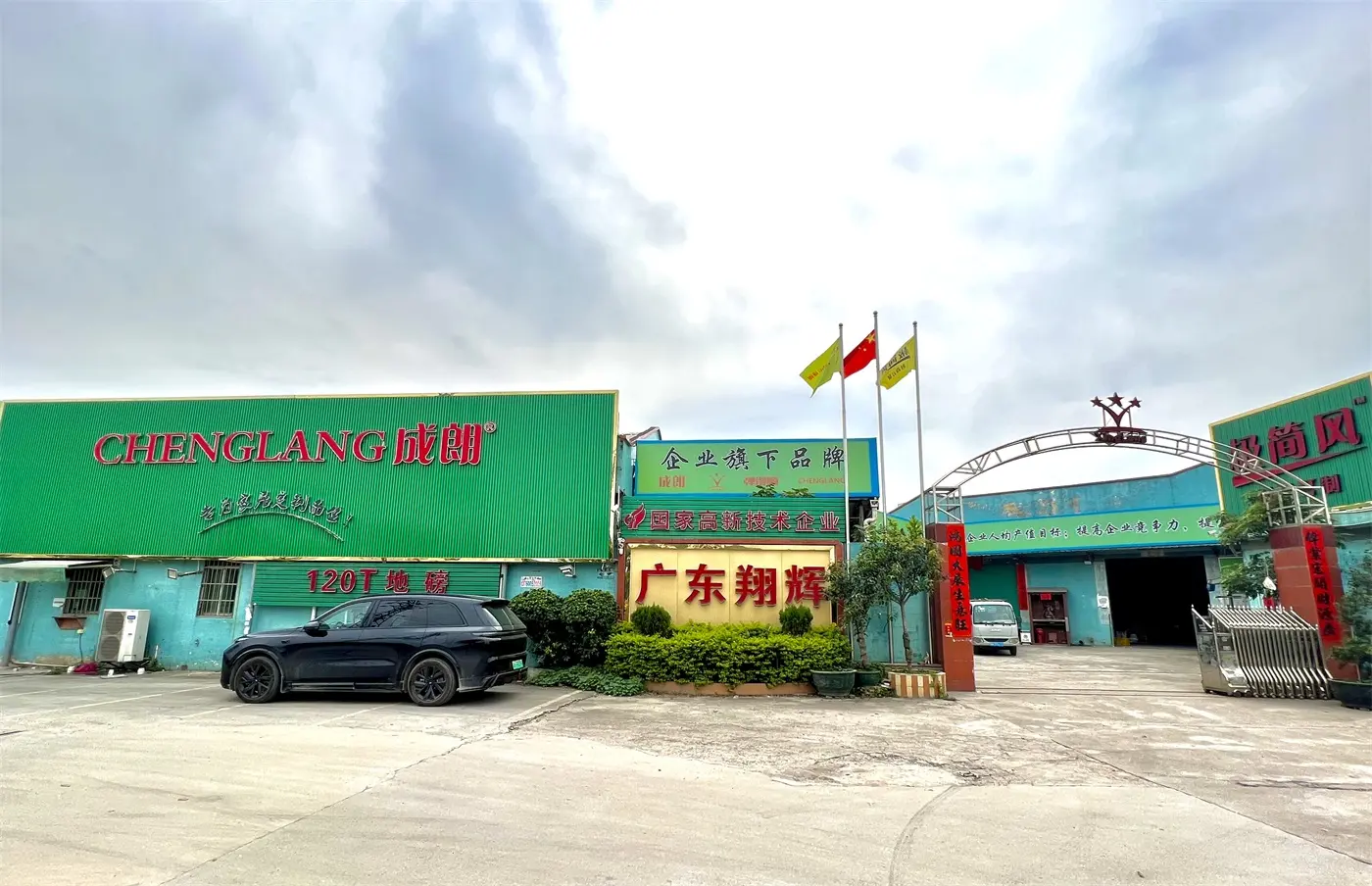
Bridging high-volume capacity with bespoke engineering solutions to service the world's most demanding furniture brands.
Guangdong Xianghui (CHENGLANG) is a enterprise with strong potential for long-term development, boasting a wide service range and possessing sustainable competitive advantages in technology, brand, and industry. As a leading manufacturer of premium furniture hardware, backboards, hair straighteners, and hangers, we pride ourselves on providing high-quality solutions that meet the diverse needs of our clients globally.
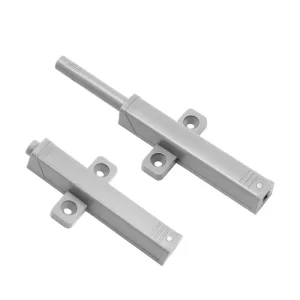
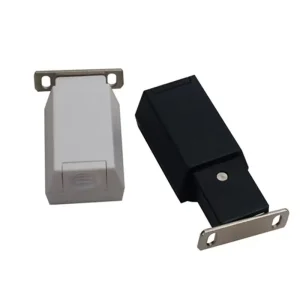
Our specialized range of furniture hardware includes a comprehensive selection of accessories designed to elevate the functionality, security, and aesthetics of modern cabinet systems. From robust cabinet door straighteners that combat panel warping to push-to-open magnetic ejectors that offer seamless touchless operation, our structural designs meet the highest international benchmarks of durability.
Utilizing automated high-precision injection molding, mechanical assembly lines, and continuous quality monitoring to ensure zero-defect product runs.
Recognized supplier and supply partner to renowned global hardware giants and OEM conglomerates, including DTC, Hettich, Norma, and Quanyou.
Continuous R&D focused on implementing silent air-pressure rods, hydraulic dampening technology, and magnetic-rebound integration.
All structural items undergo rigorous anti-corrosion, ASTM salt spray tests, load-bearing deformation tests, and cycle endurance analyses.
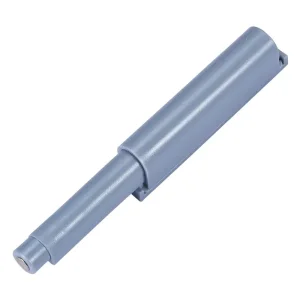
A push-type bouncer relies on kinetic energy storage. When a user presses the door panel, the latch mechanism releases, allowing an internal pre-compressed spring to drive the plunger forward, pushing the door open to an angle where the user can easily pull it completely. The integration of high-performance NdFeB (Neodymium Iron Boron) permanent magnets ensures the door stays flush to the frame when closed, preventing micro-gaps and keeping cabinet facades visually aligned.
Our bouncer systems feature adjustable plunger stroke lengths (ranging from 20mm to 50mm) to accommodate different door materials, weights, and hinge profiles. This micro-adjustability prevents accidental trigger events while maintaining high sensitivity.
One of the biggest issues in handleless design is door warping. Traditional handles provide some structural resistance against warping, but modern, ceiling-high minimalist wardrobe doors (often exceeding 2.2 meters) lack this support. Fluctuations in ambient temperature and humidity create uneven tension between the inner and outer veneer layers, causing cabinet doors to bend.
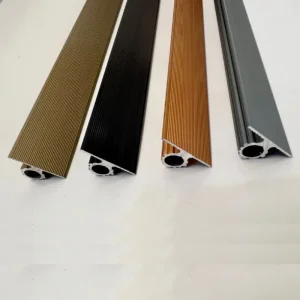
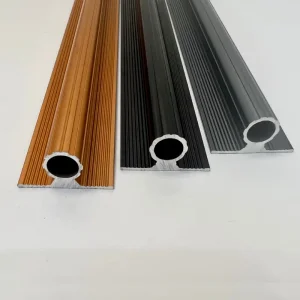
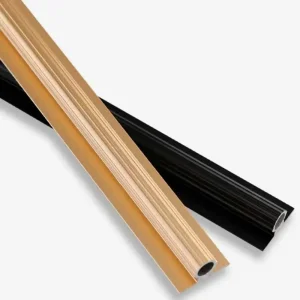
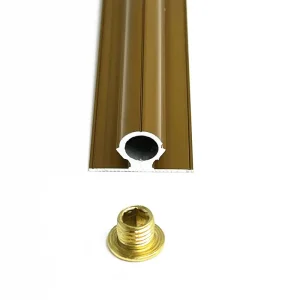
Our *Minimalist Wardrobe Door Panel Straighteners* provide the necessary tensile counter-force. By embedding a high-tensile carbon steel rod within an extruded aluminum profile, our straightener tool allows installers to calibrate the alignment tension over time. Rotating the center tension sleeve applies a linear force that corrects minor warping, keeping large wood, composite, or MDF panels flat.
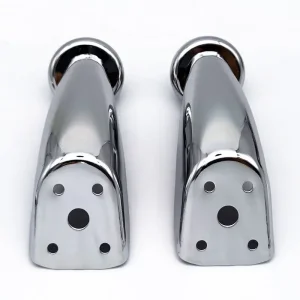
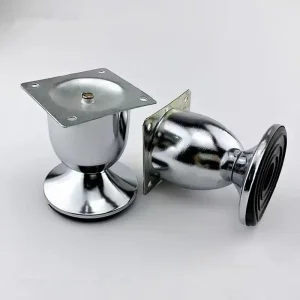
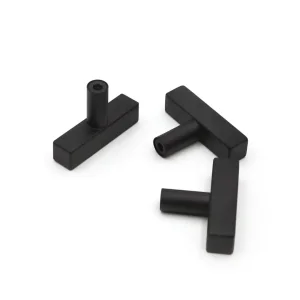
For metal cabinet components, handles, and furniture legs (such as our Electroplated Chrome Piggy Feet), rust prevention is crucial. The choice between SUS 201 and SUS 304 stainless steel is determined by the target environment. SUS 304 contains higher chromium and nickel content, offering superior resistance against moisture and chemical cleaners—ideal for high-humidity areas like kitchens and bathrooms. Our advanced electroplating process applies uniform layers of copper, nickel, and chrome to prevent corrosion and maintain a mirror-like finish.
Ensuring reliable quality through transparent engineering standards, automated testing, and smart material selection.
Global hardware sourcing managers often face challenges with product variations between production batches. At Guangdong Xianghui, we reduce quality variation through automated production lines. Our robotic plastic injection molding machines feed directly into assembly lines, ensuring consistent dimensions, spring tension, and magnetic alignments.
By partnering with Tier-1 logistics networks and establishing regional support structures, we offer reliable delivery and container optimization, keeping lead times steady for global importers, retail brands, and custom millwork manufacturers.
Technical details, installation advice, and procurement insights for push-open hardware and cabinet components.
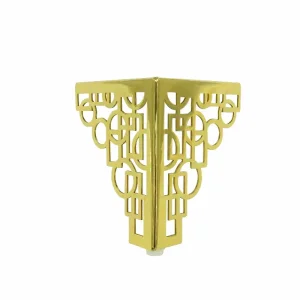
Examine our complete collection of support accessories, metal legs, anti-warping systems, and hidden magnetic ejectors.
 Xianghui