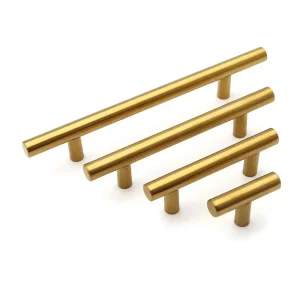
Explore our elite selection of heavy-duty support systems, precision handles, and structural stability systems engineered for global OEM applications.
A strategic whitepaper on mechanical dynamics, material science, and global market demands in high-frequency residential and commercial projects.
In modern interior architecture and high-end cabinetry, the performance of hardware is no longer considered a secondary design detail; it is the fundamental benchmark of structural longevity and user experience. As the architectural design philosophy shifts towards minimalism and integration, the market for soft close cabinet door hardware has transitioned from basic structural hinges to integrated, multi-functional, hydraulic kinetic systems. For B2B buyers, sourcing partners must offer more than raw manufacturing capabilities—they must deliver engineering innovation, supply chain adaptability, and validated compliance protocols.
The core of soft-close technology lies in fluid dynamics. High-end hydraulic hinges utilize specialized, high-viscosity silicone oil sealed within micro-engineered steel chambers. When a cabinet door is closed, the mechanical energy is transferred to a piston within the damper cup, compressing the oil. The design must restrict fluid bypass to create resistance, slowly absorbing kinetic energy until the door meets the cabinet frame in absolute silence.
Cheap components fail rapidly due to oil degradation and temperature-induced viscosity shifts. Low-grade silicone oil thins in summer heat, leading to slamming doors, and thickens in winter cold, making doors difficult to close. Guangdong Xianghui designs dampening cylinders using multi-layer sealing gaskets and aerospace-grade fluid polymers. This ensures consistent closure speeds across operating temperatures ranging from -15°C to 60°C, providing a reliable close rate of 3 to 6 seconds.
Utilizing high-viscosity index silicone oils that maintain structural resistance regardless of seasonal temperature swings.
Reinforced dual-ring nitrogen-cured seals that prevent micro-leaks, ensuring pressure retention over 10 years of use.
Providing resistance at the closing angle without adding opening friction, keeping door operations effortless.
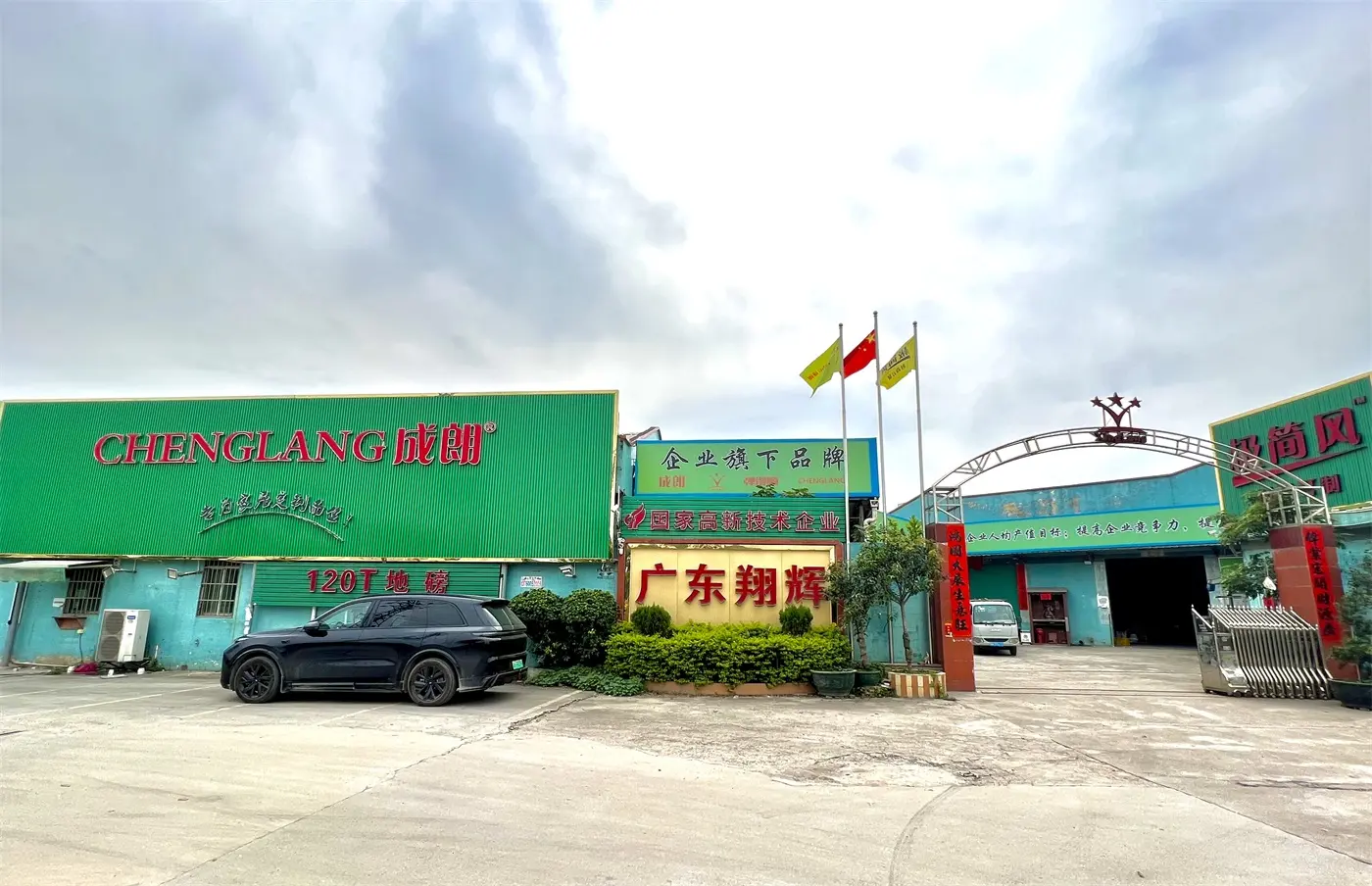
Guangdong Xianghui is a company with strong potential for long-term development, boasting a wide service range and possessing sustainable competitive advantages in technology, brand, and industry. As a leading supplier of furniture hardware, backboards, hair straighteners (door straighteners) and hangers, we pride ourselves on providing high-quality products that meet the diverse needs of our customers.
Our range of furniture hardware includes a wide range of accessories and fixtures designed to enhance the functionality and beauty of your furniture. From drawer slides and hinges to knobs and handles, we offer solutions that meet the highest standards of durability and performance. Our commitment to quality ensures that our customers can rely on our products for lasting satisfaction.
Navigating compliance standards, quality assurances, and logistical risks in global furniture manufacturing.
International sourcing for construction projects, multi-family housing developments, and high-volume cabinet production requires compliance with strict performance metrics. Sourcing departments in North America and Europe rely heavily on standardized testing methodologies to evaluate the viability of hardware factories. Key standard benchmarks include:
This benchmark requires the cabinet hardware to successfully endure 80,000 cycles of automated open-close operations without structural degradation. Meeting this standard indicates that the component can maintain structural alignment, pivot integrity, and hydraulic closing pressure under high-volume use.
European standards dictate heavy-duty loading requirements, testing hinges with added weights of up to 20kg to simulate modern, thick cabinet doors (solid wood or heavy-density MDF panels). Pivot pins and mounting plates must withstand dynamic side-stress loads without bending.
Another major concern is environmental resistance. Kitchen cabinets are exposed to humidity, grease, steam, and cleaning chemicals. Sourcing high-quality raw materials is critical. Standard cold-rolled steel (SPCC) must undergo electroplating with nickel or chromium to prevent oxidization. Industry leaders run 48-hour to 96-hour neutral salt spray tests (NSS) to verify corrosion resistance, ensuring components maintain their finish and mechanical function in damp coastal regions or high-humidity interior environments.
B2B buyers frequently face problems with inconsistent hydraulic pressure, where different batches show variable close speeds. This variation is usually caused by outdated, manual factory assembly lines. To address this, Guangdong Xianghui uses automated assembly lines that accurately meter hydraulic fluid and secure assembly housing within micro-millimeter margins. This automated precision ensures uniform product performance across bulk shipments.
Additionally, long-distance logistics present rust risks during maritime transit. If packaging is inadequate, humid ocean air can cause oxidation before the products reach their destination. High-standard suppliers utilize vacuum-sealed moisture-proof packaging, anti-corrosive desiccant inserts, and heavy-duty double-corrugated outer boxes to protect materials throughout transport.
Our core advantages drive value, quality assurance, and engineering innovation for international procurement networks.
Analyzing door straightener mechanical counter-forces and the integration of structural hardware for tall panels.
Modern interior design increasingly features floor-to-ceiling cabinet doors and minimalist, handle-free wardrobes. While visually striking, panels exceeding 2 meters in height are susceptible to warping due to differences in room humidity and temperature between the front and back of the door. This warp can misalign soft-close hinges, causing them to bind, squeak, or fail to close fully.
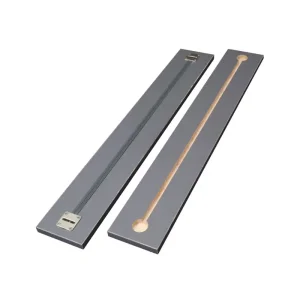
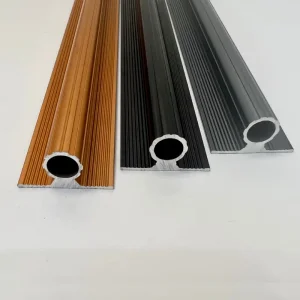
Guangdong Xianghui resolves this issue by combining soft-close hardware with Italian-style cabinet door straighteners. Straighteners are tension rods installed inside grooves cut into the back of the cabinet door. By adjusting the internal tension nut, installers can create a structural counter-bend. This tension counteracts panel warping, keeping the door straight and ensuring hinges function smoothly over the long term.
Our straighteners feature high-tensile carbon steel cores encased in aluminum alloy profiles. They offer high tensile strength and simple adjustment, allowing installers to keep tall wardrobe panels flat under varying humidity conditions.
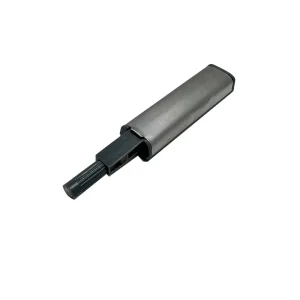
To meet the demand for handle-free designs, we have developed integration options for mechanical push-to-open switches. These spring-loaded rebound devices work alongside soft-close components. Users push the door to release a mechanical spring, opening the door slightly. When closing, the door is pushed shut where a magnetic catch engages, and the hydraulic buffer dampens the final movement. This integration requires precise balancing of the spring and hydraulic force to ensure reliable open-and-close operation.
Expert technical answers to common queries regarding soft close hardware, customization, and factory logistics.
Discover our wider range of cabinet components, handles, adjustable supports, and structural straighteners.
 Xianghui