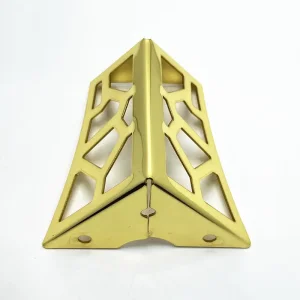
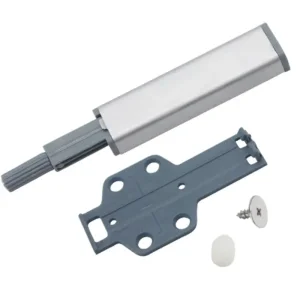
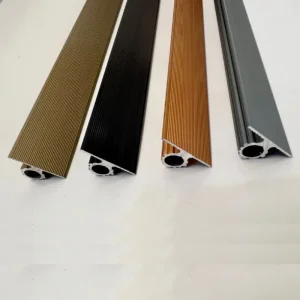
Engineered cabinet legs, structural anti-deformation straighteners, and heavy-duty hardware solutions.
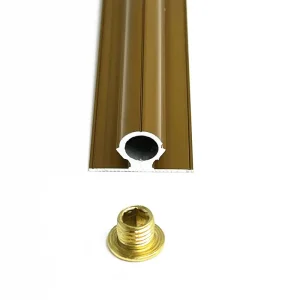
In the contemporary B2B furniture manufacturing landscape, hardware is no longer regarded as a minor accessory; rather, it is recognized as the structural and operational foundation of cabinet systems. As real estate development globally shifts toward higher-density urban housing, premiumization, and micro-acoustics (noise-mitigated environments), the global demand for high-performance soft close kitchen cabinet hardware has risen significantly. Commercial furniture brands, importers, and hospitality developers look to China for manufacturers capable of bridging metallurgical integrity, kinematic precision, and scalable OEM capacity.
Modern soft-closing mechanisms rely on fluid dynamic principles to control kinetic energy transfer when a cabinet door or drawer closes. Traditional mechanisms suffered from high oil viscosity breakdown, resulting in "hydraulic rebound" or failure to seal properly under varying ambient temperatures. Today, premium Chinese factories utilize synthesized silicone fluids characterized by high viscosity indexes. This ensures consistent damping performance from -15°C to 50°C.
The engineering mechanism leverages a multi-stage piston cylinder with integrated safety bypass valves. If a door is closed with excessive force, the bypass valve relieves internal hydraulic pressure to protect the seals and prevent oil leakage, a common failure mode in low-cost cabinet components. Standardizing on 3D adjustable soft-close hinge configurations allows developers to achieve perfect horizontal, vertical, and depth alignment during high-volume residential installations.
With the rise of floor-to-ceiling kitchen and wardrobe cabinets, doors are exceeding heights of 2.2 meters. At these dimensions, wood panels—whether MDF, particleboard, or solid pine—are highly susceptible to warping caused by humidity variation, internal stress, and gravitational pull. An uncorrected panel causes misalignments, which puts excessive stress on hinges, rendering even the most advanced soft-close cylinders ineffective.
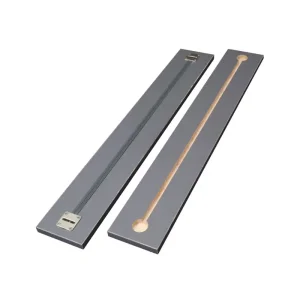
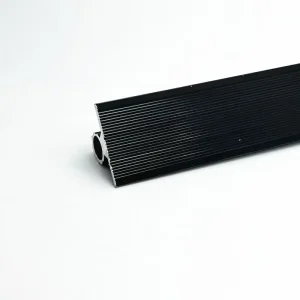
To resolve this structural challenge, professional manufacturers integrate high-tension carbon steel or aluminum alloy cabinet door straighteners. Installed flush into the back panel of the door, these straighteners feature adjustable tension rods that counteract deflection. Our Italian-style cabinet door straighteners utilize high-grade carbon steel, allowing technicians to calibrate structural tension post-installation and ensure the cabinetry remains planar throughout its operational lifespan.
By optimizing metallurgical processing and eliminating downstream failures, we reduce replacement costs by up to 35% for international volume buyers.
Utilizing high-tensile cold-rolled steel and multi-layer zinc/electroplated finishes to ensure salt spray test performance exceeds 72 hours.
Every product undergoes destructive cycle verification matching ANSI/BHMA Grade 1 requirements, guaranteeing over 80,000 flawless open-close iterations.
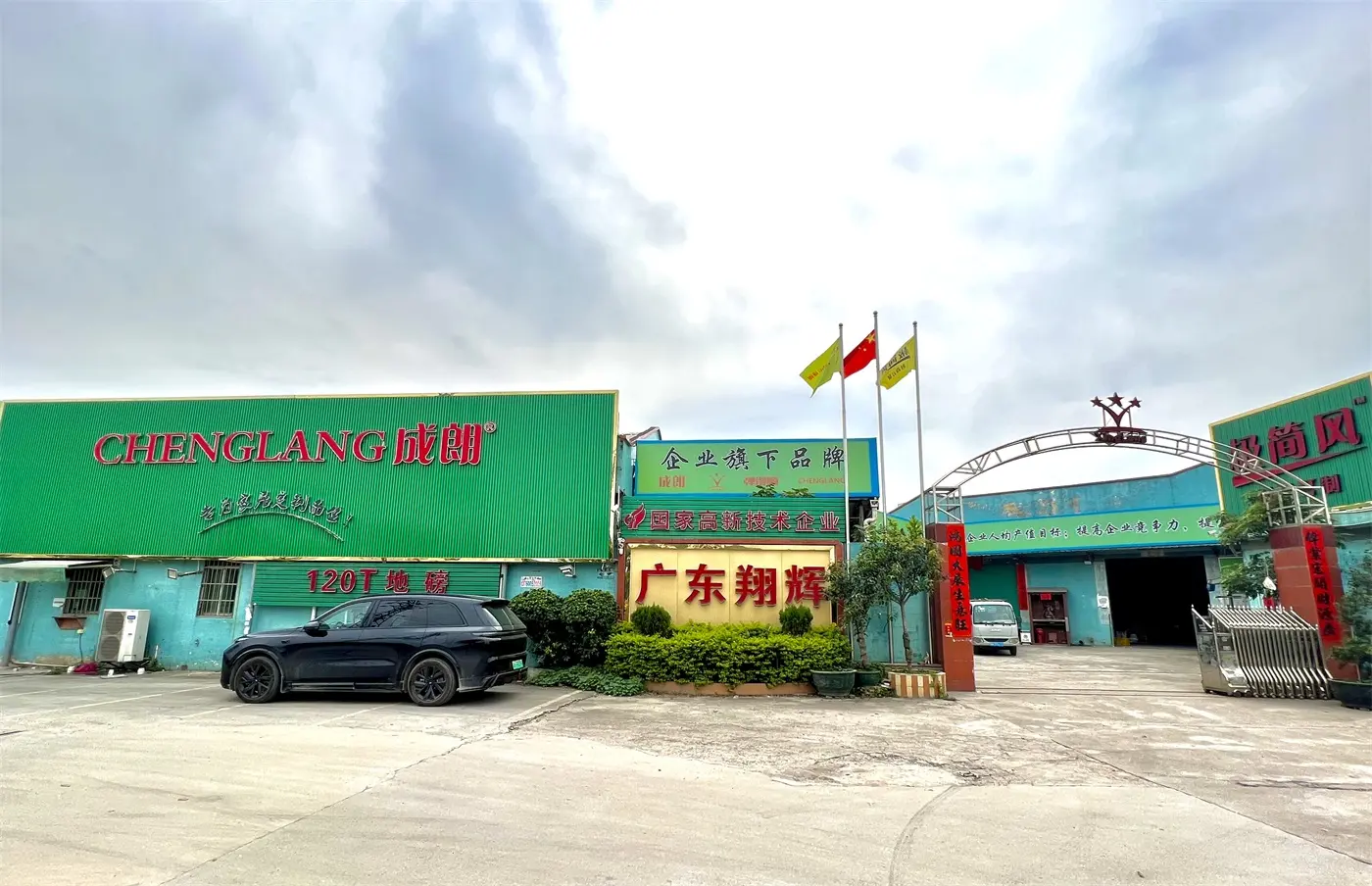
Guangdong Xianghui is a company with strong potential for long-term development, boasting a wide service range and possessing sustainable competitive advantages in technology, brand, and industry. As a leading supplier of furniture hardware, backboards, hair straighteners, and hangers, we pride ourselves on providing high-quality products that meet the diverse needs of our customers.
Our range of furniture hardware includes a wide range of accessories and fixtures designed to enhance the functionality and beauty of your furniture. From drawer slides and hinges to knobs and handles, we offer solutions that meet the highest standards of durability and performance. Our commitment to quality ensures that our customers can rely on our products for lasting satisfaction.
Through continuous capital investments in production automation and environmental protection, our facility in Guangdong serves as an integrated manufacturing center that scales to support OEM and ODM demands globally, facilitating prompt deliveries and meeting rigorous technical specifications.
Four cornerstones that support our global B2B operations, ensuring reliability, innovation, and long-term brand equity.
The international cabinetry market is experiencing major shifts in materials and procurement channels. In North America and Europe, rising labor costs force millworkers and kitchen installers to source components that reduce dynamic adjustment times on-site. Quick-release plates, pre-mounted dowels, and integrated dampeners are now standard specifications.
In addition, global purchasing managers must consider shipping footprint calculations, cargo structural packing, and trade tariffs. Sourcing from Guangdong offers strategic logistics advantages, utilizing the Pearl River Delta shipping lanes to ship directly from Shenzhen or Guangzhou ports. Partnering with a manufacturer that possesses integrated capabilities—extending from cold-rolled steel stamping to high-precision electroplating—allows procurement departments to consolidate their supply chains, reduce container space loss, and maintain quality consistency across multiple categories (e.g., drawer runners, heavy-duty table legs, and invisible hinge solutions).
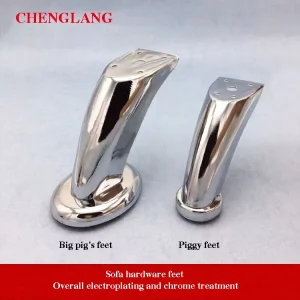
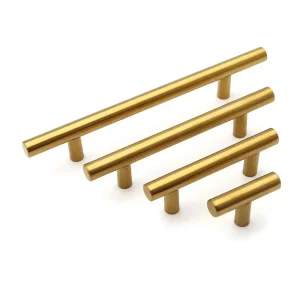
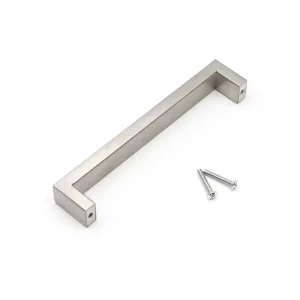
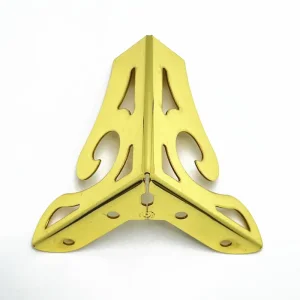
Hardware failure is commonly caused by surface corrosion rather than mechanical fatigue. In coastal regions or environments with high humidity, standard zinc coatings degrade rapidly. Premium furniture legs, handles, and hinges must undergo advanced electroplating processes. For instance, our wholesale chrome electroplated iron sofa legs and stainless steel wardrobe handles utilize multi-stage copper-nickel-chrome plating baths to prevent surface oxidation. By subjecting materials to continuous salt spray testing (monitored via ASTM B117 standards), we assure commercial clients that our hardware preserves its cosmetic finish and structural load capacity for decades.
The dominant design trend in contemporary kitchen and bathroom millwork is clean-lined minimalism, which eliminates traditional cabinet handles. Achieving this aesthetic requires robust, highly reliable pressure ejectors. Magnetic rebounders and touch-to-open latch systems must balance two competing dynamics: high spring ejection force (to push open heavy MDF doors) and smooth mechanical latching. Our magnetic and aircraft-style metal shell door rebounders are engineered using internal high-carbon steel springs and wear-resistant polymer cams, preventing the mechanical sticking associated with cheap components.
Addressing engineering, quality assurance, and logistic questions of global cabinet brands and developers.
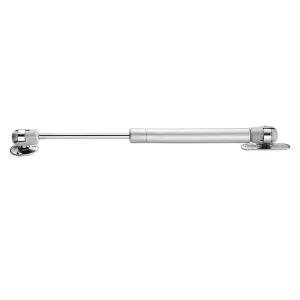
Premium wardrobe components, gas struts, and magnetic rebounders manufactured to meet global engineering standards.
 Xianghui