Engineered for structural stability, aesthetic versatility, and high durability
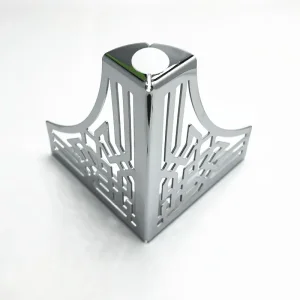
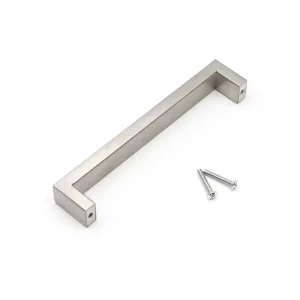
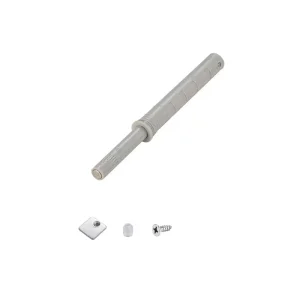
Analyzing procurement patterns, spatial demands, and the role of specialized hardware engineering
In the contemporary real estate, hospitality, and residential custom furniture industries, the structural integrity of cabinetry and wardrobes depends heavily on micro-engineered components. These systems include tension-adjustable door straighteners, high-capacity load-bearing feet, and precision-damped soft-close rebounders. Global market integration, alongside architectural demands for full-height minimalist panels (often exceeding 2.7 meters in height), has placed immense stress on traditional woodwork. Without structural reinforcement, wood composites like MDF, HDF, and particleboard warp due to environmental shifts, relative humidity changes, and structural load patterns.
To address these challenges, architectural hardware designers have moved away from basic aesthetic trims toward load-bearing, dynamically adjustable hardware systems. These systems prevent material deformation and ensure smooth mechanical operation. High-performance aluminum alloy door straighteners, heavy-duty adjustable cabinet support legs, and low-wear POM (Polyoxymethylene) embedded push-to-open rebounders are no longer luxury options. They are core necessities for durability in modern cabinetry projects.
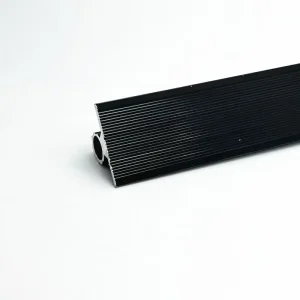
Modern door straighteners offer continuous tension adjustment. This counteracts the natural bending forces acting on high-aspect-ratio wardrobe doors, keeping wood surfaces flat over decades of operation.
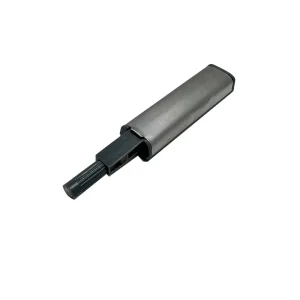
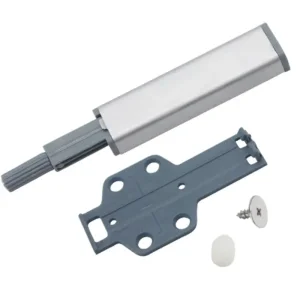
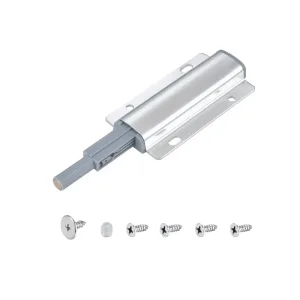
Our concealed rebounders utilize high-grade POM self-ejectors. This polymer is selected for its high stiffness, low friction, and excellent dimensional stability under repetitive load cycles.
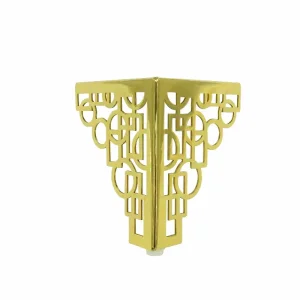
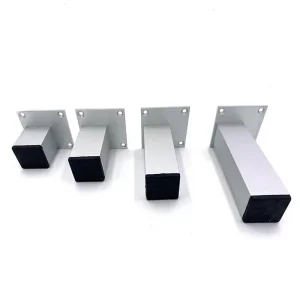
Our metal supports are made from high-strength zinc alloy, cold-rolled steel, and extruded aluminum. They feature electroplated and powder-coated finishes that resist corrosion in coastal and humid environments.
Guangdong Xianghui is a company with strong potential for long-term development, boasting a wide service range and possessing sustainable competitive advantages in technology, brand, and industry. As a leading supplier of furniture hardware, backboards, hair straighteners and hangers, we pride ourselves on providing high-quality products that meet the diverse needs of our customers.
Our range of furniture hardware includes a wide range of accessories and fixtures designed to enhance the functionality and beauty of your furniture. From drawer slides and hinges to knobs and handles, we offer solutions that meet the highest standards of durability and performance. Our commitment to quality ensures that our customers can rely on our products for lasting satisfaction.
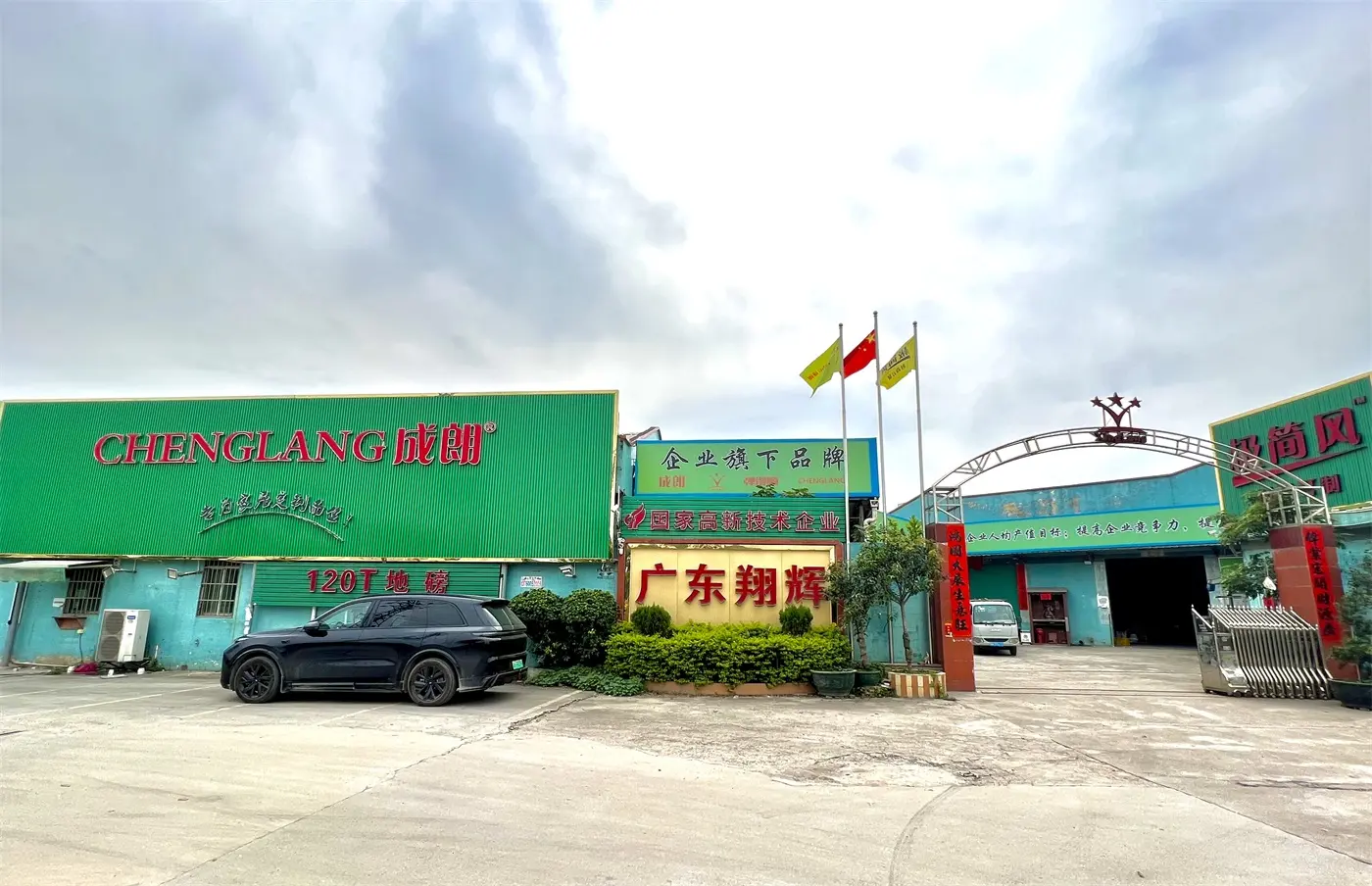
Pioneering engineering standards and verified industry leadership
The global dominance of Chinese furniture hardware manufacturing is built on integrated industrial clusters, advanced metallurgy, and scale economies. Guangdong province, and specifically the Shunde and Gaoyao clusters, has become the global center for high-performance furniture hardware production. This concentration provides distinct advantages over European or domestic regional manufacturing:
To choose the right hardware, it is helpful to analyze how components perform in real-world architectural settings. Different environments place unique physical demands on cabinet and wardrobe assemblies:
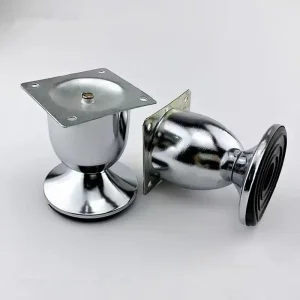
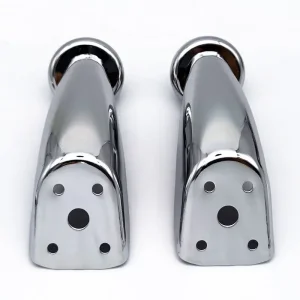
Bathrooms and kitchens expose hardware to high relative humidity, vaporized cleaning agents, and water contact. In these environments, standard iron furniture feet and non-anodized aluminum will quickly develop oxidation and pitting. Designers should specify corrosion-resistant materials like anodized aluminum alloy cabinet feet or electroplated chrome piggy feet. These materials provide barrier protection against moisture, preventing rusting and structural failure.
Modern minimalist interior design favors handle-free, floor-to-ceiling wardrobe door panels. However, wood doors taller than 2.2 meters are highly susceptible to warping from temperature differentials between the interior and exterior of the wardrobe. Implementing a universal cabinet door straightener provides the necessary tension control. This internal metal rod can be adjusted to correct warp and keep the panel aligned, ensuring a clean, flush appearance across the entire wall.
In modern office environments and minimalist residential spaces, handles are often omitted to achieve clean, flush surfaces. This functional requirement relies on concealed magnetic rebounders. These push-to-open latch mechanisms eject the door forward upon compression. Utilizing high-performance POM shells and strong neodymium magnets, these devices ensure reliable opening and closing without physical drawer pulls or knobs.
Procurement directors and supply chain managers for commercial residential projects face persistent challenges: managing supply chain disruptions, verifying product durability, navigating complex customs regulations, and maintaining cost control. When sourcing wholesale cabinet and wardrobe hardware, procurement strategies should focus on risk mitigation and quality assurance:
Verifiable Lifetime Testing: Sourcing hardware with certified cycle testing (e.g., 50,000 cycles for hinges and rebounders) ensures long-term performance. This reduces future warranty claims and on-site maintenance costs in large developments.
Finishing Technology Compliance: Surface treatments must meet strict environmental and performance criteria, such as passing salt spray testing to confirm corrosion resistance. This is particularly important for coastal properties, where high humidity and salt levels accelerate the degradation of unprotected metal surfaces.
Integrated Supply Chain Consolidation: Purchasing multiple components—such as cabinet legs, magnetic latches, door straighteners, and drawer handles—from a single manufacturer reduces logistics overhead, simplifies quality control, and coordinates shipping timelines. This consolidated approach streamlines the delivery process and helps maintain project schedules.
Expert answers to critical engineering, manufacturing, and procurement inquiries
Explore our range of heavy-duty support legs, handles, and mechanical rebounders

 Xianghui