Explore our premium architectural elements engineered for commercial cabinetry, modern luxury residences, and heavy-duty industrial projects.
A B2B Engineering Whitepaper on Mechanical Durability, Precision Damping, and Structural Alignment.
In high-end architectural joinery and industrial cabinet manufacturing, the closure system is not merely a utility; it is the primary touchpoint of user experience and product durability. Selecting the correct cabinet door closures involves understanding the mechanical forces, spring rates, fluid dynamics of hydraulic damping, and magnetic field strengths that govern their operations.
Modern cabinetry has rapidly transitioned toward minimalist, handle-free designs. This shift places significant performance demands on underlying mechanisms. Magnetic rebounders, push-type self-elastic bouncers, and integrated damping systems must perform flawlessly over decades. As a leading manufacturer, Guangdong Xianghui (Chenglang) designs hardware that withstands dynamic loads while offering silent, consistent kinetic feedback.
The primary role of a damping closure is to control kinetic energy as a cabinet door swings shut. Traditional spring-loaded hinges slam the door against the cabinet frame, transferring structural vibrations that loosen screws and weaken joints. Modern closures utilize hydraulic chambers containing high-viscosity silicone fluid. As the door closes, a piston compresses the fluid, creating progressive resistance that decelerates the door to a silent rest.
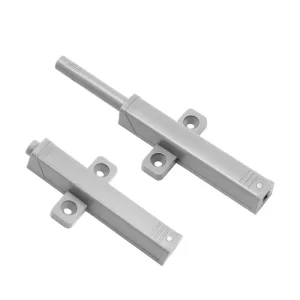
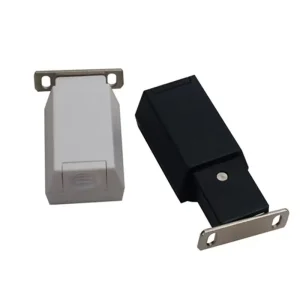
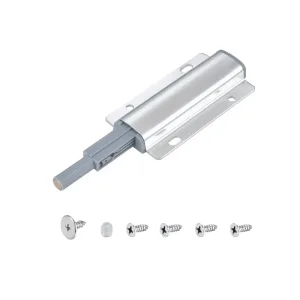
For handle-free installations, the mechanism operates in reverse. Push-type magnetic bouncers must store potential energy in high-tension springs when compressed, releasing that energy instantly upon a physical press. This requires precise calculation of the rebounder's spring rate—too weak, and the door fails to open sufficiently; too stiff, and the door requires excessive force to close.
Our hardware products undergo rigorous testing regimes to meet international architectural standards.
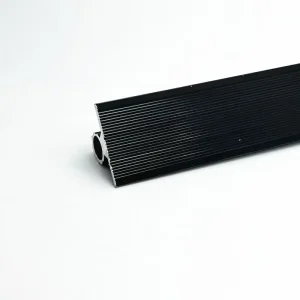
Tall wardrobe panels—particularly those exceeding 2 meters in height—are highly susceptible to warpage caused by changes in temperature, ambient humidity, and structural tension. To prevent or correct this bowing effect, architectural millworkers utilize cabinet door straighteners, such as the Chenglangweifa Type A Wardrobe Door Panel Straightener.
A door straightener consists of a tension rod embedded inside a routed groove on the backside of the cabinet panel. By adjusting the tension nut, installers apply linear force that counteracts the warp. This system prevents deformation over years of service, maintaining consistent gaps between adjoining doors and ensuring magnetic closures line up perfectly.
For B2B procurement officers, compliance with regional building codes and material certifications is non-negotiable. Sourcing hardware components globally requires rigorous compliance structures:
How Guangdong Xianghui (Chenglang) integrates design and manufacturing to deliver robust B2B hardware solutions.
We utilize automated high-speed stamping presses, multi-slide die casting machinery, and computer-controlled finishing processes to manufacture components with minimal mechanical tolerances.
Our brand credibility is built upon custom integrations for regional furniture makers and long-term supply partnerships with industry flagships like DTC, Hettich, Norma, and Quanyou.
Based in Guangdong's industrial heartland, we benefit from consolidated supply chains for steel, aluminum alloys, and polymer compounds, enabling unmatched pricing and logistical scale.
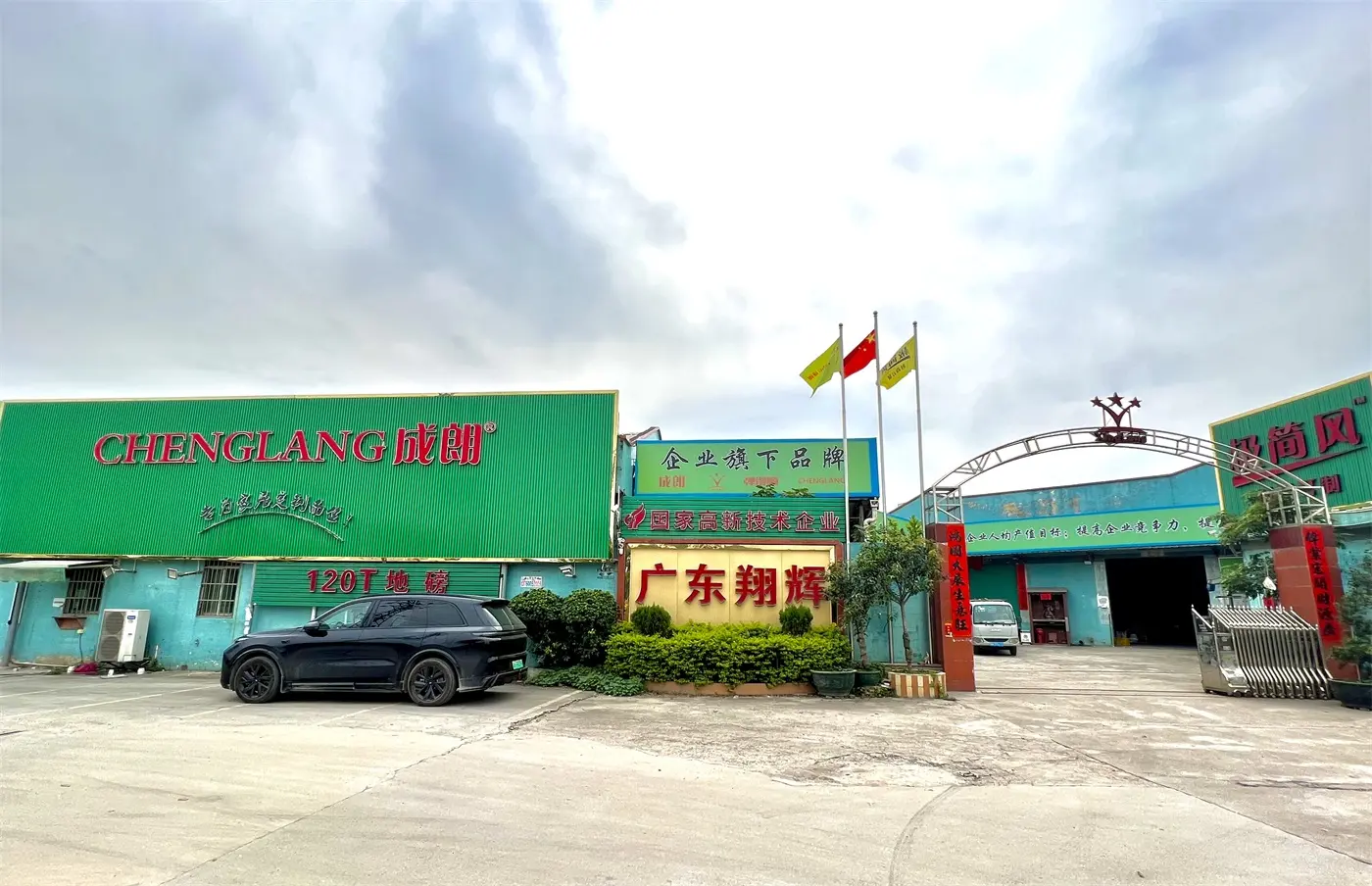
Guangdong Xianghui is a company with strong potential for long-term development, boasting a wide service range and possessing sustainable competitive advantages in technology, brand, and industry. As a leading supplier of furniture hardware, backboards, panel straighteners, and hanging accessories, we pride ourselves on providing high-quality products that meet the diverse needs of our customers.
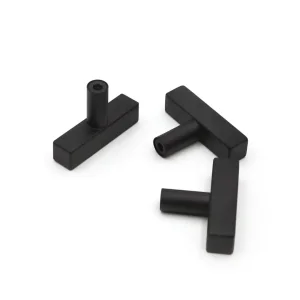
Our range of furniture hardware includes a wide range of accessories and fixtures designed to enhance both the structural functionality and aesthetic beauty of your casework. From drawer slides and soft-closing hinges to minimal bouncers, knobs, and luxury handles, we offer solutions that meet the highest standards of durability and performance. Our commitment to quality ensures that our customers can rely on our products for lasting satisfaction.
By coupling advanced manufacturing facilities with a dedicated engineering team, we assist commercial clients, contract furniture manufacturers, and hospitality procurement companies in specifying products that optimize cost while ensuring compliance and longevity.
Selecting hardware profiles based on regional climates, installation spaces, and expected usage cycles.
Hardware selection cannot follow a one-size-fits-all approach. Architectural specifications require selecting materials and mechanical devices engineered to handle specific localized stresses.
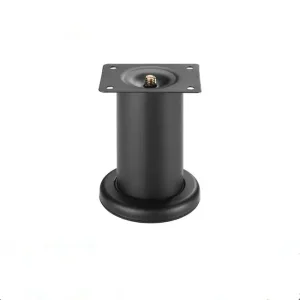
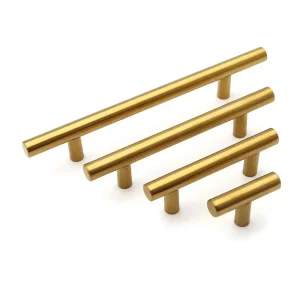
1. Coastal and High-Humidity Climates: Standard carbon steel hardware fails rapidly in humid environments, leading to oxidation, binding, and eventual failure of hydraulic chambers. For these applications, we recommend 304 stainless steel handles and marine-grade adjustable aluminum alloy cabinet feet. Aluminum forms a natural oxide layer that prevents deep corrosion, while 304 stainless steel resists pitting in saline environments.
2. Minimalist Handle-Free Residential Design: To achieve seamless cabinet facades, designers utilize push-type magnetic bouncers and heavy-duty rebounders. These devices sit flush inside the carcass, requiring only a slight push from the user to release the latch and pop the door open. Sourcing robust bouncers is critical—cheap bouncers suffer from spring fatigue, causing doors to align unevenly.
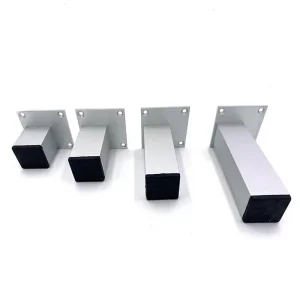
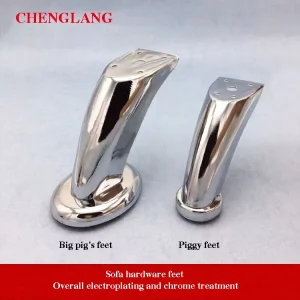
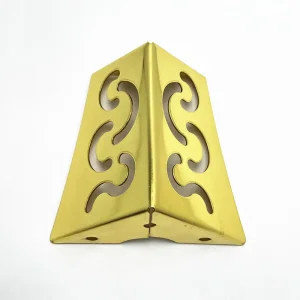
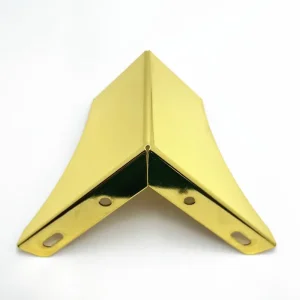
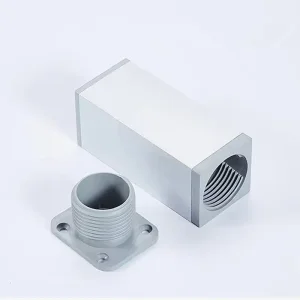
3. Heavy-Duty Commercial Sourcing: In hotels, offices, and retail showrooms, cabinetry doors and drawers experience thousands of cycles weekly. This demands hardware that can distribute structural loads effectively. Our thick square tube furniture legs and two-in-one sofa legs are engineered to carry loads up to 250 kg per leg, preventing sagging and structural failures on uneven commercial flooring.
Technical guidance and sourcing advice from our engineering team.
Explore our heavy-duty magnetic rebounders, tension-rod panel straighteners, and adjustable support bases.
 Xianghui