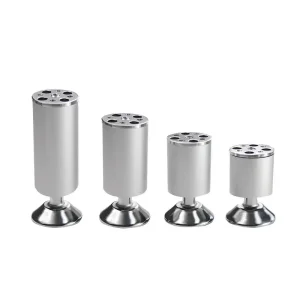
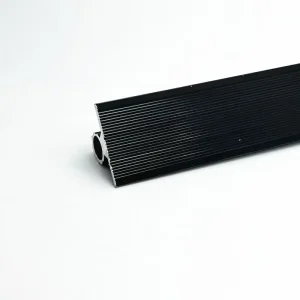
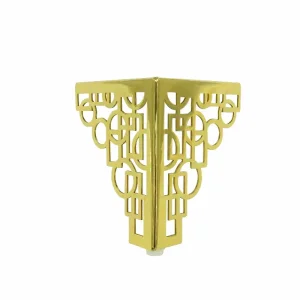
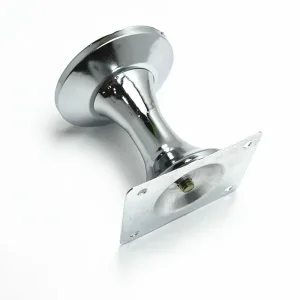
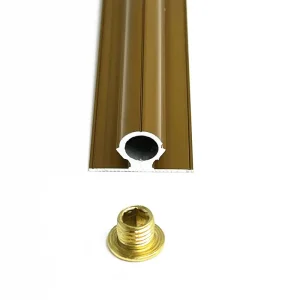
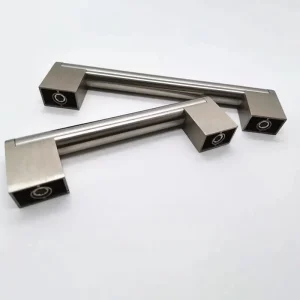
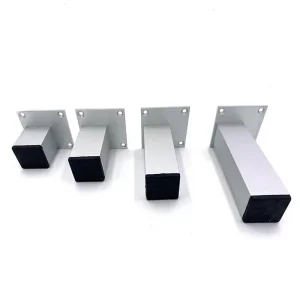
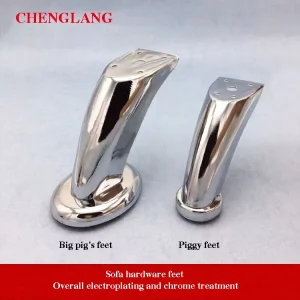
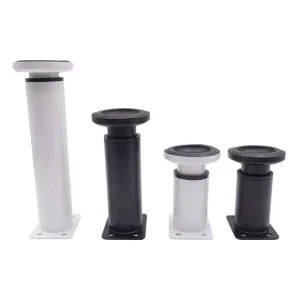
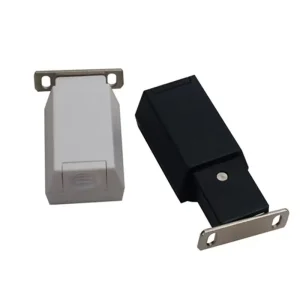
Guangdong Xianghui is a enterprise with strong potential for long-term development, boasting a wide service range and possessing sustainable competitive advantages in technology, brand, and industry. As a leading supplier of furniture hardware, backboards, hair straighteners, and hangers, we pride ourselves on providing high-quality products that meet the diverse needs of our customers.
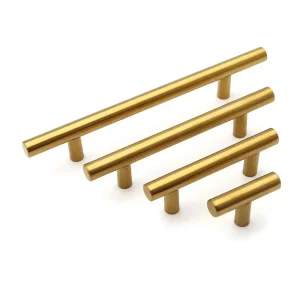
Our range of furniture hardware includes a wide range of accessories and fixtures designed to enhance the functionality and beauty of your furniture. From drawer slides and hinges to knobs and handles, we offer solutions that meet the highest standards of durability and performance. Our commitment to quality ensures that our customers can rely on our products for lasting satisfaction.
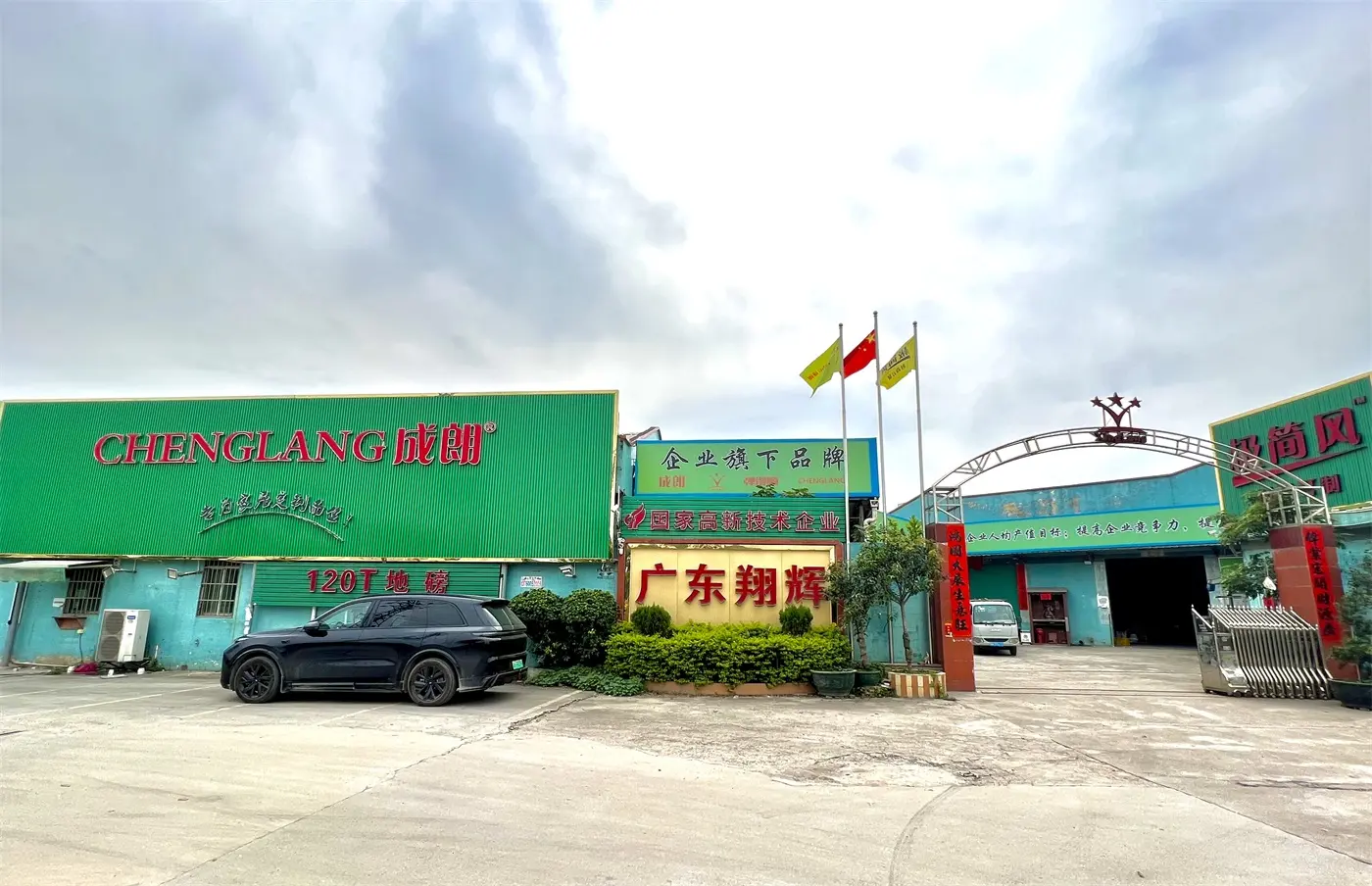
In terms of technology, Guangdong Xianghui utilizes advanced automated production equipment and innovative process technology to produce higher quality products that better meet customer needs.
Guangdong Xianghui's brand strength is derived from multiple certifications and the recognition of customers worldwide. We prioritize customer-centric problem solving to earn lasting satisfaction.
We maintain deep, long-term supply partnerships with industry giants including DTC, Hettich, Norma, and Quanyou, testifying to our global operational standards.
We continuously focus on integrating new tech to optimize manufacturing efficiency. Our flexible cost control and responsive structure enable highly competitive pricing schedules.
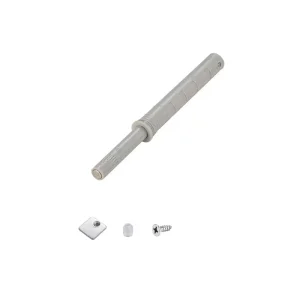
The global furniture and cabinetry industry is undergoing a significant transformation. Modern architectural aesthetics prioritize sleek lines, minimalistic profiles, and seamless integration of functional components. This design pivot has catalyzed the rapid adoption of touch-opening mechanisms, specifically cabinet push-to-open latch systems. These components eliminate the need for traditional knobs and drawer pulls, paving the way for ultra-modern residential kitchens, state-of-the-art office furniture, and specialized medical environments. In this whitepaper, we dissect the technical components, manufacturing strategies, and supply chain logistics that empower high-performance push-to-open solutions.
Understanding the internal mechanics of touch latches is critical for B2B buyers seeking long-term performance. Cabinet push-to-open mechanisms generally fall into two categories: mechanical spring-loaded systems and magnetic rebounders. Both systems perform the same basic function but operate on different engineering principles.
Selecting the optimal device relies heavily on the design of the hinge and the weight of the door panel. The primary technical metrics to evaluate include:
Stroke Distance (Ejection Depth): The length the plunger travels when activated. Standard stroke distances range from 20mm for small bathroom vanities to 50mm or 78mm for heavy wardrobe doors. A longer stroke is critical for doors fitted with self-closing or negative-sprung hinges to ensure the door is pushed past the hinge's self-closing threshold.
Spring Force (Newton Rating): The force applied during ejection. Heavy doors require high-N (Newton) ratings to overcome gravity and rotational friction. A spring force that is too weak will result in incomplete openings, while an overly strong spring can wear down hinges prematurely.
Industrial push-to-open housings are manufactured from engineering thermoplastics, primarily POM (Polyoxymethylene), or anodized metal casings. POM is selected for its high stiffness, low friction coefficients, and exceptional dimensional stability. This ensures the internal gear-to-pinion pathways retain smooth operation over 80,000 to 120,000 opening cycles. Premium models feature aircraft-grade aluminum alloy outer sleeves, offering enhanced crush resistance and high-end visual appeal for high-end retail cabinetry.
Cabinet hardware must perform reliably under varying environmental stressors. Our research identifies distinct regional application challenges:
We are researching and testing eco-friendly, bio-based polyoxymethylene materials to reduce the carbon footprint of structural plastics without losing tensile strength and cycle longevity.
Integrating micro-solenoids and sensors with mechanical rebounders allows cabinets to open via touch control, voice commands, or smart home automation hubs.
Developing micro-dampeners embedded within push-to-open assemblies to ensure the final mechanical ejection sequence is completely silent and vibration-free.
Testing Cycle Lifespan
SGS Salt Spray Rating
Global Export Markets
QC Inspection Standard
Guangdong remains the global hub for precision furniture hardware manufacturing. Sourcing from Guangdong Xianghui (CHENGLANG) gives international buyers access to an integrated manufacturing ecosystem. The localized supply chain allows for rapid procurement of high-grade raw metals, precision spring components, and custom plastic formulations. By co-locating tooling development, injection molding, and assembly, we dramatically shorten lead times from weeks to days.
Furthermore, our automated production lines significantly reduce labor costs while ensuring strict quality consistency. Automated quality checks monitor dimensional tolerances and spring force variations in real-time, catching deviations before components reach the packing line. This operational scale enables competitive pricing models and reliable bulk production schedules for global wholesale distributors.
For B2B buyers, product safety and certification compliance are non-negotiable. Sourcing cheap components without validated testing leads to structural failures and costly product recalls. Guangdong Xianghui mitigates these risks through rigorous, transparent testing methodologies:
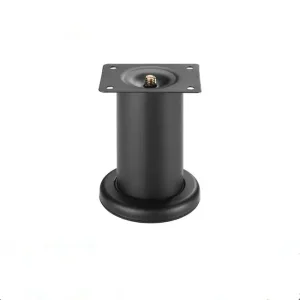
Optimize your product lines with our high-durability push-to-open mechanisms and custom furniture legs. We support complete OEM/ODM customization and offer volume discounts for bulk wholesale orders.
Request Technical Quotation Xianghui