The modern architectural hardware market has transitioned from basic mechanical utility to a landscape characterized by ergonomic integration, material longevity, and aesthetic minimalism. Cupboard fittings—including concealed rebounders, adjustable structural feet, and tension-loaded cabinet door straighteners—form the critical interface between physical furniture and user interaction. For B2B procurement managers, interior architects, and volume distributors, selecting high-performance fittings directly influences end-user brand loyalty and reduces structural warranty claims.
As smart housing and minimalist interior designs dominate worldwide, hardware components must satisfy two conflicting demands: structural robustness and visual invisibility. For instance, the rise of floor-to-ceiling wardrobe configurations (often exceeding 2.7 meters in height) has made structural door panel deformation a critical failure point. Traditional timber properties, combined with changing indoor humidity levels, inevitably cause warping. Advanced hardware manufacturers have countered this by introducing linear tension straighteners, maintaining door planarity over decades of use.
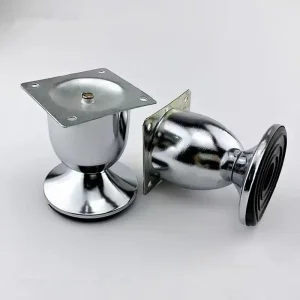
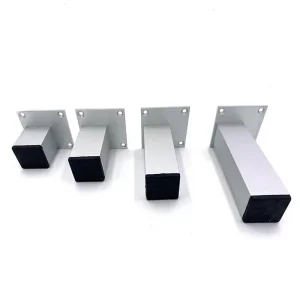
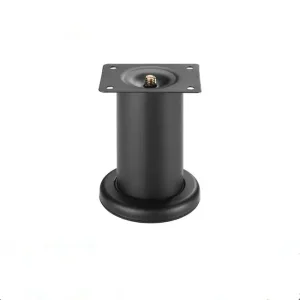
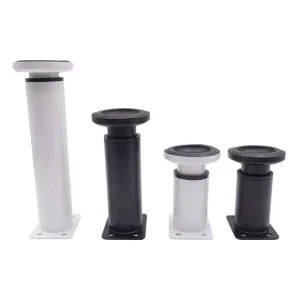
Structural reliability in cabinetry depends entirely on the metallurgical and chemical composition of its hardware. High-strength structural feet, typically supporting loads of over 250kg per unit, rely on precision-machined aluminum alloys or cold-rolled steel treated with multi-layer electroplating processes. This safeguards the substrate against oxidative corrosion in high-humidity kitchen and bathroom environments.
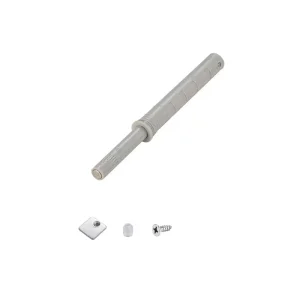
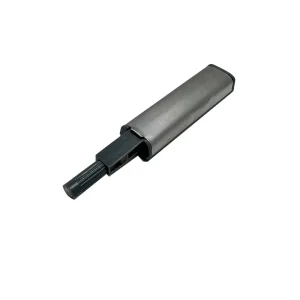
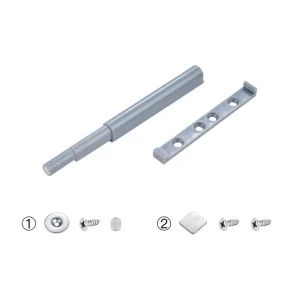
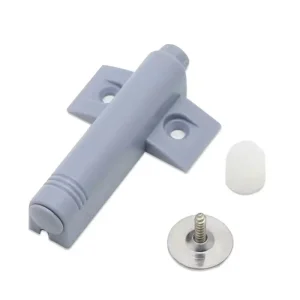
Concurrently, the push-to-open (rebounder) mechanical assemblies rely heavily on POM (Polyoxymethylene), commonly known as engineering plastic. POM provides the low friction coefficient, high stiffness, and superior dimensional stability required to survive hundreds of thousands of compression cycles without mechanical fatigue. Integrating rare-earth neodymium magnetic tips ensures that once the door returns to its closed resting position, the latching force remains consistent, preventing accidental pop-outs.
| Fitting Category | Primary Material Alloy | Industrial Coating / Treatment | Target Lifecycle Standards | Key Application Environment |
|---|---|---|---|---|
| Cabinet Rebounders | POM / Tough ABS Shell | Self-Lubricating Natural Finish | 100,000 Open/Close Cycles | Handle-free Minimalist Cabinets |
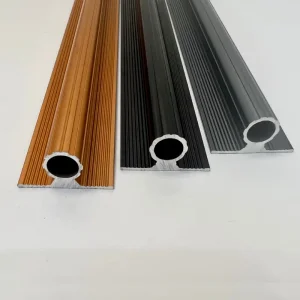
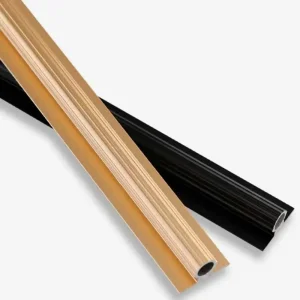
| Wardrobe Straighteners | 6063-T5 Extruded Aluminum | Anodic Oxidation / Powder Coating | Resists up to 1500N Tensile Force | Floor-to-Ceiling Veneered Panels |
| Heavy-Duty Support Feet | A3 Structural Carbon Steel / Alloy | Chrome Electroplating / Passivation | Static Load > 300kg per Column | Bathroom Cabinets & Commercial Shelving |
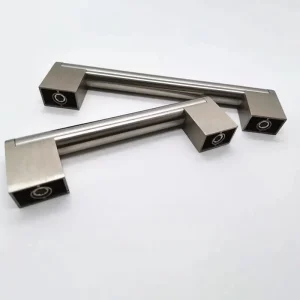
| Precision Pull Handles | SUS 304 Stainless Steel / Zinc Alloy | Satin Brush / PVD Electroplating | 48-Hour Salt Spray Resistance (ISO 9227) | Premium Commercial & Kitchen Fittings |
Guangdong's Pearl River Delta, specifically Shunde, remains the epicentre of the global furniture hardware supply chain. Factories here operate within an integrated industrial ecosystem that links raw material smelting, tooling design, high-speed progressive stamping, and automated polymer injection molding. This geographic concentration reduces supply chain latency and allows for swift prototypes and rapid volume scaling.
By using automated multi-station progressive stamping and inline quality control systems, manual errors are virtually eliminated, achieving dimensional tolerances down to ±0.05mm.
In-house CAD/CAM toolmakers complete custom mold design and manufacturing cycles within 15-21 days, allowing clients to seize market opportunities quickly.
Proximity to the deep-water shipping hubs of Shenzhen, Guangzhou, and Hong Kong guarantees efficient shipping routes and cost-effective ocean freight rates.
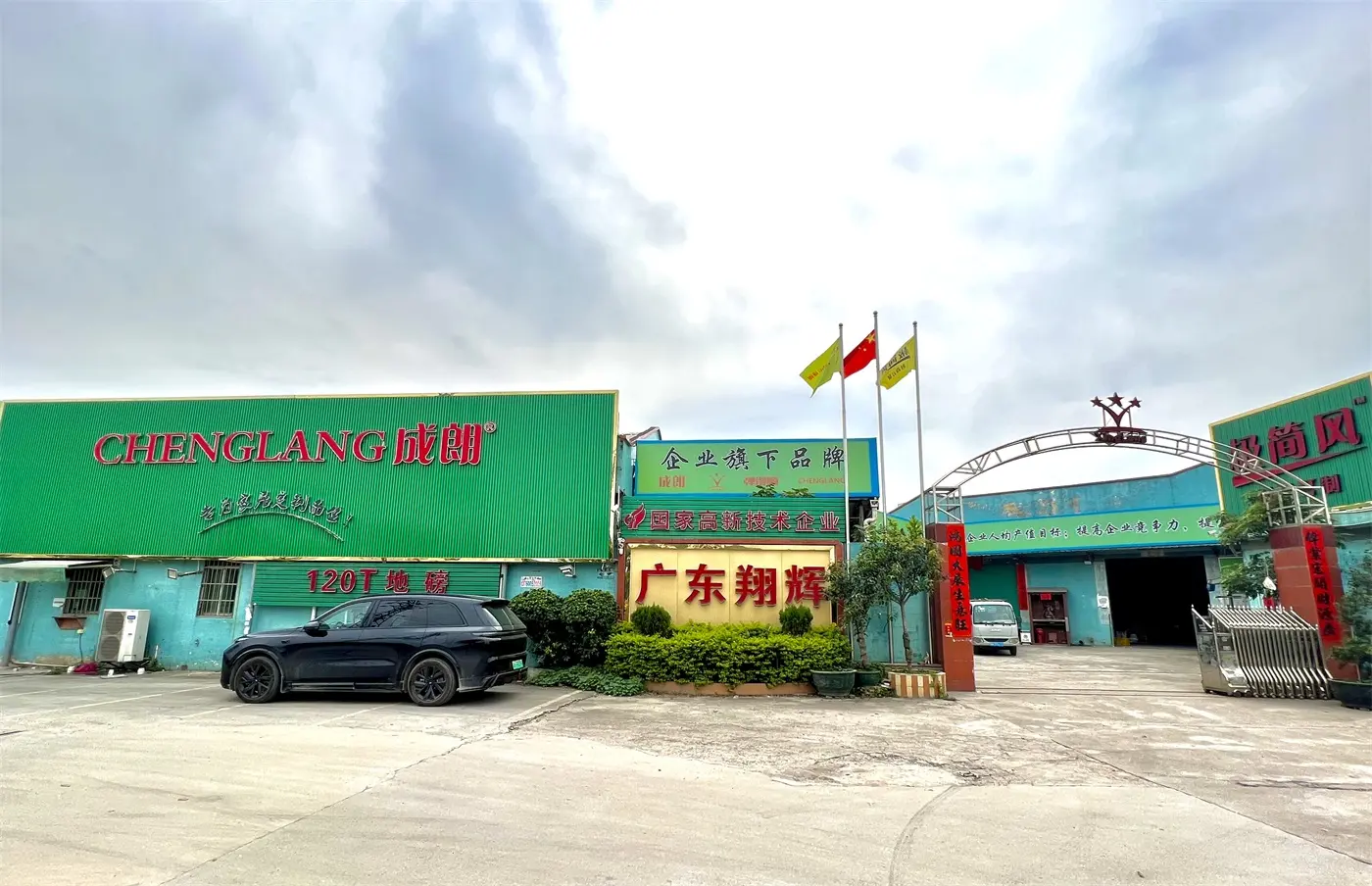
This localized efficiency underpins the competitive advantages of Guangdong Xianghui (Chenglang). Rather than operating as simple component assemblers, our facilities act as integrated engineering hubs. We manage product development cycles from the initial alloy melt down to international shipping logistics, providing clients with competitive pricing structures and exceptional batch consistency.
Standardized hardware cannot fit every unique spatial demand. Different regions present distinct architectural, climatic, and aesthetic preferences. Therefore, global distributors must tailor their sourcing lists to match specific local use cases:
European design trends prioritize handle-free fronts and minimal gap lines. To support these clean aesthetics, suppliers rely heavily on concealed, embedded magnetic rebound pushers. In addition, the door panel straighteners must be fully recessed to preserve the smooth timber appearance.
Kitchen and bathroom furniture in regions like Thailand, Vietnam, and Malaysia must withstand high relative humidity levels. In these markets, standard steel components quickly corrode. Anodized 6063-T5 aluminum alloy legs and passivated stainless steel fittings are essential to prevent structural oxidation.
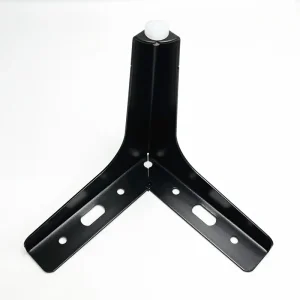
In North America, high-end residential projects often feature thick, heavy solid wood cabinet doors. This weight places significant stress on the hardware, requiring heavy-duty adjustable iron supporting feet and robust, multi-spring rebound devices that can push open heavier panels.
Guangdong Xianghui is a company with strong potential for long-term development, boasting a wide service range and possessing sustainable competitive advantages in technology, brand, and industry. As a leading supplier of furniture hardware, backboards, hair straighteners and hangers, we pride ourselves on providing high-quality products that meet the diverse needs of our customers.
Our range of furniture hardware includes a wide range of accessories and fixtures designed to enhance the functionality and beauty of your furniture. From drawer slides and hinges to knobs and handles, we offer solutions that meet the highest standards of durability and performance. Our commitment to quality ensures that our customers can rely on our products for lasting satisfaction.
In terms of technology, Guangdong Xianghui utilizes advanced automated production equipment and innovative process technology to produce higher quality products that better meet customer needs.
The brand strength of Guangdong Xianghui is derived from multiple certifications and the recognition of customers worldwide. The company prioritizes customer-centric problem-solving and wholeheartedly serves its clients, earning the satisfaction and recognition of both new and existing customers.
Within the furniture hardware accessories industry, Guangdong Xianghui has established a certain level of credibility and has maintained long-term partnerships with major brands such as DTC, Hettich, Norma, and Quanyou.
The company emphasizes its ability to innovate in the context of rapid technological advancement, focusing on how to use new technologies to create unique products or services and improve efficiency and profitability through small-scale organization and flexible cost control.
 Xianghui