Industrial-grade solutions engineered to ensure door straightness and seamless kinetic control.

Modern architectural layouts heavily emphasize slab-style, floor-to-ceiling cabinet doors. While visually striking, these large-format structures introduce complex mechanical challenges. Wood panels, high-density fiberboards (HDF), and medium-density fiberboards (MDF) are continuously subjected to localized climatic deltas, humidity fluctuations, and physical shear stress. Without advanced tension compensation mechanisms, deformation is inevitable.
Warping is primarily driven by hygroscopic expansion differences between the outer face and inner core of the door panel. When humidity rises, untreated composite materials swell unevenly. For a cabinet manufacturer, a deviation of even 1.5mm across a 2.4-meter span can prevent soft-close hinges from latching correctly or stop push-to-open rebounders from actuating. This is where linear structural compensation comes into play.
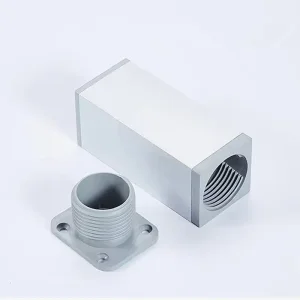
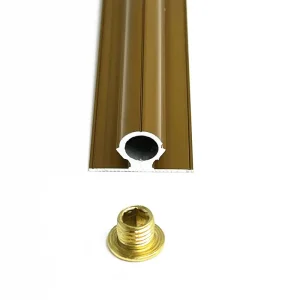
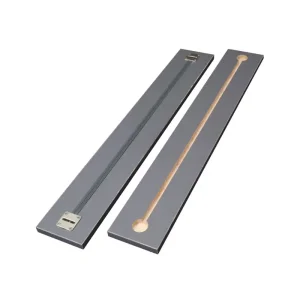
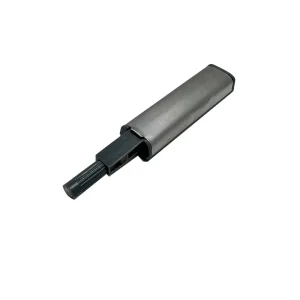
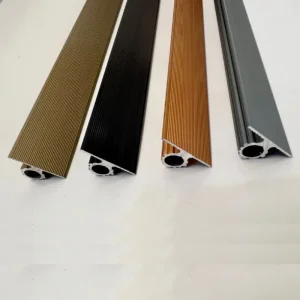
Using anti-deformation straighteners (such as the Italian-style carbon steel straightener or Chenglang Type A) provides an internal mechanical spine. By routing a tension-adjustable rod into the backside of the cabinet door, manufacturers can adjust the compression tension using hex-screw anchors to counter-act wood shrinkage or ambient humidity expansion. This ensures that the door panel remains perfectly plumb, protecting the aesthetic integrity of high-end millwork.
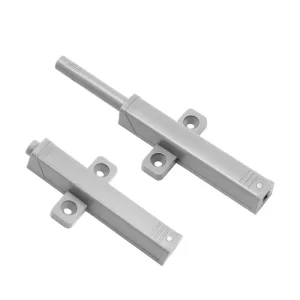
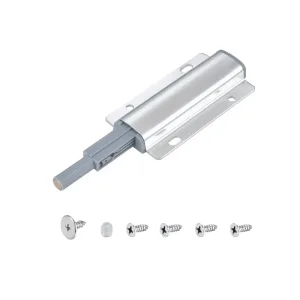
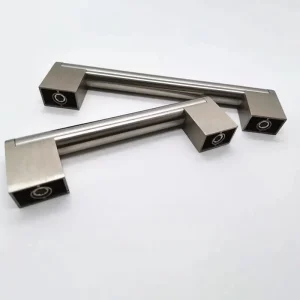
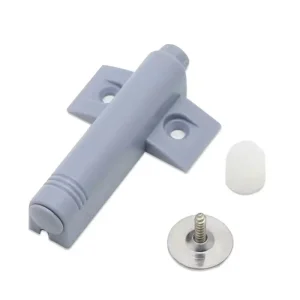
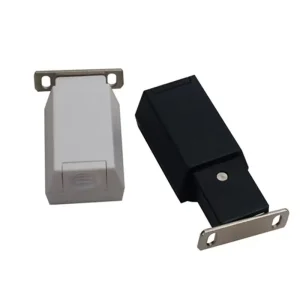
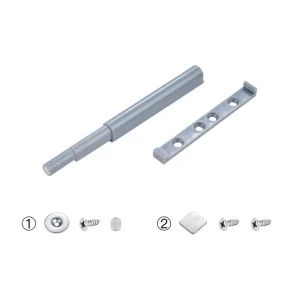
The contemporary demand for minimalist facades has catalyzed a paradigm shift from physical handles to invisible mechanical actuation. Rebound systems (or magnetic bouncers) must bridge the gap between strong retaining forces and high rebound ejection strokes. High-quality bouncers employ heavy-duty internal compression springs and tempered steel wear-surfaces to guarantee reliable kinetic feedback.
To design a flawless touch-rebound sequence, cabinet engineers must balance two contradictory forces: the force required to compress the internal spring during door closure, and the dynamic ejection stroke required to throw the door panel past the magnetic catch angle. Modern push-type magnetic bouncers utilize dual-spring structures and magnetic tips with adjustable stand-offs. This allows fine-tuning of the reveal gaps between panels down to fractions of a millimeter.
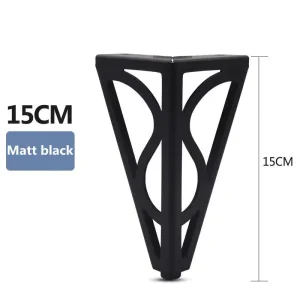
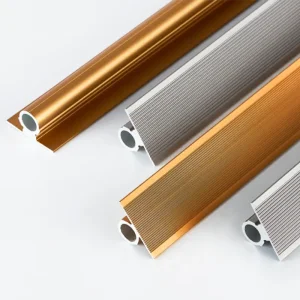
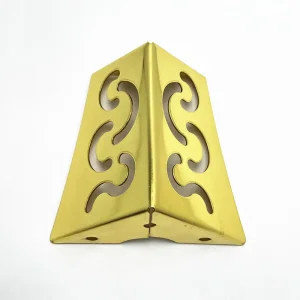
Cabinet design is not merely about vertical planes; it is also about foundation load distribution. Heavy kitchen and bathroom cabinetry relies on metal furniture support legs that must withstand static shear loads and prevent moisture-induced galvanic corrosion. Chromed iron and high-strength aluminum alloy extrusions represent the industrial benchmark.
Components like the square aluminum alloy furniture legs and electroplated chrome feet are designed using finite element analysis (FEA) to maximize load distribution across thin wall sections. Electroplated finishes must pass rigorous neutral salt spray (NSS) testing to ensure that bathroom humidity or cleaning detergents do not degrade the metallic structure over time.
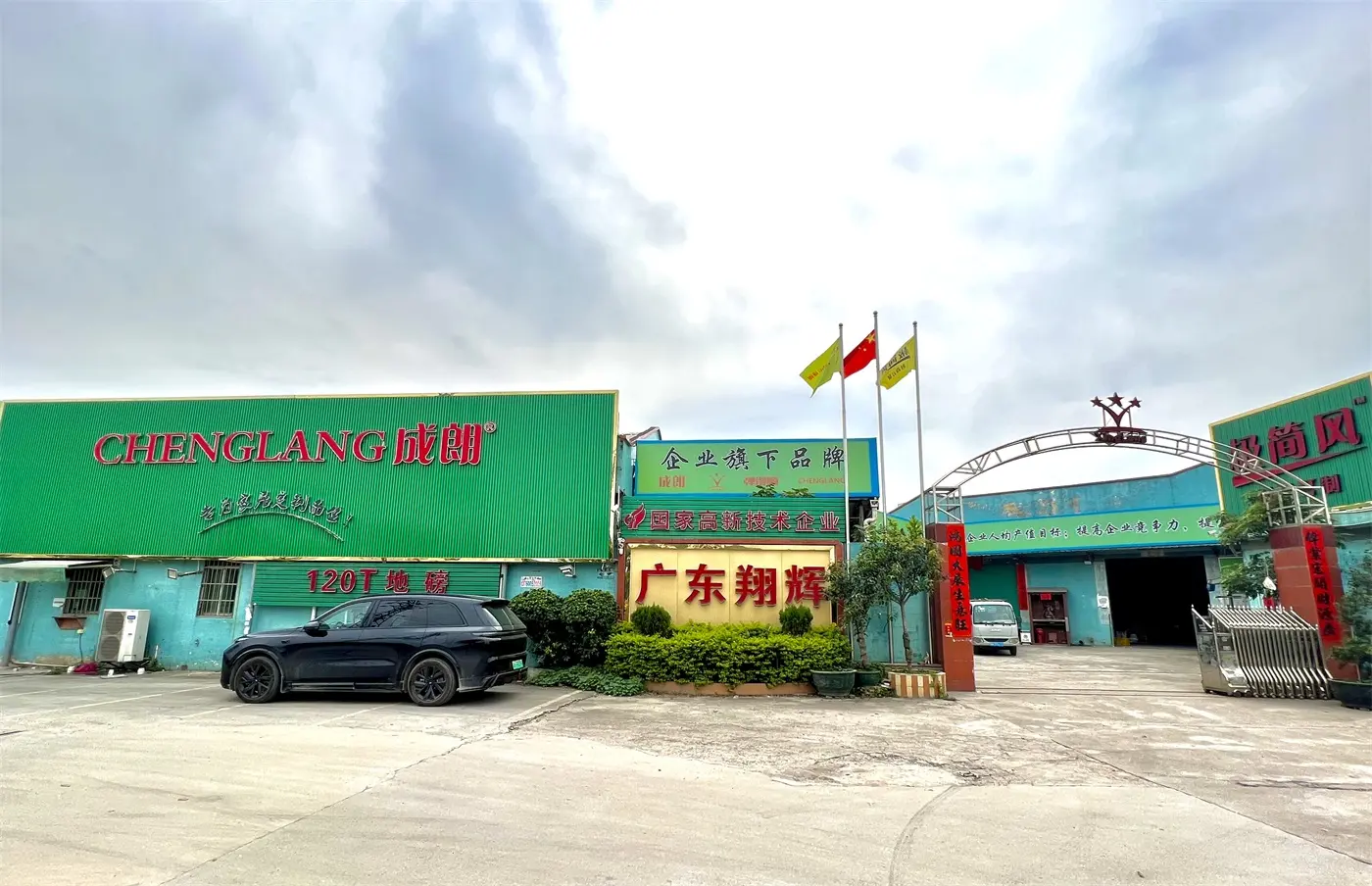
Guangdong Xianghui is a company with strong potential for long-term development, boasting a wide service range and possessing sustainable competitive advantages in technology, brand, and industry. As a leading supplier of furniture hardware, backboards, hair straighteners, and hangers, we pride ourselves on providing high-quality products that meet the diverse needs of our customers worldwide.
Our range of furniture hardware includes a wide range of accessories and fixtures designed to enhance the functionality and beauty of your furniture. From drawer slides and hinges to knobs and handles, we offer solutions that meet the highest standards of durability and performance. Our commitment to quality ensures that our customers can rely on our products for lasting satisfaction.
Establishing industry benchmarks through engineering excellence, automation, and global brand alliances.
In terms of technology, Guangdong Xianghui utilizes advanced automated production equipment and innovative process technology to produce higher quality products that better meet customer needs.
The brand strength of Guangdong Xianghui is derived from multiple certifications and the recognition of customers worldwide. We prioritize customer-centric problem-solving and serve our clients wholeheartedly.
Within the furniture hardware accessories industry, Guangdong Xianghui has established a high level of credibility and has maintained long-term partnerships with major brands such as DTC, Hettich, Norma, and Quanyou.
Our focus on utilizing new technologies to create unique products enables us to improve efficiency and profitability for our clients through small-scale organization and flexible cost control.
How we guarantee seamless international procurement, quality control, and regulatory compliance.
For mid-to-large-scale cabinet manufacturers in North America and the European Union, compliance with environmental and material safety regulations is mandatory. Our manufacturing processes utilize raw materials that comply with the EU’s REACH and RoHS certifications. We source premium-grade carbon steel and aluminum alloys that ensure structural load ratings without outgassing hazardous substances.
Furthermore, our surface coating techniques, including the electroplating chrome processes applied to our furniture legs, minimize chemical waste and comply with international ecological standards. This enables global manufacturers to incorporate our components directly into eco-certified residential or commercial builds without risking compliance failures.
We provide localized engineering support by offering customized mechanical modifications. Whether a manufacturer requires custom-length door straighteners for unique wardrobe dimensions or custom spring force tolerances for specialized rebound switches, our engineering department delivers rapid prototyping and CAD validation. We ensure all custom hardware integrations drop seamlessly into your existing CNC machining templates.
Previewing the next decade of intelligent kinetic systems, dampening innovations, and structural designs.
Developing hybrid mechanical-magnetic dampeners that auto-calibrate closing speeds based on door panel mass, ensuring smooth deceleration across various sizes.
Pioneering eco-friendly surface treatments that substitute traditional plating with bio-derived polymer protective coatings, meeting strict environmental criteria.
Next-generation straighteners will integrate tension sensors that visually indicate when adjustments are required, simplifying routine home maintenance.
Addressing critical engineering questions from cabinet manufacturing teams and OEM procurement specialists.
Maintain structural alignment and smooth operation across all furniture styles.
 Xianghui