Explore our industrial-grade, certified furniture hardware accessories engineered for heavy-duty load bearing, smooth structural operation, and extreme durability in highly humid environment spaces.
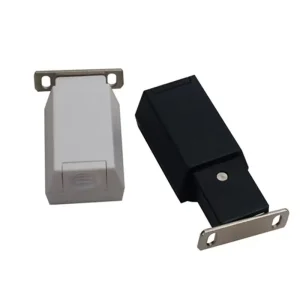
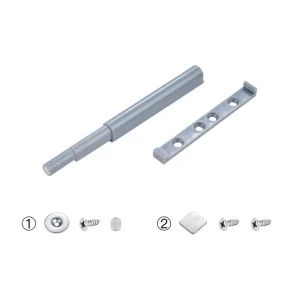
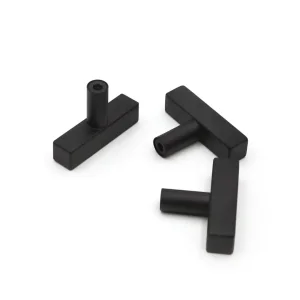
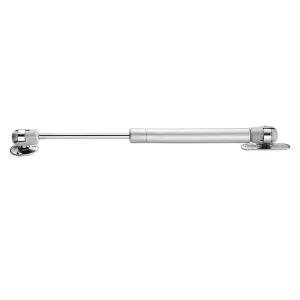
Guangdong Xianghui is a company with strong potential for long-term development, boasting a wide service range and possessing sustainable competitive advantages in technology, brand, and industry. As a leading supplier of furniture hardware, backboards, hair straighteners and hangers, we pride ourselves on providing high-quality products that meet the diverse needs of our customers.
Our range of furniture hardware includes a wide range of accessories and fixtures designed to enhance the functionality and beauty of your furniture. From drawer slides and hinges to knobs and handles, we offer solutions that meet the highest standards of durability and performance. Our commitment to quality ensures that our customers can rely on our products for lasting satisfaction.
We leverage advanced automated metallurgy and precision stamping techniques to ensure every component complies with strict global industry tolerances. From commercial kitchen developers to high-volume residential furniture brands, Guangdong Xianghui offers reliable, high-end production capability designed for standard-setting architectural design projects.
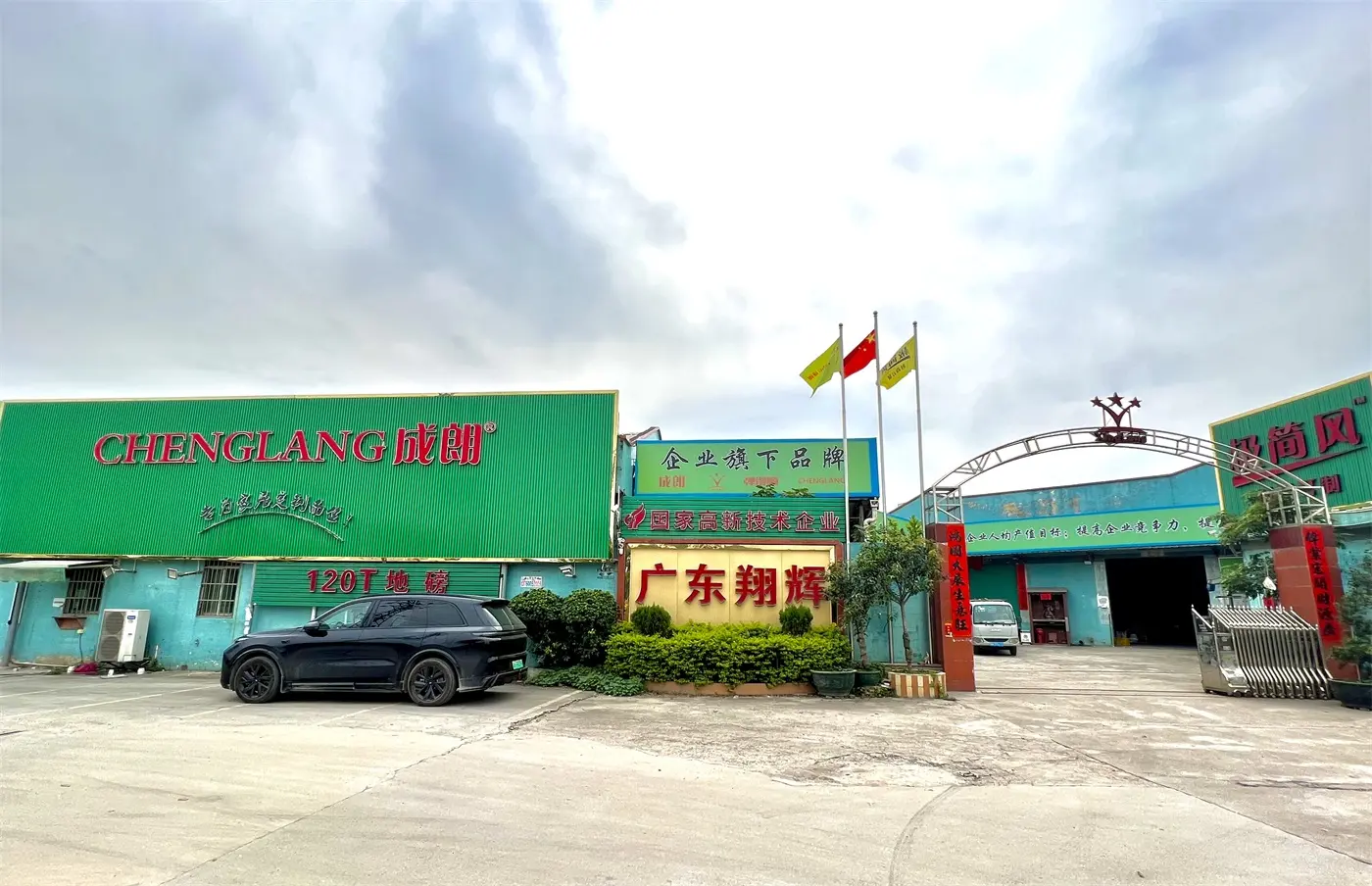
Partner with an industry-recognized hardware pioneer dedicated to streamlining your manufacturing pipelines, reducing costs, and maximizing final product durability.
In terms of technology, Guangdong Xianghui utilizes advanced automated production equipment and innovative process technology to produce higher quality products that better meet customer needs.
The brand strength of Guangdong Xianghui is derived from multiple certifications and the recognition of customers worldwide. The company prioritizes customer-centric problem-solving and wholeheartedly serves its clients, earning the satisfaction and recognition of both new and existing customers.
Within the furniture hardware accessories industry, Guangdong Xianghui has established a certain level of credibility and has maintained long-term partnerships with major brands such as DTC, Hettich, Norma, and Quanyou.
The company emphasizes its ability to innovate in the context of rapid technological advancement, focusing on how to use new technologies to create unique products or services and improve efficiency and profitability through small-scale organization and flexible cost control.
The global kitchen cabinet hardware industry has shifted away from purely decorative accessories towards complex, performance-driven mechanics. Estimated to exceed several billion USD globally, the market is powered by two distinct macro-trends: the rapid growth of high-density urban residential buildings requiring micro-living solutions, and a massive wave of renovations targeting integrated, handle-free aesthetics. In regions such as North America, Europe, and developed parts of the Asia-Pacific, modular kitchen frameworks demand structural hardware that can guarantee load capacity and corrosion resistance over decades of daily operations.
Advanced kitchens function in harsh microclimates, where humidity levels spike rapidly, and chemical exposure from food preparation and cleaning agents is constant. Consequently, modern B2B buyers—ranging from high-volume cabinet makers to large real estate developers—look beyond simple aesthetics. They seek specialized alloys, such as 6063-T5 extruded aluminum and high-tensile steel, which are treated with advanced protective processes like anodization, passivated electroplating, and powder coating. Suppliers who control their raw materials and possess automated finishing technology gain a competitive edge by delivering components that prevent premature mechanical failure and oxidation.
The contemporary architectural movement emphasizes clean, uninterrupted lines. This has accelerated the phase-out of traditional exposed hinges and handles, replacing them with concealed solutions. We are witnessing three dominant trends reshaping kitchen manufacturing pipelines:
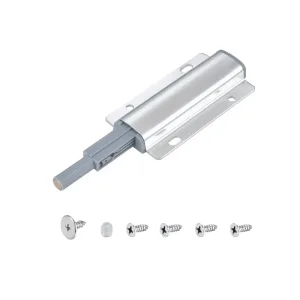
By integrating door straighteners and heavy-duty magnetic rebounders directly into the factory cabinet design phase, manufacturers can reduce post-installation warranty claims by up to 82%. This structural foresight improves long-term reliability and elevates brand reputation among contractors and end-users alike.
The localized implementation of kitchen hardware varies based on regional design practices and environmental challenges:
How Guangdong Xianghui integrates smart manufacturing and material science to meet the demands of tomorrow's kitchen environments.
Deploying fully automated assembly lines for magnetic rebounders and cabinet legs. This step reduces dimensional tolerance limits to ±0.05mm, ensuring consistent mechanical feel and smooth performance across high-volume production runs.
Phasing out hazardous hexavalent chromium coatings in favor of physical vapor deposition (PVD) finishes and eco-friendly anodization. These technologies improve salt-spray resistance while aligning with European and North American environmental import regulations.
Developing soft-close mechanisms that adjust rebound speed based on closing speed and door weight. These systems help prevent slams and wear, even on custom, heavy cabinet doors.
Find clear answers to common questions about selecting, installing, and maintaining professional kitchen cabinet hardware.
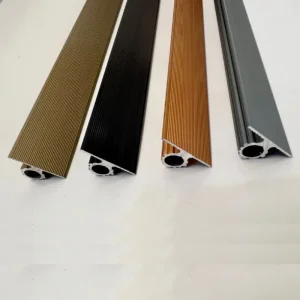
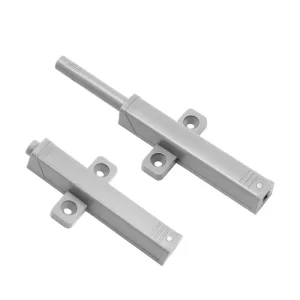
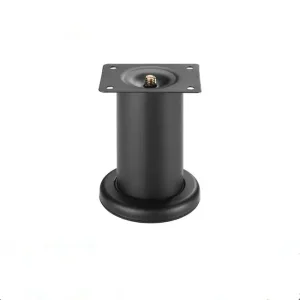
Select from our specialized door straighteners, heavy-duty magnetic latches, and structural support leg systems to optimize the lifetime value of your cabinetry installations.
 Xianghui