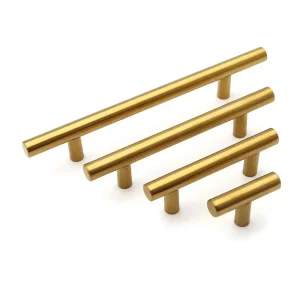
Within modern interior architecture and global B2B supply chains, kitchen cabinet hardware has transitioned from simple utilitarian devices to critical touchpoints of ergonomic utility and aesthetic differentiation. Global real estate development, urban residential optimization projects, and commercial hospitality demands have collectively accelerated the need for high-end kitchen cupboard door knobs. Today's global procurement strategies emphasize not only visual designs but also metallurgical durability, functional longevity, and compliance with stringent environmental standards like RoHS and REACH.
Globally, Europe, North America, and the Asia-Pacific region lead the demand for cabinet hardware. While European markets strongly demand minimalist, concealed, and high-precision mechanical features (such as soft-close mechanisms and sleek profiles), North American B2B buyers focus on heavy-duty construction, classic zinc alloy die-cast structures, and robust electroplated finishes capable of surviving high-moisture environments. The ability to supply a diverse, reliable product range is the standard that separates world-class hardware factories from regional component suppliers.
The dominance of Chinese factories in the kitchen cabinet door knob and hardware sector is built on advanced technology, complete raw material supply chains, and highly integrated production ecosystems. Industrial hubs in Guangdong Province—specifically the Foshan and Shunde regions—provide an unmatched raw material, design, tooling, and surface treatment infrastructure.
Rather than relying on outsourced operations, advanced Chinese factories utilize fully integrated vertical manufacturing setups. This includes:
Guangdong Xianghui is a company with strong potential for long-term development, boasting a wide service range and possessing sustainable competitive advantages in technology, brand, and industry. As a leading supplier of furniture hardware, backboards, hair straighteners and hangers, we pride ourselves on providing high-quality products that meet the diverse needs of our customers.
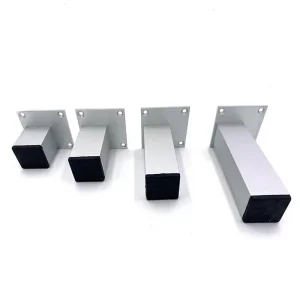
Our range of furniture hardware includes a wide range of accessories and fixtures designed to enhance the functionality and beauty of your furniture. From drawer slides and hinges to knobs and handles, we offer solutions that meet the highest standards of durability and performance. Our commitment to quality ensures that our customers can rely on our products for lasting satisfaction.
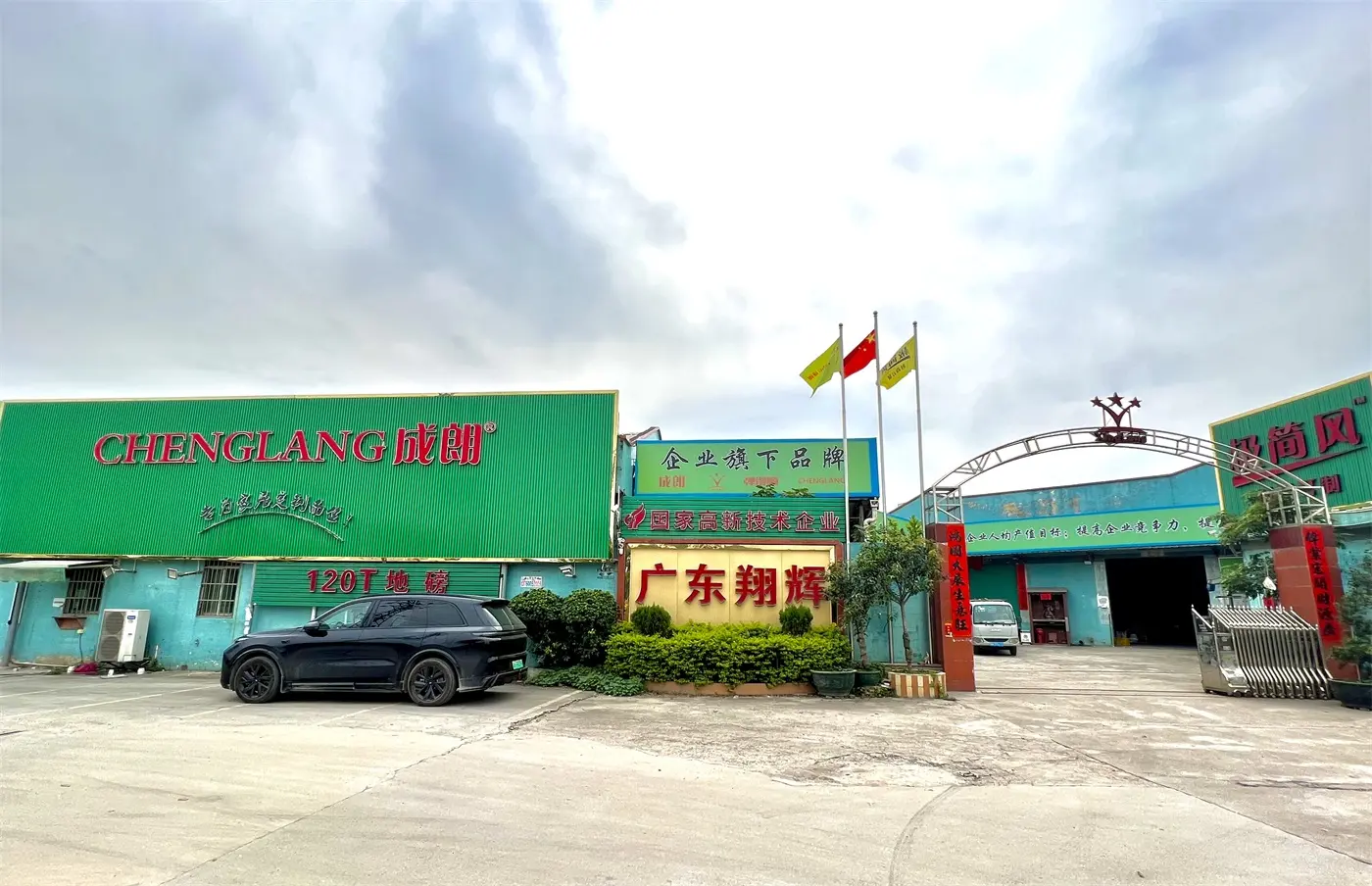
In terms of technology, Guangdong Xianghui utilizes advanced automated production equipment and innovative process technology to produce higher quality products that better meet customer needs.
The brand strength of Guangdong Xianghui is derived from multiple certifications and the recognition of customers worldwide. The company prioritizes customer-centric problem-solving and wholeheartedly serves its clients, earning the satisfaction and recognition of both new and existing customers.
Within the furniture hardware accessories industry, Guangdong Xianghui has established a certain level of credibility and has maintained long-term partnerships with major brands such as DTC, Hettich, Norma, and Quanyou.
The company emphasizes its ability to innovate in the context of rapid technological advancement, focusing on how to use new technologies to create unique products or services and improve efficiency and profitability through small-scale organization and flexible cost control.
Architectural hardware requirements vary significantly across different functional environments and geographic regions. Professional kitchen cupboard door knobs are engineered with specific material combinations, weight parameters, and thread specifications to ensure compatibility and ease of installation.
Requires heavy, solid metals such as solid brass or high-density Zamak-5 zinc alloys. Key finishes include Physical Vapor Deposition (PVD) gold, antique brushed bronze, and satin nickel. These hardware components are designed to withstand frequent daily use, high humidity, and direct contact with food oils.
Requires high-durability SUS304 or SUS316 stainless steel knobs with high corrosion resistance. Surface finishes are typically brushed or satin to hide fingerprints and smudge marks. Products must pass 100,000+ opening/closing cycle tests.
Highly optimized for mass assembly and cost-efficiency. Aluminum alloys (such as 6063-T5) or hollow-core stainless steel configurations are preferred. Standardized metric M4 thread holes are required for direct compatibility with global RTA (Ready-To-Assemble) furniture components.
| Material Classification | Common Finish Techniques | Corrosion Resistance (Salt Spray Test) | Tensile Strength Rating | Primary Commercial Use Cases |
|---|---|---|---|---|
| Solid Brass (C3604 Grade) | PVD, Satin Brass, Hand-burnished Antique | Up to 480 Hours (ASTM B117) | High (380-450 MPa) | Premium Custom Cabinetry, Bespoke Design Projects |
| Zinc Alloy (Zamak 3 / Zamak 5) | Electroplating (Satin Chrome, Matte Black, Nickel) | 240 to 360 Hours (ASTM B117) | Medium-High (280-330 MPa) | Volume Residential Development, Modular Office Furniture |
| Stainless Steel (SUS 304 / 316) | Satin Brushed, Mirror Polished | 480+ Hours (ASTM B117) | Very High (500+ MPa) | High-Traffic Commercial Buildings, Food Preparation Areas |
| Aluminum Alloy (6063-T5) | Anodized, Powder Coated | 96 to 120 Hours (ASTM B117) | Medium (150-200 MPa) | Cost-sensitive Kitchen Lines, Lightweight RTA Cabinets |
For sourcing managers, commercial distributors, and real estate procurement teams, importing hardware from an overseas factory requires careful risk management. The total cost of ownership goes beyond the unit price. It includes mold tooling costs, compliance risks, lead time delays, and product quality deviations. Partnering with a supplier that maintains ISO 9001:2015 quality management systems and offers transparent raw material certification minimizes supply chain risks.
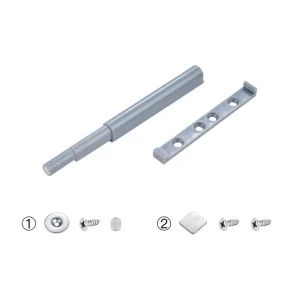
Our partnership framework with top hardware brands like DTC, Hettich, Norma, and Quanyou shows our capability to meet complex design standards. Whether manufacturing custom zinc alloy handles or invisible magnetic rebound devices, our production lines undergo strict quality inspections at every step:
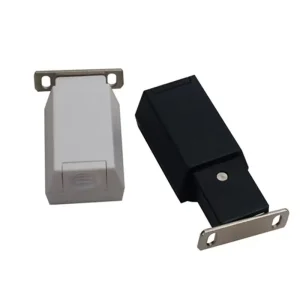
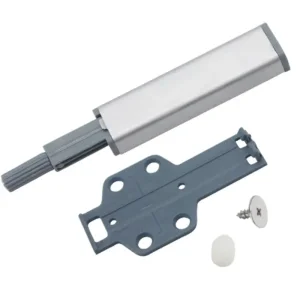
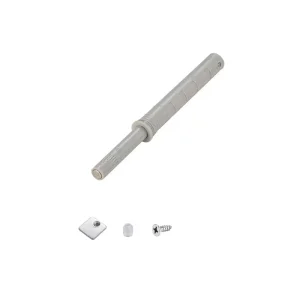
The hardware industry is shifting toward two main design trends: smart integration and environmental sustainability. Modern minimalist designs have increased the demand for handleless cabinetry. This relies on high-quality rebound devices, magnetic touch latches, and integrated structural straighteners to keep cabinet doors aligned over time.
At the same time, green building certifications like LEED have made sustainable manufacturing a key requirement. Global buyers prefer factories that use eco-friendly processes, such as zero-discharge wastewater electroplating, recycled aluminum extrusions, and lead-free brass formulations. Guangdong Xianghui continues to invest in clean energy, automated packaging, and sustainable material supply chains to ensure our B2B partners stay ahead of changing environmental regulations.

 Xianghui