
Guangdong Xianghui is an enterprise featuring robust capabilities for long-term development. We boast an extensive industrial footprint and maintain deep-seated competitive advantages in proprietary engineering technologies, brand prestige, and strategic supply chain integration. As a premier manufacturer of high-end furniture hardware, panel straighteners, backboards, and storage configurations, we are committed to engineering products that resolve core durability issues for residential and commercial spaces.
Our expansive hardware catalog covers structurally critical components designed to elevate structural integrity, load-bearing capacities, and movement mechanics. From advanced drawer slides and hinges to decorative pulls and anti-deformation support components, we execute production protocols adhering to the absolute limits of mechanical stability. Our manufacturing ecosystem ensures that architectural projects, furniture brands, and distributors receive components ready for multi-decade deployment.
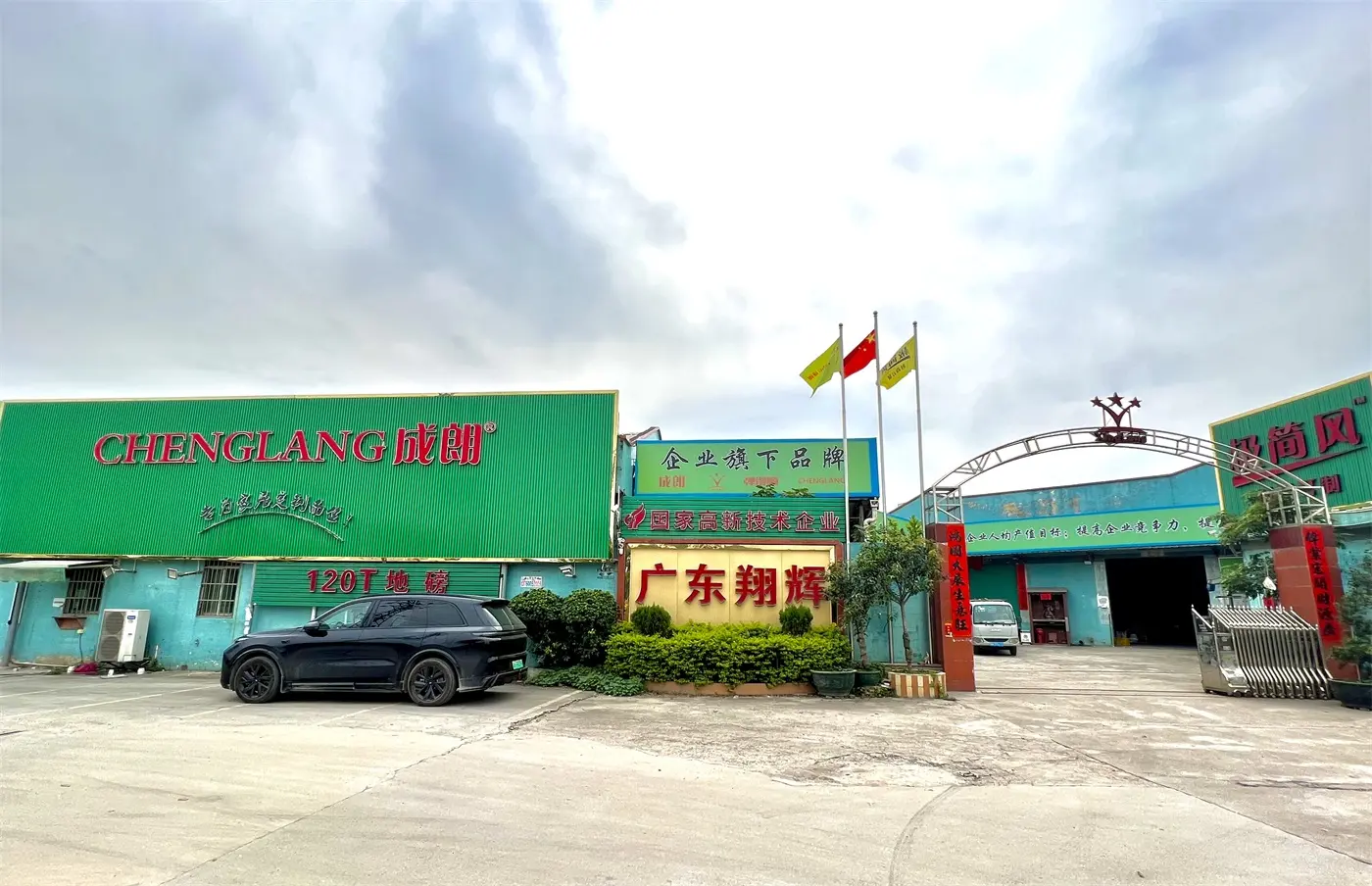
Leveraging decades of mechanical manufacturing experience, we operate at the intersection of automation, metallurgical science, and cost-efficiency.
We deploy high-capacity progressive stamping dies, automated multi-axis CNC machining complexes, and automated electroplating lines to ensure tight tolerances (+/-0.05mm) across production runs.
Our brand credibility is cemented by international quality system audits. We serve a global customer base by addressing mechanical defects pre-emptively, securing structural longevity.
We operate as a primary OEM partner alongside leading hardware brands like DTC, Hettich, Norma, and Quanyou, supporting projects with global standards.
Our dedicated engineering department continuously tests new surface treatments and mechanical configurations, enhancing corrosion resistance and static load capacities.
SGS / ISO Certified Quality
Daily Component Capacity
Standard Salt Spray Resistance
Exporting Countries & Regions
In modern kitchen construction, components must withstand high mechanical stress, variable moisture levels, and chemical exposure from cleaning agents. The durability of cabinets depends on the quality of their underlying hardware. As architectural requirements move toward floor-to-ceiling cabinetry, hardware manufacturers must focus on material science and structural engineering to prevent failures like panel warpage, hinge fatigue, and structural sagging.
"Underestimating the importance of structural hardware in high-humidity zones like kitchens and bathrooms often leads to panel warping and alignment failures. Specifying correct-grade alloys is critical for longevity." — Chief Quality Engineer, Guangdong Xianghui
The choice between Stainless Steel 304, Stainless Steel 201, and Carbon Steel depends on the operating environment. SUS304 contains 18% Chromium and 8% Nickel, offering high resistance to pitting corrosion in humid kitchen settings. SUS201 replaces part of the nickel with manganese, offering a cost-effective alternative for drier climates, though it requires protective surface coatings for damp environments.
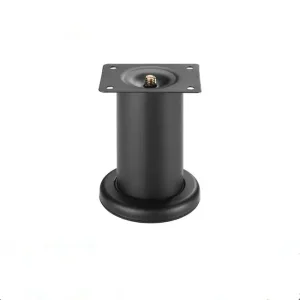
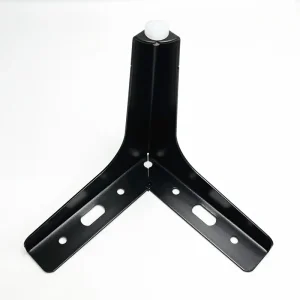
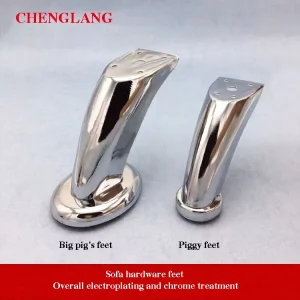
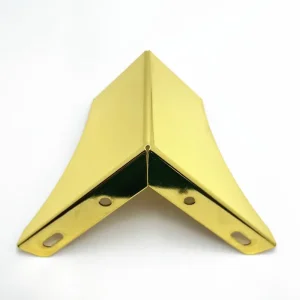
For structural supports like cabinet feet, high-strength carbon steel is preferred for its load-bearing capacity. When processed using multi-layer electroplating—including copper base coats, nickel barrier layers, and chrome topcoats—carbon steel components can achieve over 96 hours of neutral salt spray testing (NSS), matching the corrosion resistance of stainless alloys at a lower cost.
| Material Grade | Tensile Strength (MPa) | Salt Spray Resistance (NSS) | Primary Application Area | Cost Efficiency Index |
|---|---|---|---|---|
| SUS304 Stainless Steel | ≥ 515 | 120+ Hours | Coastal projects, Premium wet areas | Premium / Long-term Value |
| SUS201 Stainless Steel | ≥ 685 | 48 - 72 Hours | Standard dry cabinets, Wardrobes | Balanced / Mid-Range |
| Engineered Carbon Steel (Plated) | 370 - 500 | 96 Hours (Electroplated) | Heavy-duty support feet, brackets | High Efficiency / Structural |
| Die-Cast Zinc Alloy (Zamak 3/5) | 280 - 330 | 72 Hours (Passivated) | Decorative pulls, complex connectors | Custom Shapes / Moderate Cost |
As modern interior design shifts toward minimalist, floor-to-ceiling cabinet doors (often exceeding 2.4 meters), vertical door panels face increased warping risks. Wood-based composites like MDF, particle board, and plywood are sensitive to environmental shifts, where humidity differences between the inner and outer faces of the door can cause panel deflection.
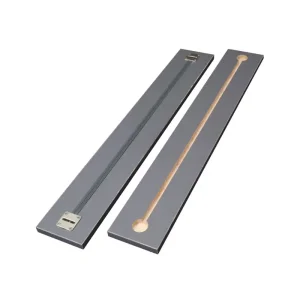
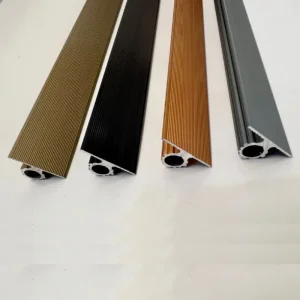
Italian-style door straighteners help prevent and correct this deformation. These systems consist of a tension rod housed in a milled slot on the back of the panel. By adjusting the internal turnbuckle, installers can apply counter-tension to correct up to 10mm of warpage. Our straighteners utilize high-strength carbon steel rods enclosed in rigid anodized aluminum profiles, ensuring stable mechanical correction over the lifespan of the cabinet.
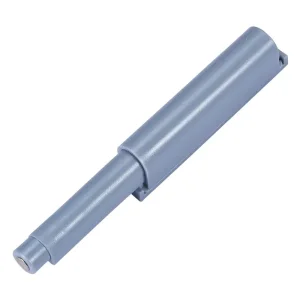
Modern minimalist kitchens often eliminate external pulls, relying on mechanical push-to-open latch systems. The functionality of these systems depends on the spring mechanics and magnet strength of the rebounder. We construct our rebounders using high-grade neodymium (NdFeB) magnets to ensure positive latch engagement, preventing door drift even on larger panels.
The internal spring mechanism undergoes cyclic stress testing to meet 100,000 open-close cycles without spring relaxation. Housing components are molded from high-impact ABS engineering plastics, which resist cracking and structural fatigue under repeated impacts.
Ensuring compliance, structural safety, and efficient logistics across international distribution networks.
For B2B procurement managers, sourcing architectural hardware involves navigating regulatory standards, logistics, and quality assurance. Our manufacturing processes align with major international certifications, ensuring that products exported to North America, the European Union, and Asia-Pacific meet local building codes.
We implement strict quality gates from raw material reception to packaging. Heavy-duty support feet, cabinet handles, and structural components are packed in humidity-controlled environments to prevent oxidation during ocean transit. Our factory in Guangdong offers streamlined logistics, located near major deep-water ports (Shenzhen and Guangzhou) to minimize lead times and optimize container shipping configurations.
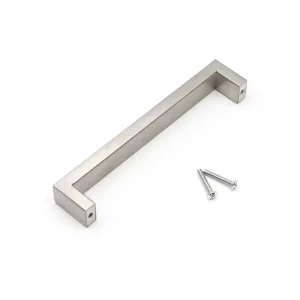
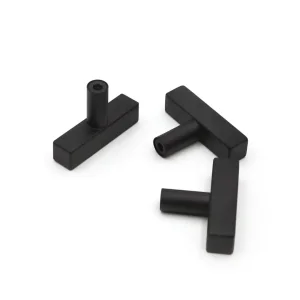
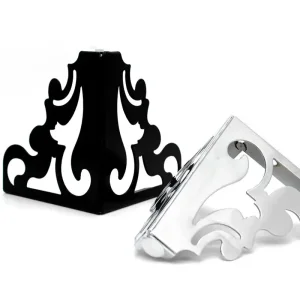
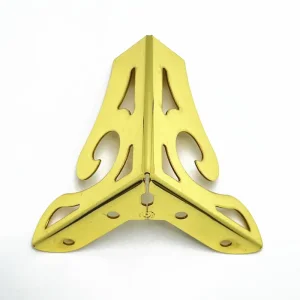
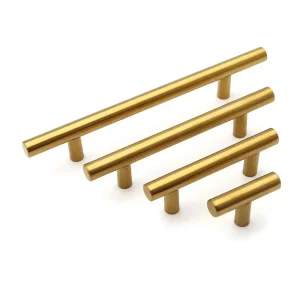
Additionally, we offer customized OEM and ODM solutions to meet specific client needs. Whether modifying the load-bearing rating of adjustable cabinet legs or producing customized finishes like brushed gold, champagne bronze, or matte black, our engineering team works directly with client specifications to deliver high-performance hardware.
By partnering with established raw material suppliers, we maintain stable pricing even during fluctuations in the global metal markets, providing our international partners with predictable procurement costs.
To prevent rust, we specify high-grade alloys such as SUS304 stainless steel or execute multi-layer electroplating on steel. Our standard electroplating process involves a copper base layer, a nickel barrier layer, and a final chrome or gold decorative layer. This multi-layered structure seals the base metal, preventing oxygen and moisture from initiating oxidation.
These straighteners use an adjustable tension rod inserted into a pre-milled groove on the rear of the cabinet door. As environmental conditions shift, the wood fibers may contract or expand, causing the panel to bend. By turning the central adjustment nut of the straightener, you apply mechanical tension that counteracts the bending force, pulling the door panel back to a flat position.
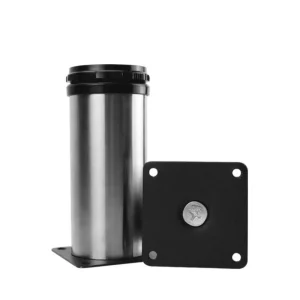
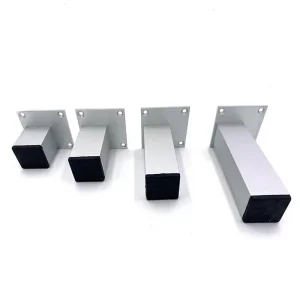
Our heavy-duty adjustable stainless steel cabinet feet are engineered to support static loads of up to 250 kg per leg (1,000 kg for a set of four). This capacity is achieved through thick-walled metal tubes, reinforced internal threading, and wide mounting plates that distribute weight evenly.
We utilize automated manufacturing lines equipped with real-time sensors and automated inspection systems. Each production batch undergoes strict quality control, including tensile testing, dimensional analysis, and salt spray testing, to verify compliance with technical specifications.
Yes, we provide full OEM and ODM services. Our engineering team can customize dimensions, material grades, load ratings, and finishes—such as brushed gold, matte black, and satin nickel—to match specific design requirements and structural parameters.
Our rebounders are tested for durability and performance. They undergo automated cyclic testing up to 100,000 cycles to evaluate spring fatigue and magnet durability, ensuring the door remains securely closed and opens reliably over years of use.
For standard catalog items, the production lead time is typically 25 to 30 days. Custom OEM/ODM orders requiring new tooling or custom finishes may require 40 to 45 days, depending on the complexity of the design and materials.
We use multi-layer protective packaging for international shipments. Individual pieces are wrapped in anti-static, moisture-resistant film and packed in heavy-duty cardboard boxes. For ocean freight, pallets are securely shrink-wrapped with desiccants to control humidity within the container.
 Xianghui