 Xianghui
Architectural Metal Table Legs & Systems: The Ultimate Wholesale & Manufacturing Blueprint
In contemporary architectural design, the integration of structural strength and minimalist aesthetics is paramount. As primary touchpoints in offices, luxury hospitality environments, and high-end residential projects, tables must satisfy strict structural standards. Choosing a high-volume, reliable factory for wholesale modern tables with metal legs requires an in-depth understanding of metallurgy, load distribution, eco-compliant coating techniques, and supply chain scalability.
1. Material Selection and Structural Engineering for Modern Metal Legs
Industrial-grade furniture components must withstand vertical compression, shear forces, and long-term cyclic loading. Manufacturers utilize varying alloys, structural profiles, and cross-sections depending on the final application scenario:
- Cold-Rolled Carbon Steel: Ideal for precision bending, seamless laser cutting, and complex geometric structures. It provides exceptional tensile strength for heavy-duty office conference tables.
- Stainless Steel (Grade 201 & 304): Highly recommended for cleanrooms, high-humidity environments, and premium commercial applications where corrosion resistance is essential. High-purity Grade 304 steel contains at least 18% chromium and 8% nickel, ensuring complete oxidation prevention.
- Die-Cast Aluminum Alloys: Offering a high strength-to-weight ratio, die-cast aluminum is the premium option for modular task desks that require intricate wire-management cavities and lightweight maneuverability.
2. High-Tech Surface Finishes: Achieving Aesthetic Excellence and Corrosion Resistance
The durability of metal legs is directly linked to their surface treatment chemistry. Inferior finishes lead to moisture intrusion, micro-scratching, and early paint flaking. Our automated production line utilizes advanced finishing methods:
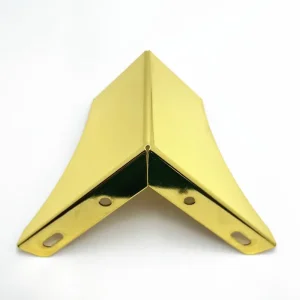
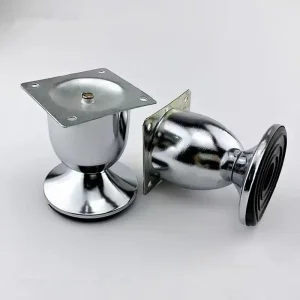
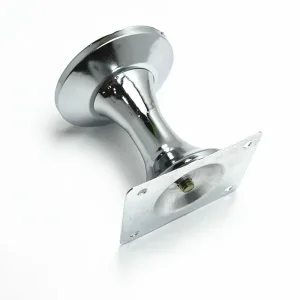
- Electroplated Chrome & PVD Gold Coatings: High-vacuum Physical Vapor Deposition (PVD) yields an ultra-thin, highly dense coating. This molecular bond matches or exceeds the hardness of tempered steel, providing superior resistance to chemical abrasion.
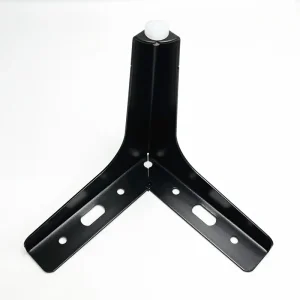
- Electrostatic Powder Coating: Utilizing dry, solvent-free thermoplastic polymer resins that are electrostatically applied and cured under intense heat. This process creates a thick, uniform finish with superior impact resistance compared to standard liquid paints.
- Brushed & Satin Finishes: Precision mechanical grinding followed by chemical passivating seals the metal grain, minimizing visible fingerprints on high-traffic furniture.
3. Addressing Global B2B Procurement Pain Points and Structural Integrity
Global purchasing managers frequently navigate critical procurement challenges. Understanding how modern factories address these challenges reduces import risks:
- Load Capacity & Static Testing (BIFMA & EN Standards): Commercial-grade legs must exceed safety guidelines. Large conference table bases must support vertical loads of up to 400 lbs without structural deflection.
- Wobble and Lateral Stability: Specially designed top plates with reinforced welded gussets ensure secure connections to the tabletop, neutralizing lateral sway.
- Modular Levelers & Glide Protectors: Heavy-duty integrated leveling glides made of non-marring nylon protect high-end flooring while compensating for uneven commercial subfloors.