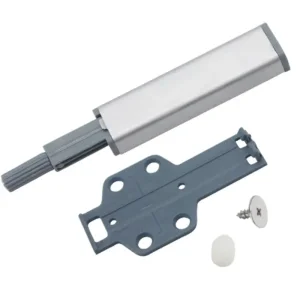
Explore our engineering-grade cabinet rebounders, support legs, and heavy-duty hardware systems designed for long-term load bearing and silent operation.
The global custom cabinetry and high-end residential kitchen design sectors are undergoing an unprecedented shift toward seamless, ultra-minimalist, handleless facades. Push-to-open or "press-to-rebound" cabinet mechanisms have graduated from luxury design novelties to structural necessities. Historically, handle-free designs were constrained by high mechanical failure rates and stiff operation. Modern engineering, however, has introduced highly responsive linear magnetic rebound devices that deliver silent, low-resistance opening commands upon direct physical compression.
Our R&D division has spent years analyzing structural fatigue points in push-open cabinet systems. Standard spring-loaded models often experience progressive force degradation. We overcome this by utilizing optimized high-carbon coil springs paired with advanced magnetic capture plates. This configuration maintains constant tension profile longevity, guaranteeing smooth touch activation for heavy tall-pantry panels, integrated wardrobes, and high-frequency pull-out drawer boxes.
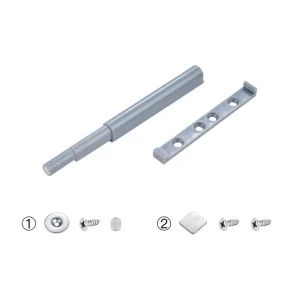
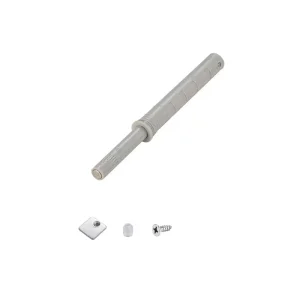
A comprehensive structural breakdown of industrial-grade cabinet magnetic and mechanical rebounders.
Choosing the correct hardware specification dictates not only the ease of assembly but also the operational lifespan of the entire cabinetry system. Industrial rebounders are categorized by their stroke length, magnetic retention force, and physical chassis composition.
For instance, concealed applications demand a sleek, recessed profile that integrates directly into the cabinet carcass carcass-bore, while surface-mounted designs require robust structural protective shells (such as high-grade engineering plastic or anodized aluminum profiles) to withstand impact force over time. Let's analyze the core components of our leading product variations:
| Model Classification | Housing Material | Stroke Length (mm) | Magnetic Force (N) | Life Expectancy (Cycles) | Ideal Application |
|---|---|---|---|---|---|
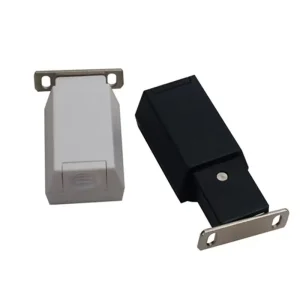
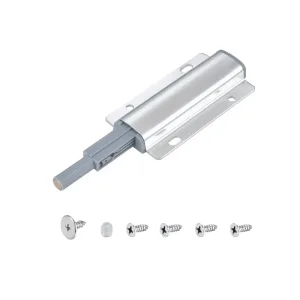
| Concealed Magnetic Rebounder | ABS + POM Polymer | 37 mm | 12 - 15 N | 50,000+ | Standard Kitchen & Drawer Cabinets |
| Heavy-Duty Aluminum Rebounder | Anodized Aluminum Alloy | 45 mm | 18 - 22 N | 80,000+ | Tall Wardrobe Doors (>2.2m Height) |
| Double-Head Push Catch | Reinforced Engineering Plastic | 28 mm | 10 N x 2 | 50,000+ | Double-Door Credenzas & Media Units |
| Concealed Drawer Ejector | POM & Steel Alloy | 20 mm | Mechanical Catch | 60,000+ | Heavy Pull-out Pantry Drawers |
Polyoxymethylene (POM) components provide incredibly low coefficients of friction, ensuring the internal piston mechanism glides without micro-stuttering or jamming over decades of continuous usage.
Integrated threaded tips allow for instantaneous depth calibration (+4mm / -1mm) after installation, helping installers achieve absolute visual alignment across expansive gap lines.
Premium NdFeB magnetic elements prevent accidental door drift-open caused by draft variations or minor base foundation settling, maintaining a flush closure alignment.
To satisfy large-scale real estate development and architectural millwork contracts, global sourcing managers prioritize three pillars of hardware performance:
High-volume distributors, project developers, and furniture manufacturing giants face complex supply chain dynamics. Relying on inconsistent secondary hardware components introduces significant warranty liabilities. Under the rigorous guidelines of international standards like EN 15570, furniture hardware must maintain physical integrity and operational consistency under repeated stress loads.
Our macro-industry solutions focus on standardizing material grade certifications and stabilizing lead times. We offer custom container-load packaging configurations, detailed CAD/BIM drawing integration for specifiers, and custom pressure-calibration options for bulk manufacturing contracts. This ensures that when products arrive on-site, they align perfectly with factory CNC cabinet cutouts, cutting labor assembly time down by up to 30%.
Furthermore, local warehouses and regional technical support agents are essential for modern just-in-time (JIT) production. By utilizing predictive warehousing models, we ensure high-running push-to-open SKUs are stocked and ready for dispatched delivery, preventing production downtime for large scale residential projects.
Your strategic engineering manufacturing partner for next-generation furniture hardware architecture.
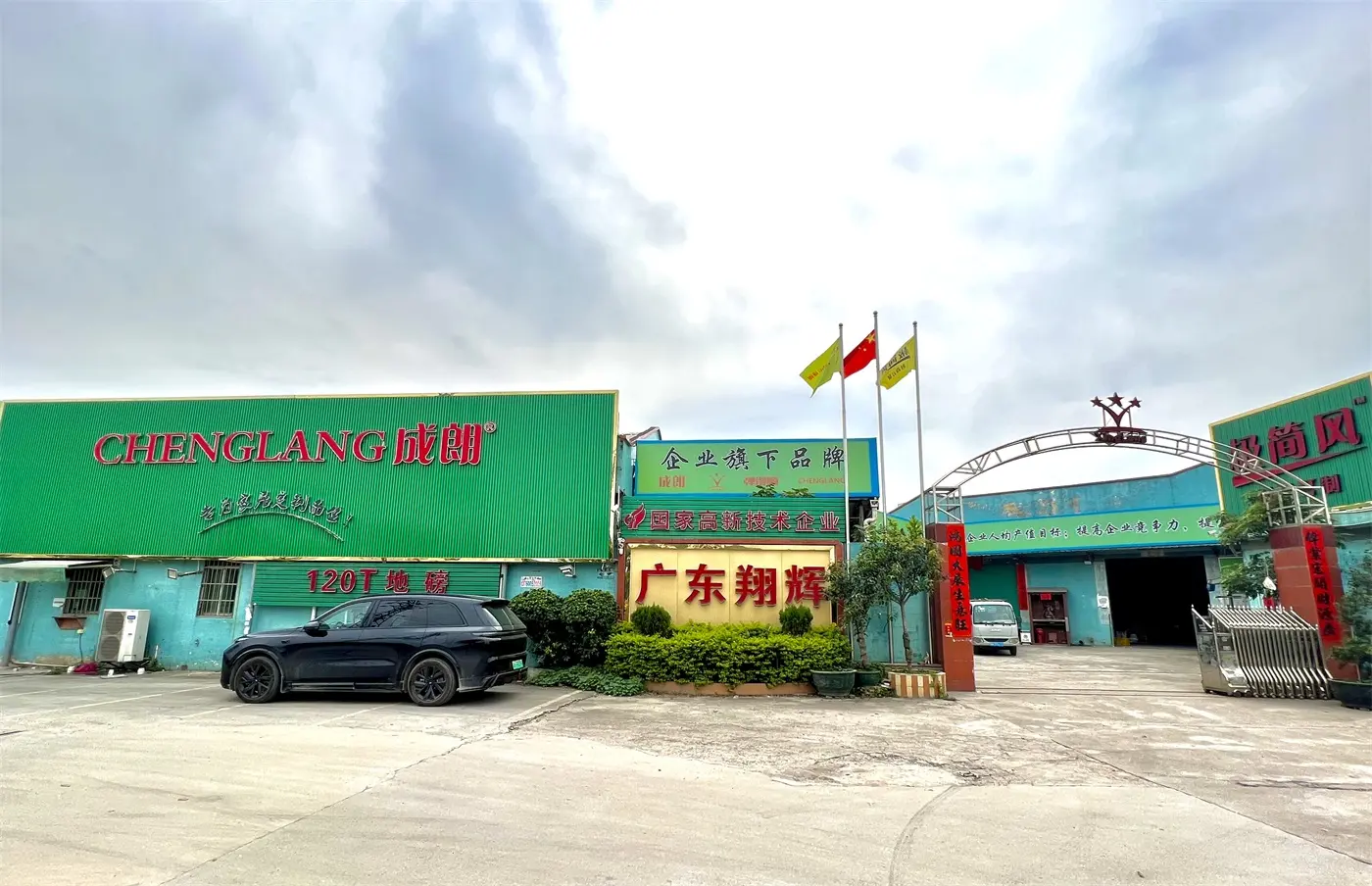
Guangdong Xianghui is a company with strong potential for long-term development, boasting a wide service range and possessing sustainable competitive advantages in technology, brand, and industry. As a leading supplier of furniture hardware, backboards, hair straighteners and hangers, we pride ourselves on providing high-quality products that meet the diverse needs of our customers.
Our range of furniture hardware includes a wide range of accessories and fixtures designed to enhance the functionality and beauty of your furniture. From drawer slides and hinges to knobs and handles, we offer solutions that meet the highest standards of durability and performance. Our commitment to quality ensures that our customers can rely on our products for lasting satisfaction.
Guangdong Xianghui utilizes advanced automated production equipment and innovative process technology to produce higher quality products that better meet customer needs. Our production facilities maintain precision dimensional calibration tolerances below 0.05mm.
Our global brand strength is derived from multiple certifications and the recognition of customers worldwide. The company prioritizes customer-centric problem-solving and wholeheartedly serves its clients, earning long-term satisfaction and recognition.
Within the furniture hardware accessories industry, Guangdong Xianghui has established a certain level of credibility and has maintained long-term partnerships with major brands such as DTC, Hettich, Norma, and Quanyou, supporting high-volume commercial real-estate supply.
The company emphasizes its ability to innovate in the context of rapid technological advancement, focusing on how to use new technologies to create unique products or services and improve efficiency and profitability through small-scale organization and flexible cost control.
A common installation failure point in handle-free cabinetry is door panel warping. When utilizing push-open mechanisms, a perfectly flat vertical profile is mandatory. If a tall door panel curves by even 1.5mm, the magnetic catch loses full surface contact, causing the push mechanism to fail to trigger or lock.
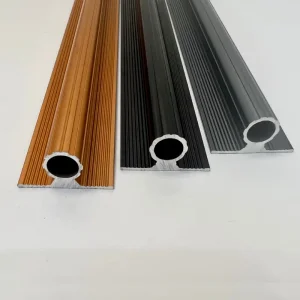
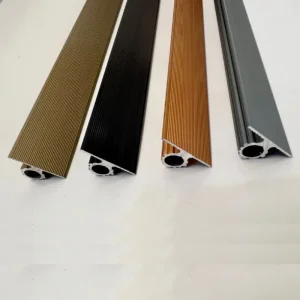
To address this macro-industry pain point, we supply matching Minimalist Door Panel Straighteners. These adjustable metal rods are tensioned inside slot routes routed behind wardrobe doors, applying mechanical counter-tension to correct moisture-induced deformation. By integrating structural straighteners directly with heavy-duty cabinet magnetic rebounders, cabinet manufacturers can confidently scale up panel sizes up to 2.8 meters without structural risk.
Our components conform to all major environmental standards (RoHS and REACH chemical compliance) ensuring safety in residential, hotel, and school environments. Electroplated items undergo severe neutral salt spray tests to ensure anti-rust profiles in high-humidity zones like bathrooms and coastlines.
Combining Rebounder Stroke mechanics with tension alignment bars for high-tolerance architectural design.
Where furniture hardware and smart-home mechanical integration are heading over the next decade.
Answering technical engineering questions regarding the application, sizing, and installation of push-open cabinet systems.
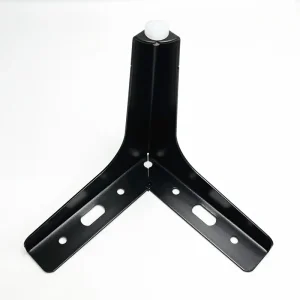
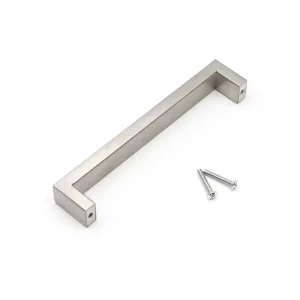
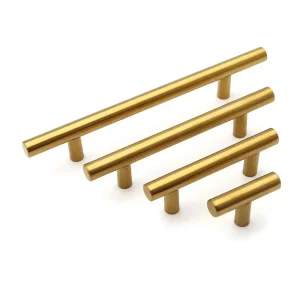
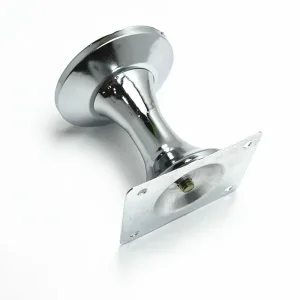
Premium metal alignment straighteners, heavy-duty supports, and specialized modern handles for hybrid designs.
 Xianghui