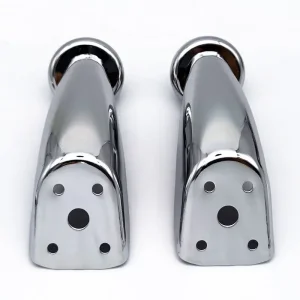
Explore our industrial-grade components, architectural supports, and innovative sliding system accessories built to international performance standards.
An in-depth whitepaper on spatial efficiency, mechanical parameters, and global B2B procurement strategies.
The global furniture and architectural layout industry is undergoing a structural paradigm shift driven by urban densification, minimalist interior design philosophies, and smart building configurations. Sliding cupboard and wardrobe doors have evolved from luxury options to spatial design necessities. Within both commercial fit-outs and modern residential systems, sliding doors save up to 1.2 square meters of operational footprint per installation compared to traditional swing doors. However, the engineering complexity of sliding cupboard door systems is immense. System longevity, silent operation, high load-bearing safety, and simple alignment maintenance are critical technical parameters that top-tier furniture brands require from hardware manufacturing partners.
For modern cabinet builders and interior contractors, selection of the opening mechanism dictates the entire structural layout of the millwork. Sliding hardware relies on dynamic rolling mechanics along linear horizontal tracks. High-quality systems operate using either a top-hung design, where the door weight is suspended from the upper track assembly, or a bottom-rolling design, which transfers the door panel's total mass to lower runners. In high-performance architectural systems, top-hung mechanisms are preferred because they eliminate bottom profile track grooves that collect debris, ensuring silent, frictionless sliding over decades. Dynamic damping cylinders, high-precision ball bearings, and active anti-jumping pins are integrated into the rolling carriages to prevent door panel derailment under high dynamic forces.
When selecting a sliding cupboard door hardware supplier, B2B procurement managers, structural engineers, and QA leads must analyze the structural properties of raw materials, rolling components, and surface coatings. Standard structural materials include cold-rolled steel, high-grade architectural aluminum alloys, and high-tensile engineering plastics like Polyoxymethylene (POM) for roller cores. The implementation of premium POM wheels on precision-machined steel bearings guarantees sound levels below 35 decibels under load. Concurrently, multi-layer surface treatment, including zinc electroplating, chrome passivation, and electrostatic powder coating, protects underlying metals from structural corrosion in humid environments like bathrooms and kitchens.
| Hardware Sub-Category | Core Base Materials | Load Capacity / Door | Core Mechanical Feature | Standards Compliance |
|---|---|---|---|---|
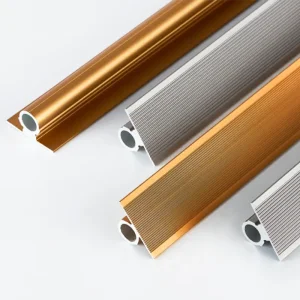
| Top-Hung Sliding Tracks | T5/T6 Extruded Aluminum Alloy | Up to 80 kg | Precision extrusion, low deflection rate | EN 15706 Class 3 |
| Soft-Close Dampers | POM shell, Hydraulic Fluid Chamber | Dynamic adaptive | Dual-directional damping, 100,000+ operations | DIN 68859 Certified |
| Door Panel Straighteners | High-tensile Carbon Steel & Aluminum | Adjustable Tension | Anti-deformation tension rods for tall panels | Architectural Grade |
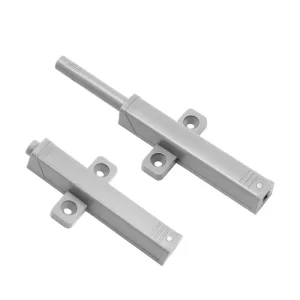
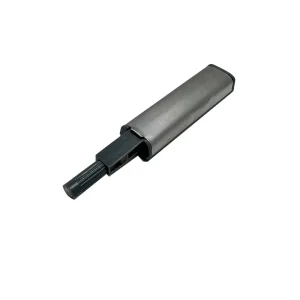
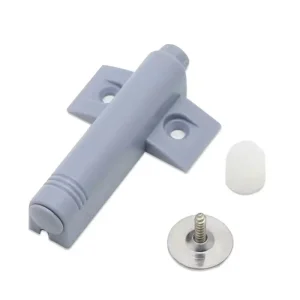
| Handle-free Bouncers | NdFeB Magnet, ABS/Steel casing | High-elastic force | Push-to-open latching, invisible alignment | BIFMA X5.5 Approved |
Global supply chain networks for functional fittings face major bottlenecks, including quality variability between manufacturing runs, long delivery lead times, complex custom customs clearances, and failures in structural alignment on-site. B2B buyers must partner with manufacturers that maintain vertical manufacturing control. The integration of high-speed progressive metal stamping, automated injection molding, robotic welding, and automated product test rigs allows for consistent dimensional tolerances down to 0.05mm. This high level of manufacturing precision reduces assembly line errors, optimizes logistics volumes, and helps distributors minimize inventory carrying costs.
Guangdong Xianghui is a company with strong potential for long-term development, boasting a wide service range and possessing sustainable competitive advantages in technology, brand, and industry. As a leading supplier of furniture hardware, backboards, hair straighteners and hangers, we pride ourselves on providing high-quality products that meet the diverse needs of our customers.
Our range of furniture hardware includes a wide range of accessories and fixtures designed to enhance the functionality and beauty of your furniture. From drawer slides and hinges to knobs and handles, we offer solutions that meet the highest standards of durability and performance. Our commitment to quality ensures that our customers can rely on our products for lasting satisfaction.
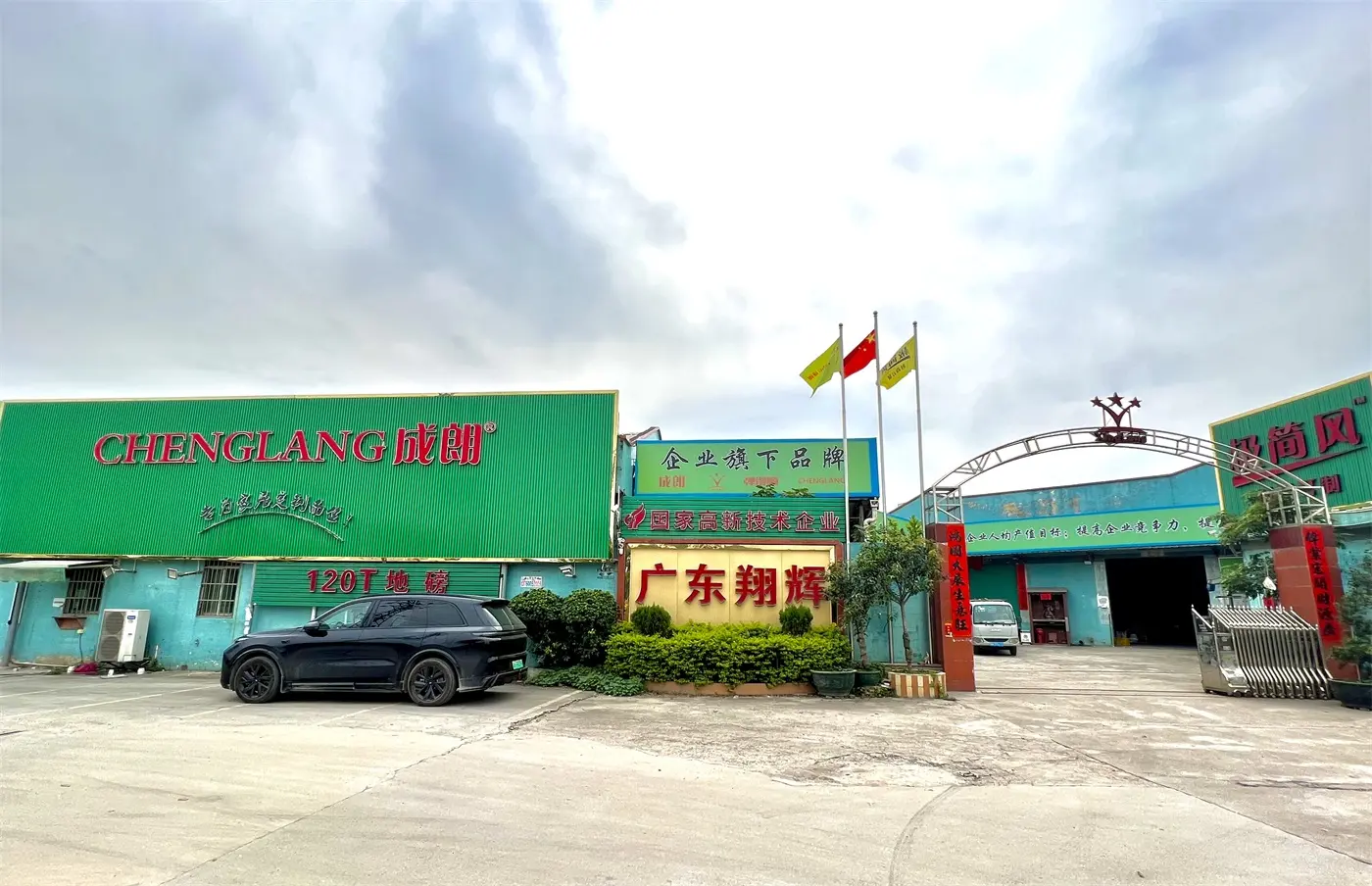
We combine advanced technological assets with deep industry connections to supply high-reliability hardware worldwide.
The next decade of furniture engineering will see hardware integrate with home automation systems, mechanical helper mechanisms, and eco-friendly manufacturing methods. Our engineering department outlines three primary technological developments that will redefine architectural sliding systems:
Navigating different regional safety and performance codes is a key challenge for global B2B procurement. We design and test our hardware to meet or exceed regional standards: North American BHMA/ANSI requirements, European DIN EN specifications, and Asian GB regulations. Our support includes custom packaging design, localized technical manual translations, dynamic 3D installation guides, and complete compliance documentation (including SGS reports, REACH material declarations, and ROHS testing records). By eliminating regulatory hurdles, we ensure a smooth procurement path from our factory floor to your local distributors and job sites.
Direct technical answers to questions from buyers, engineers, and product development teams.
Industrial components designed for modern storage systems, heavy-duty wardrobe applications, and high-load furniture designs.

 Xianghui