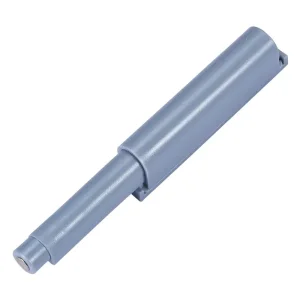
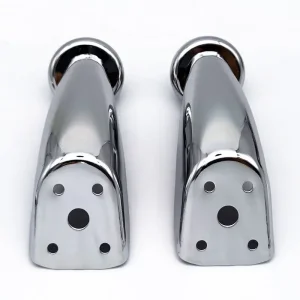
Engineered to operate seamlessly without handles, complying with strict residential architectural expectations across Auckland, Wellington, and Christchurch.
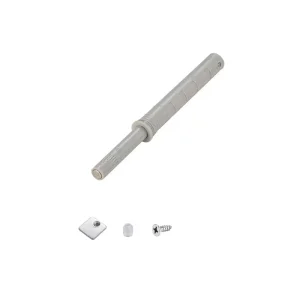
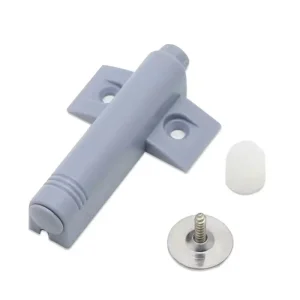
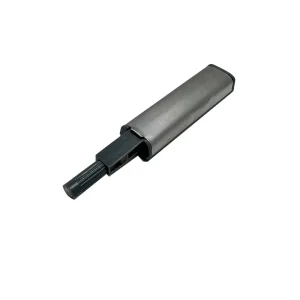
The New Zealand architectural landscape has undergone a significant transformation over the last decade. Driven by the demand for clean lines in premium residences, high-density multi-residential apartments in urban Auckland, and seismic-resilient architectural designs in Wellington, the market preference has shifted decisively toward handleless furniture and cabinetry interfaces. This minimalist trend places an unprecedented technical requirement on mechanical core components, specifically the push-to-open rebound devices (also known as push catches or touch ejectors).
In New Zealand's coastal environments, architectural hardware must withstand high relative humidity and salt-laden air. Normal hardware often succumbs to premature oxidization and mechanical fatigue. Consequently, structural engineering firms and high-end joiners across the Tasman are demanding advanced materials—such as high-grade aluminum alloys, structural-strength engineered plastics (POM), and corrosion-resistant magnetic cores—to guarantee long-term performance compliance under NZBC (New Zealand Building Code) Clause B2 for Durability.
Unlike flat landmasses, New Zealand lies on the active boundary of the Pacific and Indo-Australian tectonic plates. Designing furniture with seismic activity in mind is not optional; it is a critical safety parameter. Push-to-open rebounders integrated with high-performance neodymium magnetic catches play an dual role in modern NZ homes. While providing the expected convenience of soft push opening, the magnetic retention force acts as a passive lock during micro-tremors, preventing cabinet doors from swinging open and releasing hazardous objects.
Moreover, the integration of aluminum housing shells offers structural protection, shielding internal compression springs and trigger pins from alignment shifts caused by building settlement and shifting structural frames. Joinery companies working on premium designs in Queenstown and Wellington are increasingly standardizing metal-shell rebound devices to preserve alignment profiles on heavy-fronted timber veneer and MDF panels.
Guangdong Xianghui is a pioneering, forward-thinking manufacturing enterprise specialized in premium furniture hardware development. Leveraging advanced engineering technology and comprehensive industry experience, we possess sustainable competitive advantages across technical R&D, brand building, and global logistics integration. As a leading manufacturer of push rebound devices, structural straighteners, soft-close gas springs, and architectural hinges, we consistently supply solutions that satisfy high international build criteria.
Our expansive industrial facility utilizes state-of-the-art automated assembly lines, high-precision injection molding machinery, and digital quality monitoring equipment. Our commitment to strict manufacturing standards ensures that every single batch of rebounders and structural components is certified for mechanical endurance, finish consistency, and functional precision, making us a preferred global partner for premium brands.
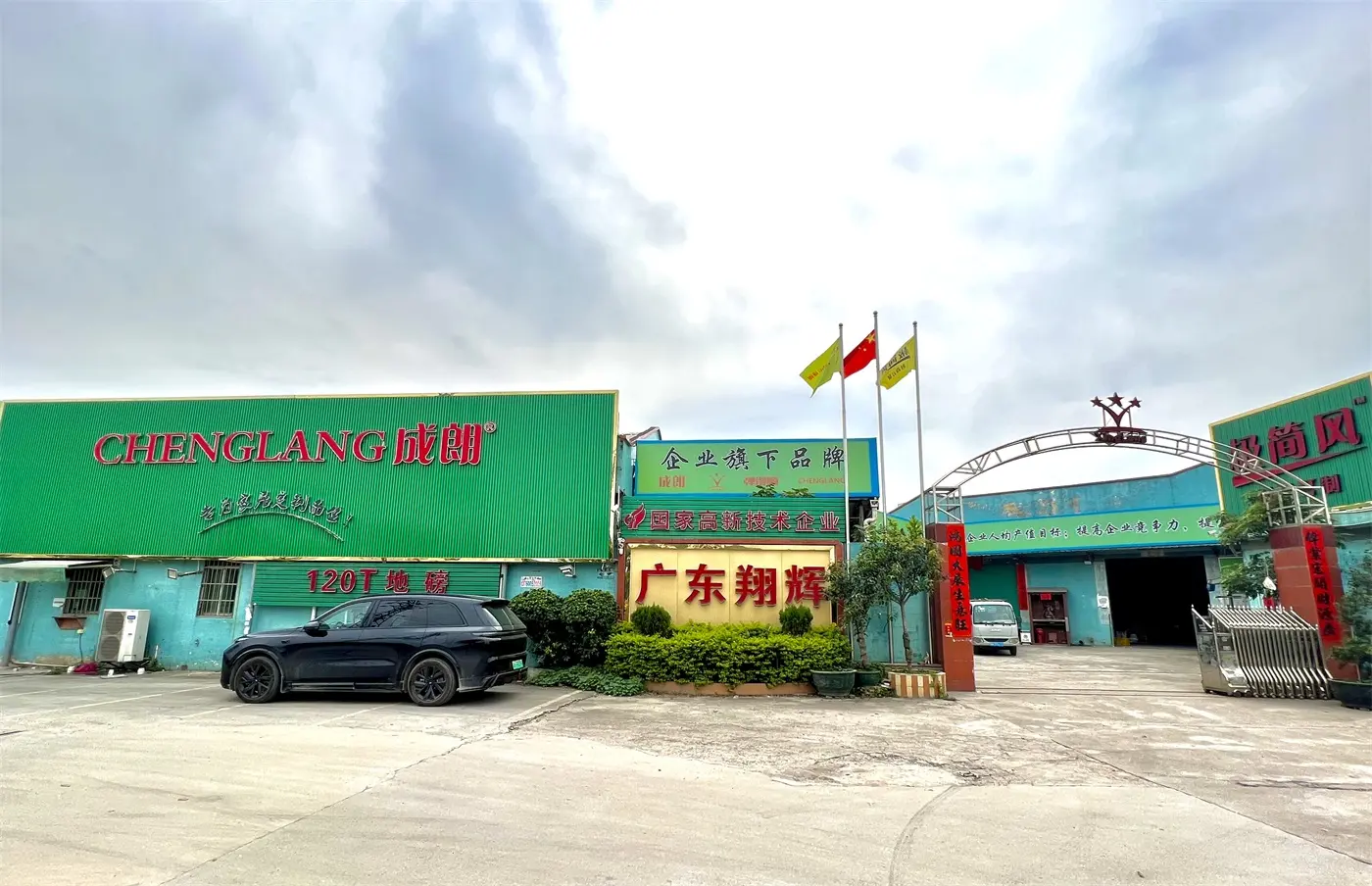
Delivering high-precision engineered cabinetry hardware directly to the architectural joinery sector of New Zealand.
We implement automated machining systems and innovative metallurgy processes, ensuring every push rebounder demonstrates uniform spring elasticity and tight mechanical tolerances.
Certified worldwide by strict quality authorities. Our customer-centric approach has established our market credibility, gaining long-term loyalty from industry leaders.
Operating as a key hardware designer, CHENGLANG maintains production partnerships and supply agreements with global tier-one brands including DTC, Hettich, Norma, and Quanyou.
Focusing on smart home adaptation, we actively design modern, multi-functional hardware options designed to increase space efficiency and reduce cabinetry noise.
For New Zealand joiners, choosing the incorrect rebound device leads to sagging cabinet doors or poor activation profiles. Our engineering team recommends matching rebound parameters with cabinet door dimensions and hinge designs. For example, large wardrobe panels require higher ejection force (heavy-duty springs with 12N or more) to push past the internal resistance of standard self-closing hinges. Conversely, smaller drawers or vanity doors are best served by short stroke, embedded push push rebounders to prevent sudden, violent opening.
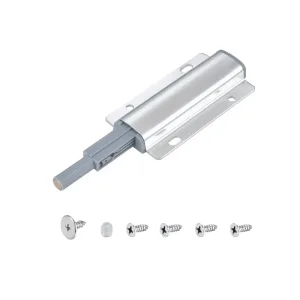
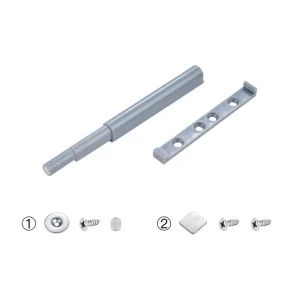
We provide multiple configuration setups suitable for architectural projects, categorized by materials, spring structures, and installation options:
| Model Class | Housing Material | Recommended Ejection Force | Max door weight capacity | Best NZ Application Context |
|---|---|---|---|---|
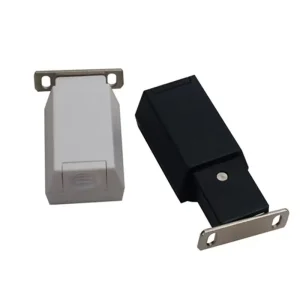
| Concealed Magnetic Rebounder | Industrial POM / Neodymium | 8N - 10N | Up to 15 kg | Bathroom vanities & high-humidity laundry cabinets |
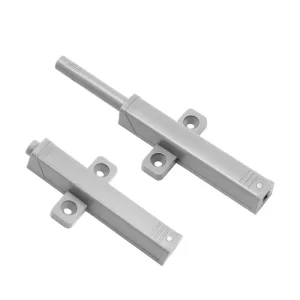
| Large Winged Bouncer | Reinforced Structural Polymer | 12N - 15N | Up to 35 kg | Floor-to-ceiling wardrobes & integrated pantry units |
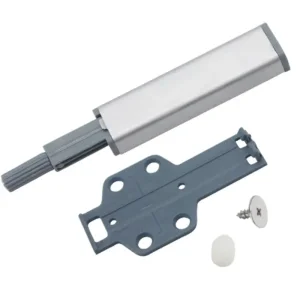
| Anodized Aluminum Alloy Shell | 6000-series Aluminum Alloy | 10N - 12N | Up to 25 kg | Premium designer kitchens & architectural offices |
| Heavy-Duty Double Spring | High-Tensile Carbon Steel / Steel Shell | 15N - 18N | Up to 45 kg | Commercial workspaces & heavy MDF acoustic panels |
When selecting rebounders for projects utilizing non-sprung hinges (free-swinging), always opt for magnetic-tip push rebounders. The magnet maintains a secure closed state, preventing cabinet doors from drifting open due to building vibrations or mild air pressure variations from HVAC units.
As green building certifications like Homestar and Green Star become standard requirements in New Zealand commercial developments, structural hardware manufacturers must adapt. Guangdong Xianghui is committed to an eco-friendly technology roadmap. By reducing volatile organic compounds (VOCs) in our production cycle and moving toward 100% recyclable aluminum alloy casings, we support local NZ builders in achieving sustainable project targets.
Furthermore, our future research and development centers on hybrid dampening systems. Traditional rebounders only control the opening sequence, relying on hinges for soft closing. The next generation of CHENGLANG hardware integrates both functions within a single sleek piston body, allowing both push-to-open activation and cushioned soft-closing mechanics in one unit. This system simplifies joinery detailing, reduces machining times, and improves long-term reliability by lowering the overall hardware count per cabinet.
From aluminum frame door components to heavy-duty magnetic rebounders, our product selection is optimized for international distribution and long-term functional reliability.
Expert insights on importing, installing, and specifying push rebound hardware in New Zealand.
Contact our technical specification team today to request samples, detailed custom options, or bulk wholesale quotes tailored for the New Zealand trade market.
Send Inquiry Now Xianghui