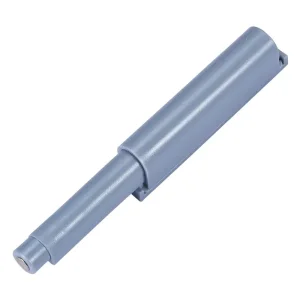
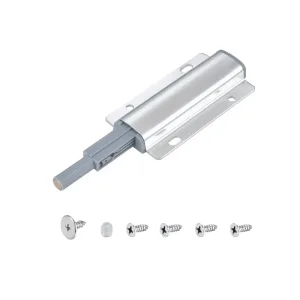
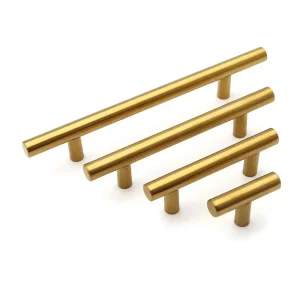
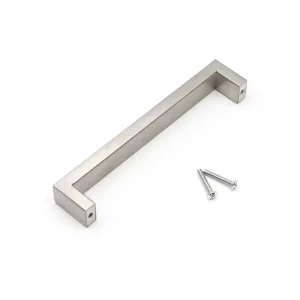
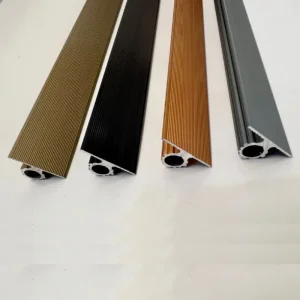
Engineered for high-frequency use cases in luxury West Coast developments and custom residential millwork.
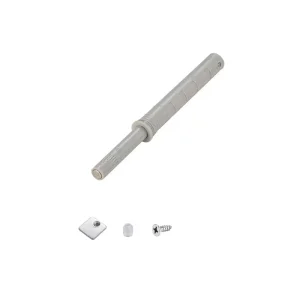
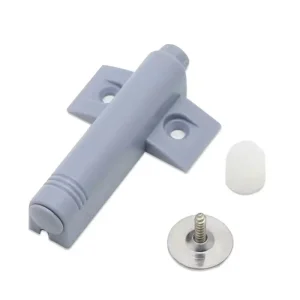
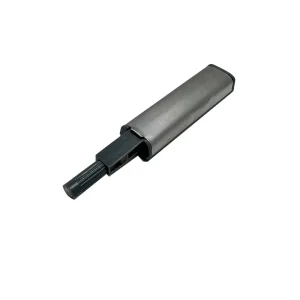
An Industry White Paper on High-Precision Push-to-Open Hardware Specifications
In modern custom home builds across Beverly Hills, Bel Air, Malibu, and the high-density multi-family structures of Downtown Los Angeles, hardware design has transcended utility. It is now a critical element of spatial flow. The classic handle-free cabinet profile is not merely an aesthetic preference; it is a structural philosophy requiring flawless technical execution. Rebound devices, commonly referred to as push-to-open mechanisms or magnetic ejectors, are the core components making this clean architecture functional.
The Los Angeles commercial and residential real estate market demands high durability and reliable performance. Because of the local environmental factors in Coastal California, such as micro-climate humidity variations and seismic shifts, hardware must operate consistently under varying tolerances. A failure rate of less than 0.05% is required by Tier-1 architectural specifiers in Southern California. To meet these rigorous guidelines, premium factories design rebound devices utilizing high-rigidity Polyoxymethylene (POM) engineering plastics, carbon-steel internal springs, and high-holding force Neodymium (NdFeB) magnetic tips.
Selecting the ideal rebound device for architectural applications requires a comprehensive understanding of mechanical spring profiles, travel distances, and magnetic holding capacities. In standard millwork applications, three primary mechanical typologies are specified:
While design specifications originate with firms in Santa Monica, Beverly Hills, and Pasadena, global logistics dictate how products are shipped and delivered. Elite manufacturing hubs in Guangdong, China supply the bulk of heavy-duty, high-performance rebound devices to distribution centers throughout Northern and Southern California. The Port of Los Angeles acts as the central point of entry for these critical components, allowing rapid distribution to regional cabinet shops and architectural millwork firms.
To maintain a reliable supply chain, leading manufacturers maintain close technical coordination with local distributors. This includes ensuring compliance with the California Green Building Standards Code (CALGreen) and EPA TSCA Title VI standards for composite wood substrates where these hardware components are installed.
Explore our complete catalog of architectural hardware, door tensioners, and push-to-open mechanisms.
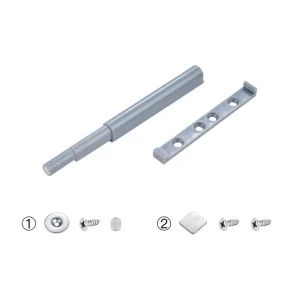
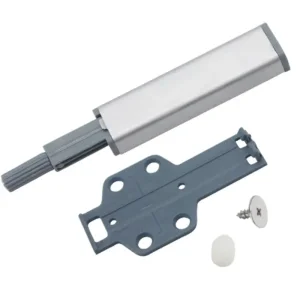
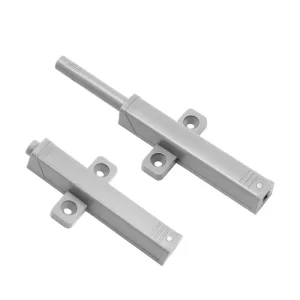
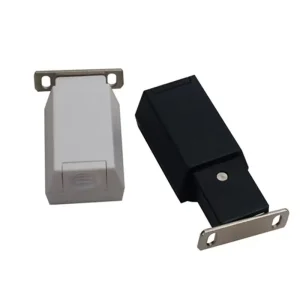
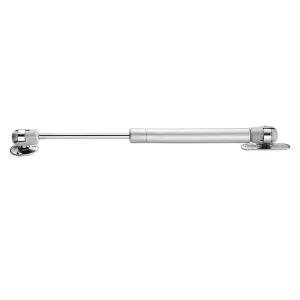
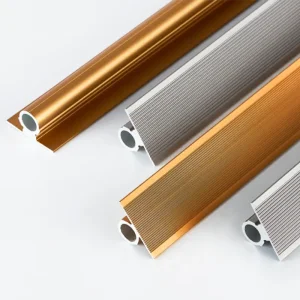
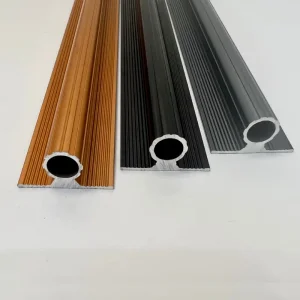
Guangdong Xianghui is a company with strong potential for long-term development, boasting a wide service range and possessing sustainable competitive advantages in technology, brand, and industry. As a leading supplier of furniture hardware, backboards, hair straighteners, and hangers, we pride ourselves on providing high-quality products that meet the diverse needs of our global customers.
Our range of furniture hardware includes a wide range of accessories and fixtures designed to enhance the functionality and beauty of your furniture. From drawer slides and hinges to knobs and handles, we offer solutions that meet the highest standards of durability and performance. Our commitment to quality ensures that our customers can rely on our products for lasting satisfaction.
By combining our robust manufacturing base in Guangdong with a dedicated distribution pipeline to Los Angeles and the broader North American market, we bridge the gap between production efficiency and premium local architectural services.
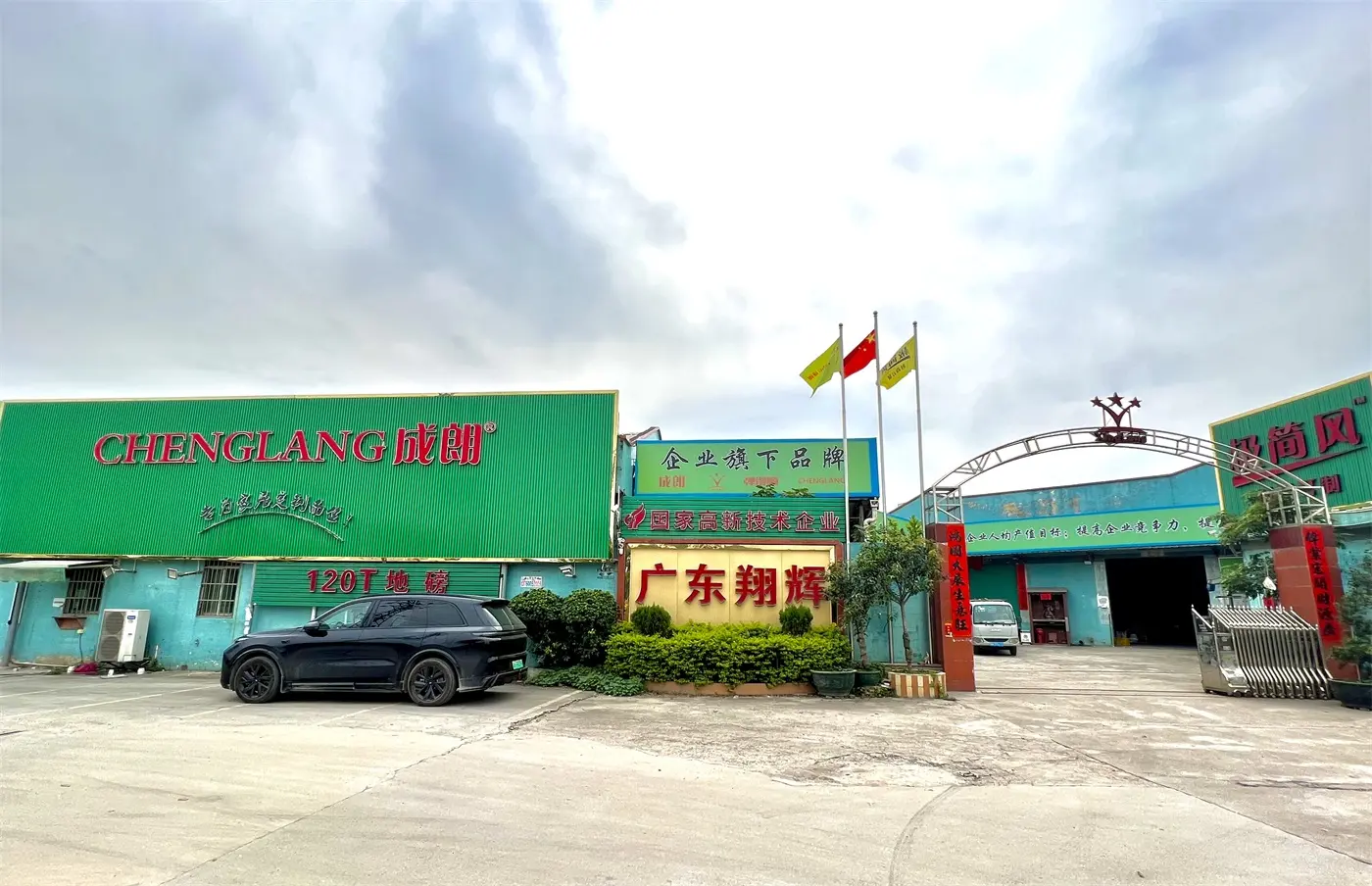
Delivering sustained competitive advantages to millwork manufacturers and hardware importers worldwide.
Guangdong Xianghui utilizes advanced automated production equipment and innovative process technology to produce higher quality products that better meet customer needs.
Our brand strength is derived from multiple certifications and the recognition of customers worldwide. We prioritize customer-centric problem-solving, earning satisfaction and long-term trust.
Within the furniture hardware accessories industry, Guangdong Xianghui has established high credibility, maintaining long-term partnerships with major industry brands such as DTC, Hettich, Norma, and Quanyou.
We focus on leveraging new technologies to create unique products, improving efficiency and cost control through agile organization and flexible, high-precision engineering systems.
Analyzing technical integration and sustainability pathways for architectural hardware specifiers.
For high-volume architectural projects, standard off-the-shelf catalog hardware frequently falls short of project tolerances. Variations in custom panel thickness, density, and hinge resistance coefficients require hardware tailored to exact engineering criteria. CHENGLANG offers comprehensive OEM/ODM custom services, providing custom-tuned spring forces, specialized housing lengths, and branding solutions. Our engineering team assists Los Angeles designers in developing bespoke mechanisms that function flawlessly under unique architectural loads.
As green building practices continue to expand globally and throughout California, hardware components must adhere to strict environmental standards. Traditional zinc-alloy finishes and raw plastics are being replaced by high-durability, lead-free metals and recyclable engineering polymers. Furthermore, push-to-open rebound devices are increasingly specified in ADA-compliant (Americans with Disabilities Act) environments. By eliminating the physical grasp required for conventional cabinet handles, these mechanisms support universal design, enabling effortless access for individuals with limited manual dexterity.
Direct answers to critical specifications and application queries from architects, distributors, and millwork engineers.
 Xianghui