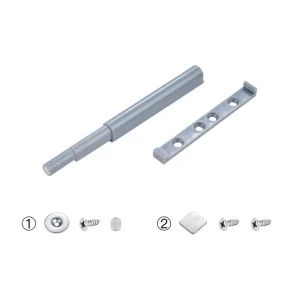
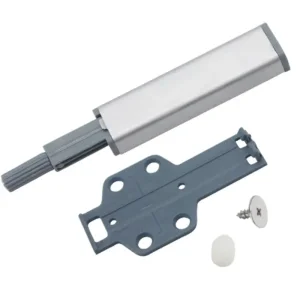
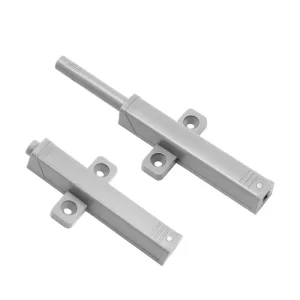
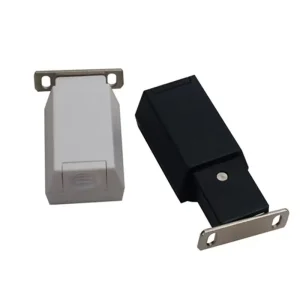
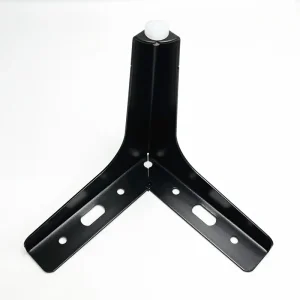
Engineered hardware specifically curated for the high-end Milanese kitchen design and luxury wardrobe manufacturing sectors.
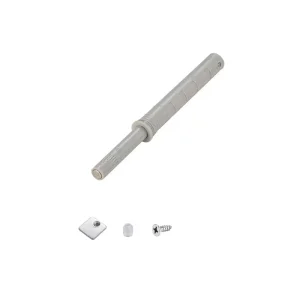
A comprehensive study on the evolution of push-to-open mechanics, local design demands in Lombardy, and global supply chain integrations.
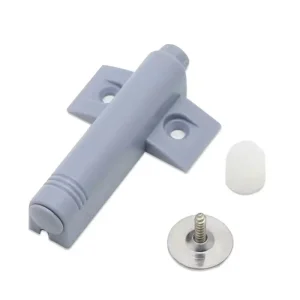
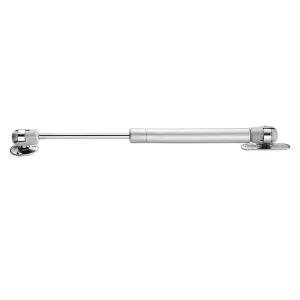
Milan, as the global epicenter of contemporary design, has catalyzed the transition from structural furniture handles to absolute minimalist planar designs. In Lombardy's high-end residential architectural scene, flat-front, seamless cabinets have evolved from a luxury trend to a baseline specification. This architectural preference relies entirely on the mechanical performance of hidden hardware, specifically premium cabinet door rebounders (also termed push-to-open latches).
In high-end projects—ranging from modern apartments in Porta Nuova to historical renovations in Brera—interior architects require invisible components that do not disrupt the continuous textures of exotic wood veneers, solid stones, or matte-lacquered panels. Consequently, the demands placed on the inner mechanisms of these devices are extraordinarily strict. They require silent actuation, high cycle longevity, and minimal gap allowance between the door panel and the cabinet frame.
To meet the criteria of quality inspects and satisfy the expectations of premium furniture brands, contemporary factories focus on three primary mechanical vectors:
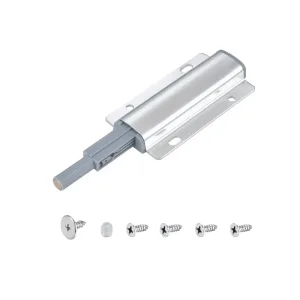
While design and product conceptualization often originate in Milan, the actualization of high-precision, low-tolerance injection molding and assembly occurs within China's hardware capital of Guangdong. A seamless alignment between Italian custom design centers and Guangdong's automated production lines allows factories to supply bespoke, custom-colored, and highly specialized bouncers. We customize stroke lengths, spring strengths, and shell materials (such as aluminum alloy housings) to integrate perfectly with contemporary Italian hardware systems.
Guangdong Xianghui is an enterprise with strong long-term developmental capabilities. With an expansive global footprint and a sustainable competitive advantage in engineering design, brand value, and industrial integration, we serve as a premier manufacturer of furniture hardware, backboards, and accessories.
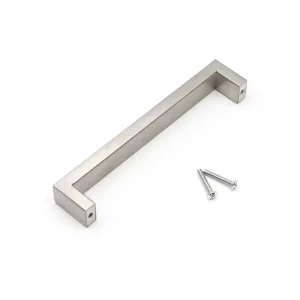
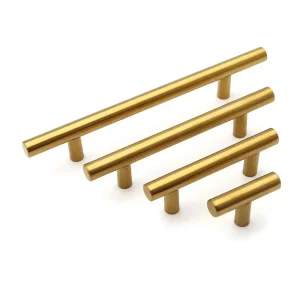
Our expansive furniture hardware collection is meticulously designed to optimize both utility and visual refinement. From drawer slides and heavy-duty hinges to modern cabinet knobs, handles, and mechanical push rebounders, we build solutions that strictly conform to the highest global standards of durability, wear resistance, and long-term utility.
Our dedication to quality control ensures that our European partners, particularly in design-centric cities like Milan, receive precision products that bolster their end-consumer brand value.
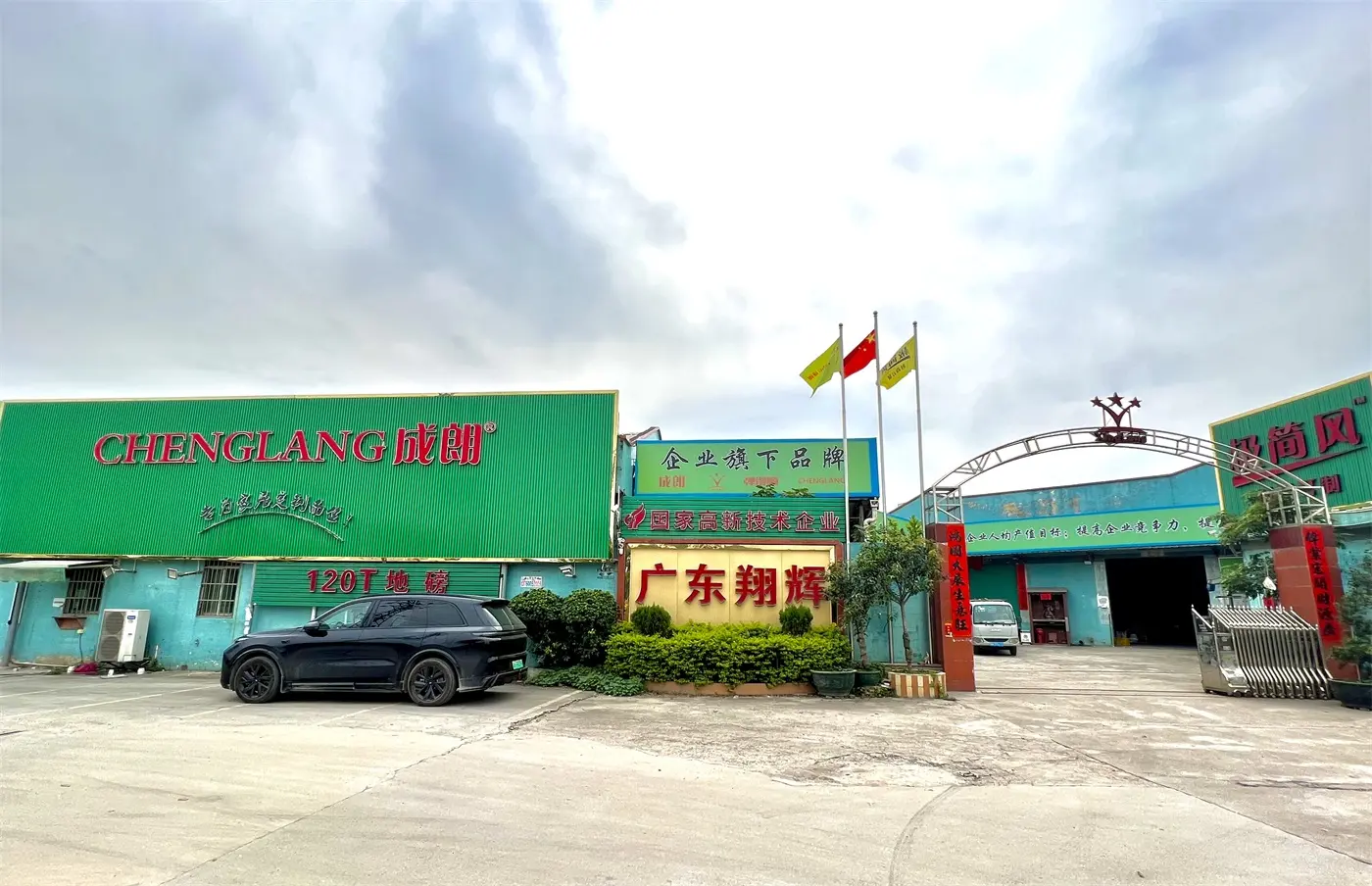
Our key advantages engineered to deliver top-tier value to global distributors and OEM cabinet builders.
The progression of mechanical push-release systems toward smart, automated, and micro-damped systems.
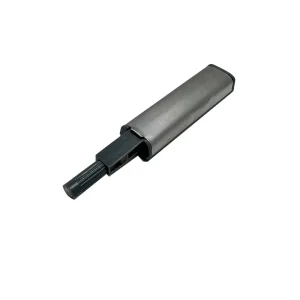
Traditional mechanical push systems utilize mechanical springs paired with a heart-shaped cam track or magnetic strike plate. Modern optimization of this phase centers on maximizing reliability under varying cabinet dimensions. Anodized aluminum-clad housings with adjustable plunger heads represent the premium tier in the Milan market today, providing mechanical security without sacrificing the clean profile look.
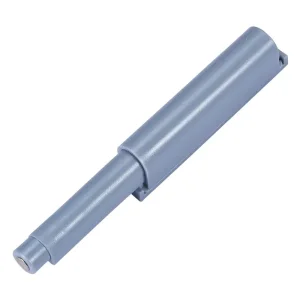
The current R&D frontier merges the push-to-open rebound cylinder with a miniature oil damper. This configuration solves a persistent industry issue: cabinet door snap-back noises. By integrating a micro-fluid damper within the body of the bouncer, the door pushes open smoothly but stops silently at its maximum extension stroke, avoiding wood panel vibration and extending the life of the hinge mounting plates.
As premium homes transition into smart ecosystems, cabinetry is adopting electrical opening assistance. Micro-motors combined with proximity sensors or minor tactile touch triggers will active-eject cabinet doors without needing deep mechanical depression. Guangdong Xianghui is tracking these advances to ensure our factory remains ready to supply next-generation digital smart-home hardware solutions.
Technical guidance and sourcing queries answered by our hardware engineering experts.
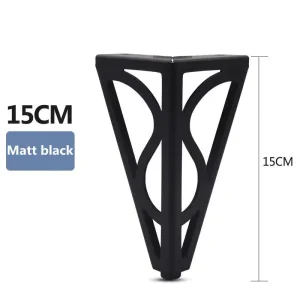
Our complete manufacturing range, including metal structural supports, aluminum components, and heavy-duty rebound hardware.
 Xianghui