Engineered anti-deformation devices, precision cabinet legs, and push-to-open switches straight from the production floor.
In modern furniture architecture, clean geometries and handleless facades have transitioned from luxury design statements to mainstream consumer demands. As minimalism dominates contemporary spaces, the mechanical integrity of push-to-open (bounce) technology plays an indispensable role. A functional kitchen, high-end wardrobe, or high-traffic commercial storage space depends entirely on the durability, feel, and reliability of invisible hardware.
China's push-to-open manufacturing sector has evolved from producing rudimentary mechanical latches to developing highly engineered, durable, and micro-adjustable rebounders. Through advanced material selection, such as POM (Polyoxymethylene) polymer matrices, and smart integration with structural elements like cabinet door straighteners, factories in Guangdong's premium hardware clusters are shaping the standards of next-generation furniture engineering.
Usage of aerospace-grade POM plastic ensures minimal friction coefficients, extreme durability over 80,000+ open-close cycles, and high fatigue resistance.
Pairing rebound switches with tension-based door straighteners guarantees consistent door-to-cabinet tolerances, preventing misalignment.
Manufacturing protocols rigorously adhere to international quality certifications (SGS, TUV, LGA), matching premium European standards.
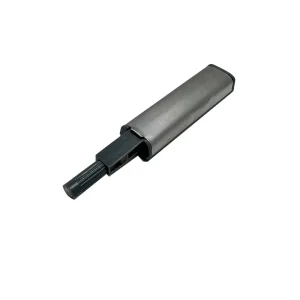
At its core, a push-to-open rebounder is a kinetic energy storage and release device. When the user applies gentle compression force onto the drawer or cabinet panel, the internal spring mechanism is compressed further until it passes a mechanical latching threshold. The stored potential energy is then converted into kinetic energy, releasing a plunger that thrusts the door outward by a functional displacement distance, typically between 20mm and 50mm, allowing for easy finger access.
A key factor in selecting the appropriate push-to-open system is the correlation between door weight, hinge spring strength, and the rebounder's spring rating. Standard hinges with strong closing springs require high-force rebounders (often denoted as 3.5N to 5N units). Conversely, un-sprung hinges or those with soft-close mechanisms require finely balanced light-action magnetic rebounders to prevent structural kickback or incomplete closing cycles.
High-quality manufacturing requires deep engineering protocols. Our factories employ specialized testing and design configurations to guarantee premium touchpoints in handleless systems. Below is our engineering outline detailing the critical stages of push-to-open research and development.
Our concealed rebounders utilize Polyoxymethylene (POM) for the inner core sleeve and gear tracks. POM is highly crystalline, offering high mechanical strength, stiffness, excellent wear resistance, and low friction. This prevents the grinding and wear commonly seen in cheap ABS-based components after several thousand cycles. For heavy-duty variants, carbon steel casings with zinc plating provide robust structural armor to handle lateral shear stresses.
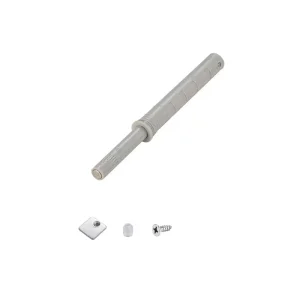
Real-world cabinets are rarely perfectly square, and environmental shifting affects door alignment. Advanced push-to-open systems include an integrated thread adjustment tip. By rotating the magnetic ejector head, installers can adjust the protrusion depth by +4mm to -1mm, allowing precise gap alignment without removing the entire device.
The neodymium magnet located at the tip of the plunger must provide sufficient holding force (typically between 1.2 kg and 2.5 kg depending on the model) to keep the cabinet securely closed against internal vibrations, while remaining responsive enough to yield to a light touch. If the magnetic force is too strong, the compression stroke required to activate the spring becomes too high; if it is too weak, the door will not seal tightly against the cabinet gasket, causing gaps and dust intrusion.
The global furniture manufacturing sector depends on rapid development cycles, absolute consistency in batch quality, and highly responsive pricing structures. Guangdong's hardware clusters, particularly in the Shunde region where Guangdong Xianghui operates, offer unmatched industrial integration.
Within a 50-kilometer radius, factories have direct access to raw carbon steel coils, specialized polymer compounding facilities, high-speed zinc and aluminum alloy die-casting lines, and automated packaging hubs. This high degree of vertical integration reduces lead times for complex custom OEM/ODM designs from months to weeks. Additionally, automated assembly processes significantly lower human error rates in spring winding and internal latch fitting, ensuring that large-volume shipments maintain consistent tolerance limits across all units.
Push-to-open hardware does not operate in a vacuum. It must adapt to localized environmental conditions and architectural layouts globally:
In environments such as Southeast Asia, coastal Americas, or premium spa zones, humidity accelerates corrosion in internal springs. Our factories resolve this by using premium SUS304 stainless steel springs and specialized anti-rust coatings on iron-alloy casings. Outer shells utilize sealed POM engineering housings to protect the inner lubricants from evaporating or washing out.
In high-end interior design, wardrobe doors frequently exceed 2.4 meters in height. These tall panels are highly vulnerable to warping and bowing due to changes in room temperature and indoor humidity. If a door wraps or bows by even 3mm, the push-to-open contact point will fail to align with the magnetic rebounder, leading to malfunctioning opening cycles.
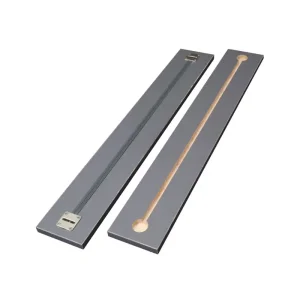
To resolve this, modern high-end furniture installations couple a magnetic push rebounder with an adjustable Italian Style Cabinet Door Straightener or carbon steel anti-deformation tension rods (such as the Chenglangweifa Type A). These tensioners run vertically inside the door panel, allowing installers to adjust tension and pull the door back to a perfectly flat plane, securing the precise contact needed for push-to-open mechanisms.
Guangdong Xianghui is a company with strong potential for long-term development, boasting a wide service range and possessing sustainable competitive advantages in technology, brand, and industry. As a leading supplier of furniture hardware, backboards, hair straighteners, and hangers, we pride ourselves on providing high-quality products that meet the diverse needs of our customers.
Our range of furniture hardware includes a wide range of accessories and fixtures designed to enhance the functionality and beauty of your furniture. From drawer slides and hinges to knobs and handles, we offer solutions that meet the highest standards of durability and performance. Our commitment to quality ensures that our customers can rely on our products for lasting satisfaction.
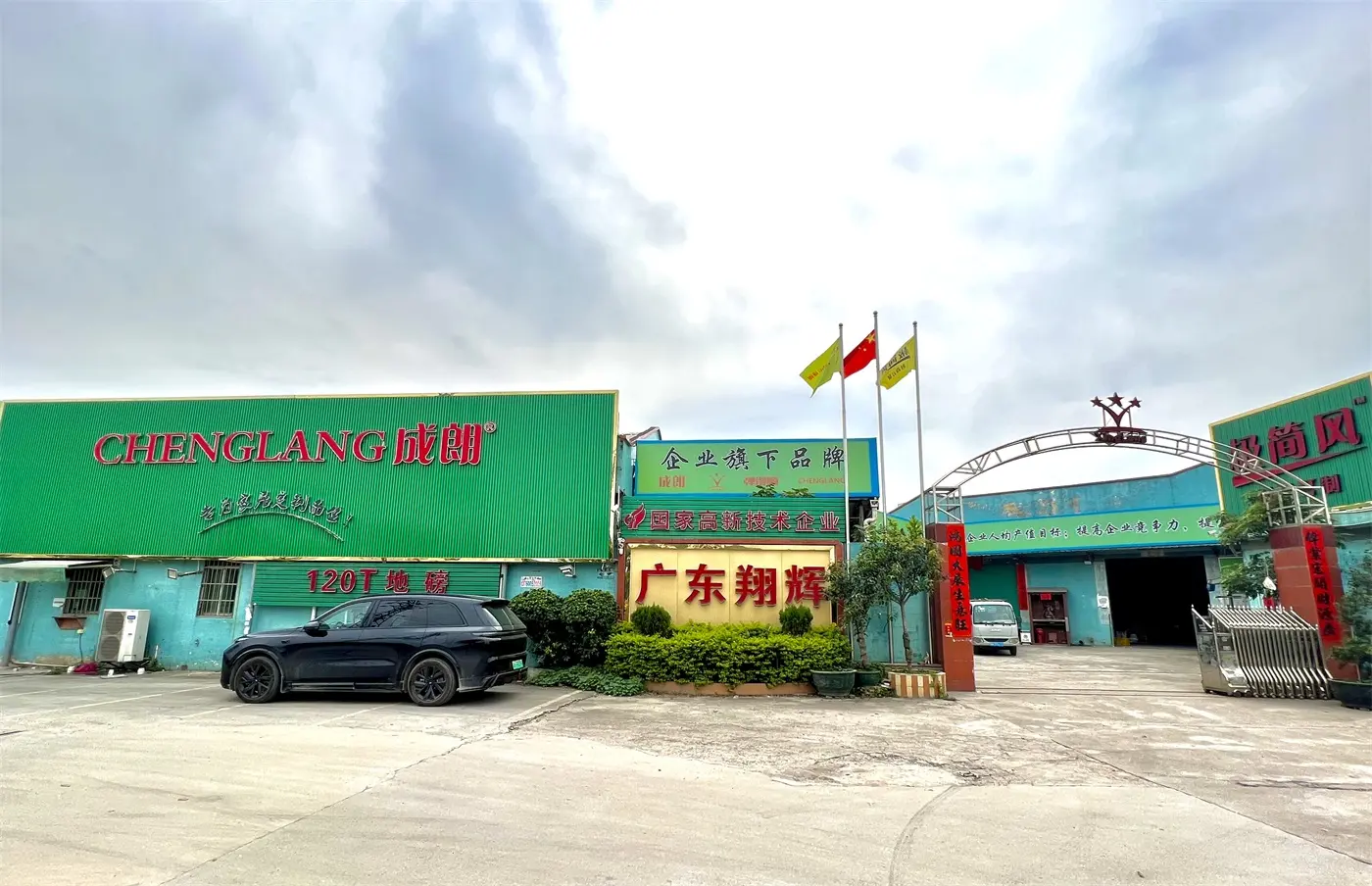
Why leading global brands choose CHENGLANG as their core hardware supply chain partner.
Utilizing advanced automated production equipment and innovative process technology to manufacture tight-tolerance functional parts that meet specific customer requirements.
Backed by multiple international certifications and recognized globally for user-centric problem solving, supporting both custom designs and high-volume orders.
Established high-level credibility in furniture hardware accessories, maintaining long-term development partnerships with major brands like DTC, Hettich, Norma, and Quanyou.
Developing products with new technologies, flexible cost management, and rapid prototyping workflows to meet emerging design trends.
Providing expert answers to common design and integration questions for engineering teams and wholesale buyers.
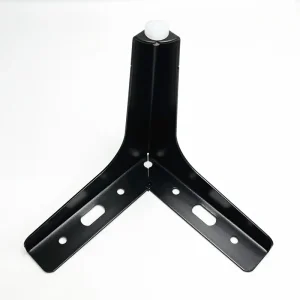
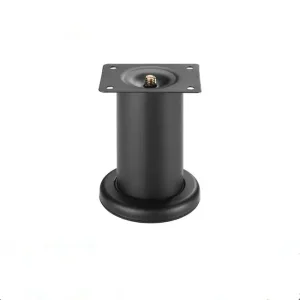
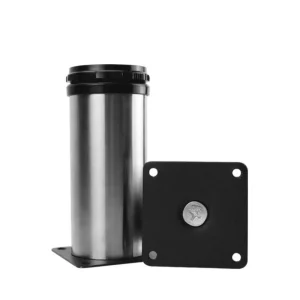
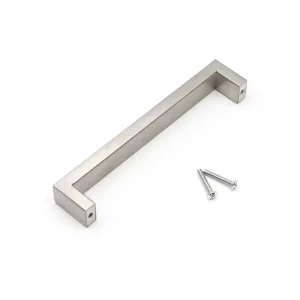
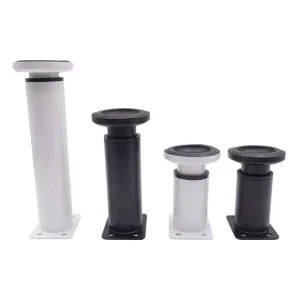
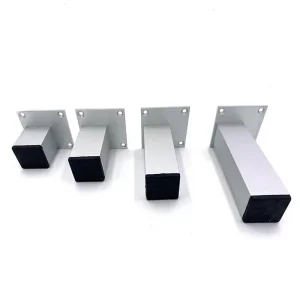
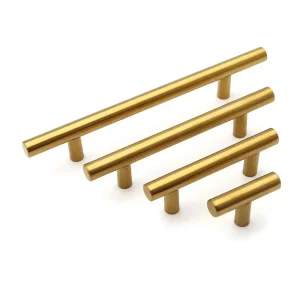
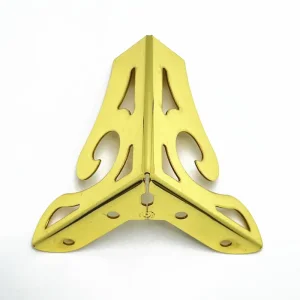
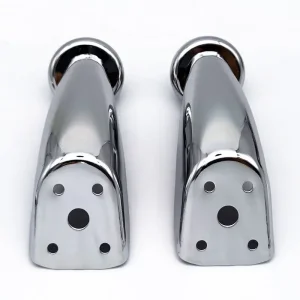
Discover heavy-duty support feet, high-end drawer handles, and versatile cabinet legs designed for modern structural engineering.

 Xianghui