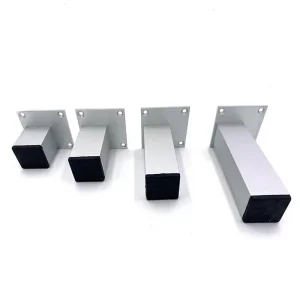
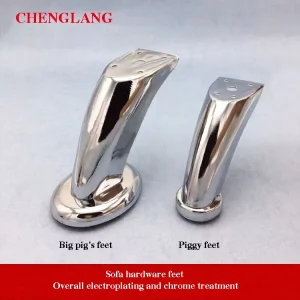
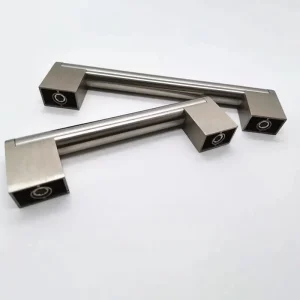
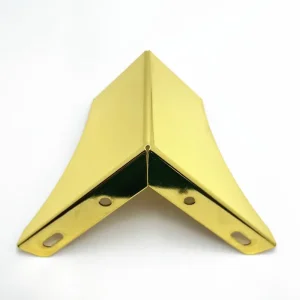
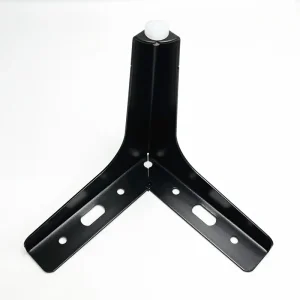
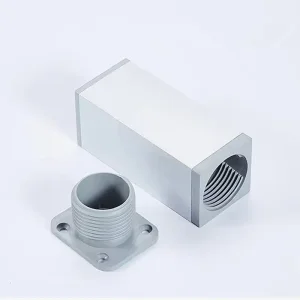
Explore our industrial-grade door panels, adjustable legs, rebounders, and ergonomic knobs engineered for structural optimization.
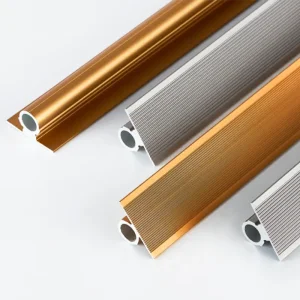
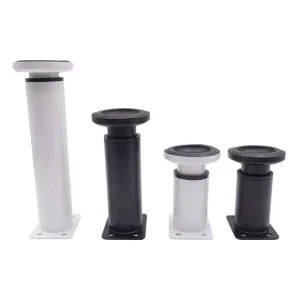
In the modern landscape of smart buildings and luxury commercial installations, the humble door pull knob has transitioned from a basic manual interface to a critical component of ergonomic building design, safety compliance, and architectural expression. As global construction demands surge, wholesale distributors and architectural specifiers face the complex task of selecting door hardware that aligns with modern aesthetic demands, rigorous physical performance criteria, and strict environmental standards.
The international door hardware market, currently valued at billions of USD, is driven by structural shifts in urban commercial projects and high-end residential complexes. Today's commercial buildings require heavy-duty performance profiles that withstand thousands of duty cycles per day, and materials that resist atmospheric degradation and chemical cleaners. Manufacturers must adopt state-of-the-art materials science, transitioning from simple cast iron to engineered grade SS304/SS316 stainless steel, aerospace-grade aluminum, and high-tensile zinc alloys.
"Precision in design is no longer just about geometry. It encompasses alloy chemistry, surface tension kinetics, and high-frequency tactile response. A door pull knob serves as the primary physical touchpoint of a building's interior architecture."
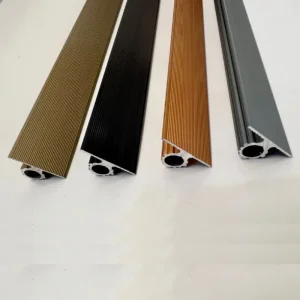
An often overlooked aspect of door pull knob deployment is the structural integrity of the door substrate itself. Large wardrobe panels and entry doors are subject to warping caused by temperature fluctuations and relative humidity shifts. Without mechanical stabilization—such as advanced wardrobe door straighteners—deformed doors lead to misalignment of the latches, rendering premium pull knobs and magnetic rebounders ineffective.
Therefore, modern suppliers do not merely sell handles; they supply complete structural ecosystems including tension-adjustable panel straighteners, heavy-duty cabinet support legs, and high-stroke magnetic push ejectors. This holistic methodology prevents physical failure, minimizes maintenance costs, and guarantees a high-performance user experience throughout the lifetime of the installation.
Analyzing key macro shifts dictating architectural hardware specifications for the upcoming decade.
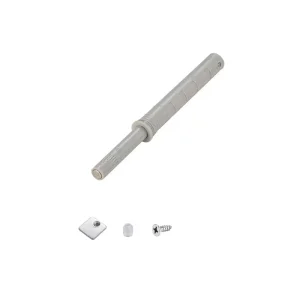
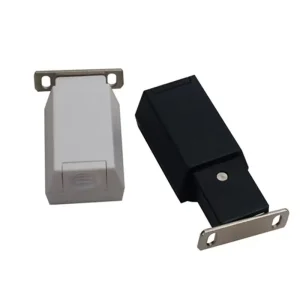
The push for handleless aesthetics has elevated demand for magnetic rebounders and push-to-open latch mechanisms. This requires high-force neodymium magnetic ejectors that replace visible knobs while maintaining effortless opening cycles.
With strict health regulations, hardware is increasingly treated with PVD (Physical Vapor Deposition) and copper-ion antimicrobial coatings. These technologies enhance durability, provide wear resistance, and prevent pathogen transmission.
IoT and digital locking ecosystems are merging with mechanical door pulls. Modern designs frequently feature integrated capacitive fingerprint sensors, LED status rings, and proximity modules, bridging heavy-duty hardware with digital security.
A statistical representation of our material stress tolerances, duty cycle lifespan, and chemical resistance benchmarks.
Selecting the ideal metal compound is the baseline of industrial hardware longevity. Zinc alloys, such as Zamak 3, are widely chosen for interior cabinet pulls due to their exceptional fluid casting capabilities, allowing for complex, organic shapes. For heavy-duty external handles or wet area applications (such as commercial washrooms), high-grade austenitic stainless steels (SUS 304 or SUS 316) are required. These alloys contain high chromium and nickel levels, forming a passive chromium oxide protective film that prevents oxidation.
Furthermore, finish durability is defined by plating and coating techniques. While standard electroplating provides decorative finishes like satin chrome and polished brass, modern industrial applications utilize Physical Vapor Deposition (PVD). This process bonds thin metallic films at the atomic level in a vacuum chamber, creating a surface layer that is harder than steel and virtually immune to peeling, scratching, or UV-induced fading.
Adapting hardware architectures to distinct project domains and performance expectations.
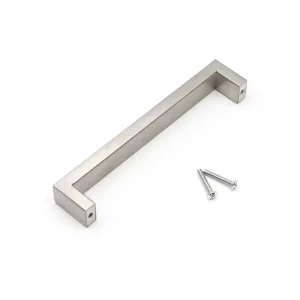
In luxury hospitality, guestroom entryways and interior wardrobes require silent, reliable mechanisms. Here, heavy-duty stainless steel square tube handles provide an elegant grip, while integrated magnetic push-to-open latches are placed behind minibar panels. To ensure seamless operation, door panel straighteners are installed inside full-height wardrobe doors, preventing structural warp and ensuring guest room interfaces operate with minimal friction.
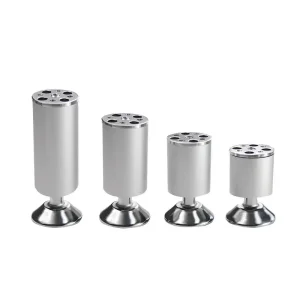
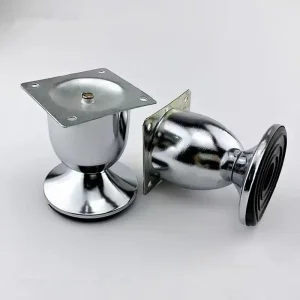
For urban residential projects, cost-efficiency and durability are paramount. Architects rely on adjustable aluminum and iron furniture legs to construct stable, level structures on uneven subfloors. Durable chrome-plated sofa legs and zinc-alloy knobs provide an upscale feel while maintaining budget compliance, satisfying both property developers and end-users.
Cleanrooms and laboratories require hardware that resists intensive sterilization. Grade 316 stainless steel U-shaped pulls are utilized alongside concealed magnetic rebounders, allowing personnel to open cabinets with minimal direct skin contact. These systems withstand frequent washdowns with harsh cleaning chemicals without tarnishing or corroding.
Innovation roadmap detailing the future integration of sustainability, materials engineering, and smart technologies.
The architecture of tomorrow demands a deep commitment to environmental stewardship and technological innovation. The next generation of door pull knobs and cabinet hardware is moving toward circular material lifecycles. As global regulations like the European Union's CSRD (Corporate Sustainability Reporting Directive) tighten, the sourcing of structural alloys must focus on recycled metals and energy-efficient manufacturing processes.
Guangdong Xianghui is actively researching carbon-neutral manufacturing technologies, integrating clean casting methods that minimize toxic chemical waste during electroplating. Furthermore, we are refining mechanical rebounder technology, utilizing self-charging piezoelectric elements that power low-energy IoT cabinet sensors whenever a door is opened.
At the same time, structural panel straighteners are evolving from simple manual tension rods into smart-corrective systems. By integrating shape-memory alloys (SMA) like Nitinol, future straighteners will automatically adjust internal tension in response to ambient humidity shifts, preventing warping without requiring manual adjustment.
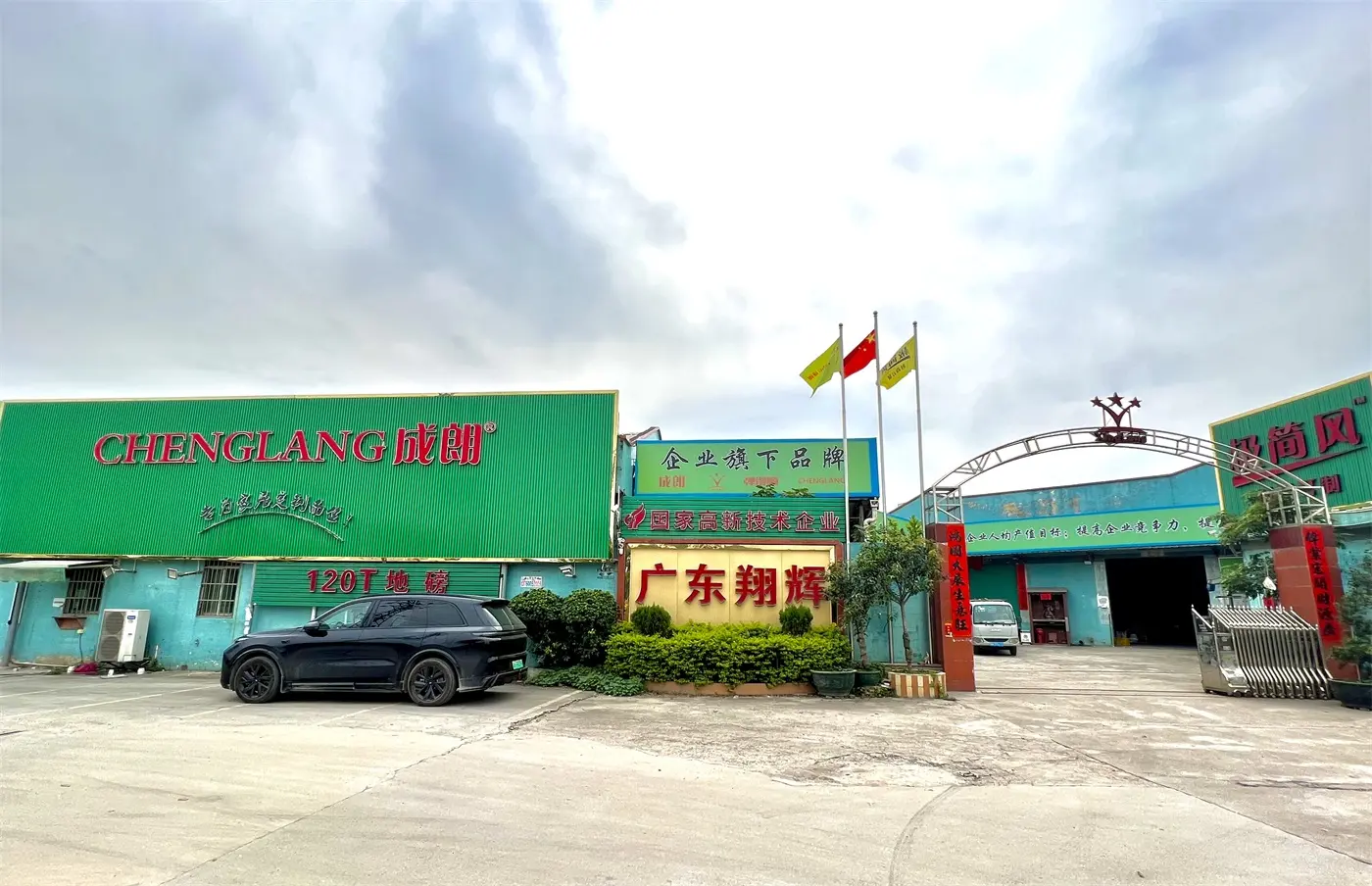
Guangdong Xianghui is a company with strong potential for long-term development, boasting a wide service range and possessing sustainable competitive advantages in technology, brand, and industry. As a leading supplier of furniture hardware, backboards, hair straighteners and hangers, we pride ourselves on providing high-quality products that meet the diverse needs of our customers.
Our range of furniture hardware includes a wide range of accessories and fixtures designed to enhance the functionality and beauty of your furniture. From drawer slides and hinges to knobs and handles, we offer solutions that meet the highest standards of durability and performance. Our commitment to quality ensures that our customers can rely on our products for lasting satisfaction.
Expert engineering insights answering standard compliance, material application, and installation questions.
Explore our structural components, including heavy-duty furniture feet, precision handles, and integrated door straighteners.
 Xianghui