Engineered tension systems designed to eliminate panel deflection in high-humidity climates. Ideal for floor-to-ceiling wardrobes and heavy solid-wood doors.
An in-depth analysis of structural integrity challenges in contemporary British architecture, interior joinery, and furniture design.
The interior design landscape in the United Kingdom has undergone a significant transformation. Modern high-end residential projects in London, Manchester, Edinburgh, and Birmingham are increasingly specifying floor-to-ceiling cabinetry, minimalist handleless wardrobes, and expansive partition systems. These designs require oversized wood panels that frequently exceed 2.4 meters in height. While visually striking, these large-format panels introduce critical engineering challenges. Specifically, they are highly vulnerable to warping, bowing, and structural deflection due to environmental changes.
The UK’s unique maritime climate serves as a key catalyst for these material failures. With outdoor relative humidity levels regularly fluctuating between 60% and 90%, and indoor climates subjected to dry, forced-air central heating during cold winters, wood panels experience substantial moisture differentials across their faces. The front face of a wardrobe door, exposed to dry living area climates, loses moisture much faster than the inner face. This differential rate of hygroscopic contraction generates severe physical tension, causing the panels to bow. When panels warp, soft-closing hinges misalign, sliding track hardware jams, and high-value architectural installations lose their aesthetic value. This highlights the vital importance of integrating high-tensile cabinet door straighteners at the fabrication stage.
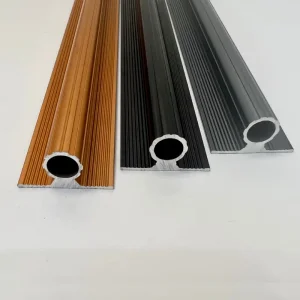
Our cabinet door straighteners counteract natural wood movement. When milled into the back of a panel, the system establishes a hidden skeletal structure. By adjusting the internal tension rod—typically with a hex key at the top or bottom of the door—installers apply a corrective counter-tension force. This mechanical counter-torque works against the compression forces built up by wood fibers absorbing humidity. The straightener transfers these forces along the length of the anodized aluminum housing, ensuring the panel remains flat despite environmental fluctuations.
How Guangdong Xianghui (Chenglang) combines vertical manufacturing integration with rigorous quality standards to support partners worldwide.
Utilizes advanced automated production equipment and innovative processing technology to manufacture high-precision tension rods and straighteners that satisfy strict European standards.
Built on international quality certifications and trusted by global buyers. We focus on customer-centric design to resolve real-world structural challenges for manufacturers.
Maintains long-term strategic supply relationships with leading global hardware brands, including DTC, Hettich, Norma, and Quanyou, guaranteeing consistent quality control.
Leverages new materials and flexible structural designs to develop next-generation hardware. This approach improves installation efficiency while lowering production costs for OEM/ODM clients.
For UK distributors, commercial fit-out contractors, and volume kitchen manufacturers, supply chain efficiency is a primary driver of profitability. Importing directly from our advanced facilities in Guangdong provides substantial cost and supply chain advantages. Traditional UK distribution models add multiple layers of middleman margins, increasing the cost of high-performance components. Sourcing directly from our vertically integrated factory allows you to buy at factory-direct pricing while maintaining high structural and aesthetic quality.
Our manufacturing plant features state-of-the-art aluminum extrusion presses, high-speed automated milling lines, and custom packaging systems. By handling the entire production process in-house—from raw aluminum alloy 6063-T5 to surface anodization, carbon steel rod insertion, and final mechanical testing—we achieve tight dimensional tolerances. This vertical integration protects our supply chain from raw material price shocks and ensures delivery schedules remain highly predictable. For UK customers working on tight commercial build schedules, this reliability is crucial.
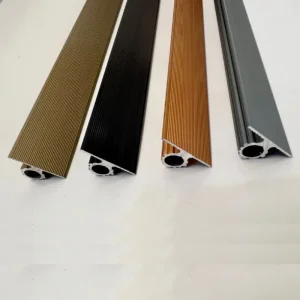
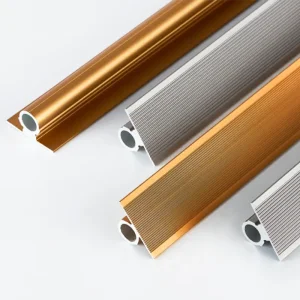
Furthermore, our engineering team regularly collaborates with international testing labs to guarantee that our products meet or exceed the performance profiles of European-designed equivalents. Whether you need customized lengths to fit bespoke door heights (such as 2700mm or 3000mm profiles) or specialized surface finishes (such as matte black, brushed brass, or satin titanium), we customize our production lines to meet your specific project needs. Every run undergoes strict quality control, including salt spray chamber analysis and load-deformation tests, to ensure years of trouble-free performance in any climate.
Browse our extensive selection of tension straighteners, modern cabinet support legs, push-to-open rebounders, and architectural hardware components.
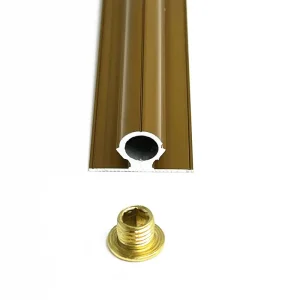
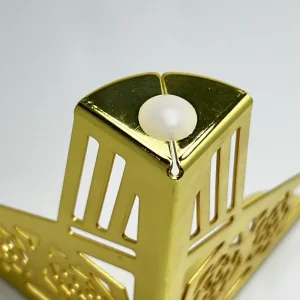
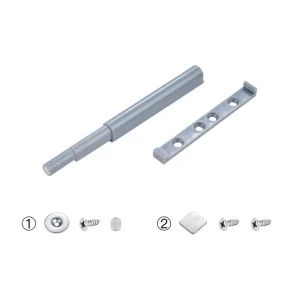
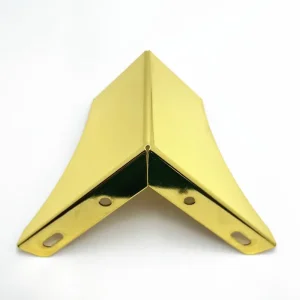
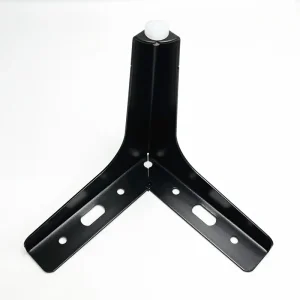
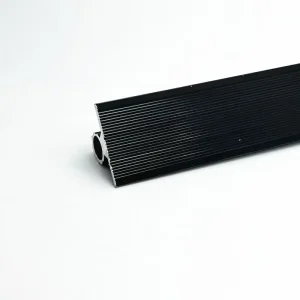
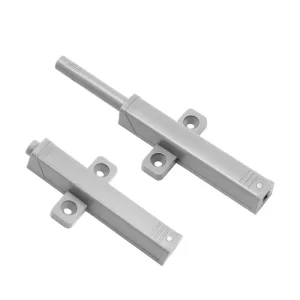
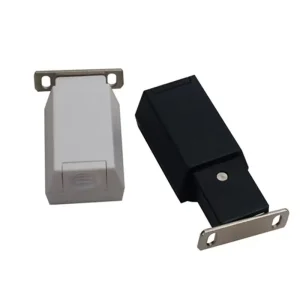
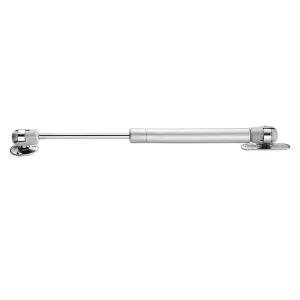
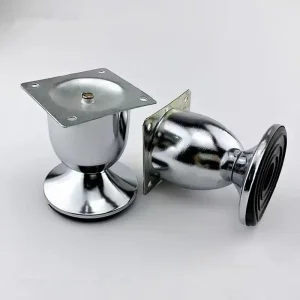
Guangdong Xianghui is an established manufacturing enterprise built for long-term industrial development. We offer a comprehensive service range and hold sustainable competitive advantages across technology, brand authority, and manufacturing infrastructure. As a leading manufacturer and exporter of precision furniture hardware, backboard support brackets, tension aligners, and storage fittings, we provide high-performance solutions that meet the demanding specifications of architectural joiners and furniture manufacturers worldwide.
Our core product lines include engineered architectural hardware designed to improve both the structural life and clean lines of custom furniture. From heavy-duty metal legs to sophisticated hidden cabinet door straighteners, our solutions balance practical strength with clean, modern aesthetics. We maintain strict compliance with global quality and environmental standards, ensuring our products perform reliably in high-end projects.
Partner With Us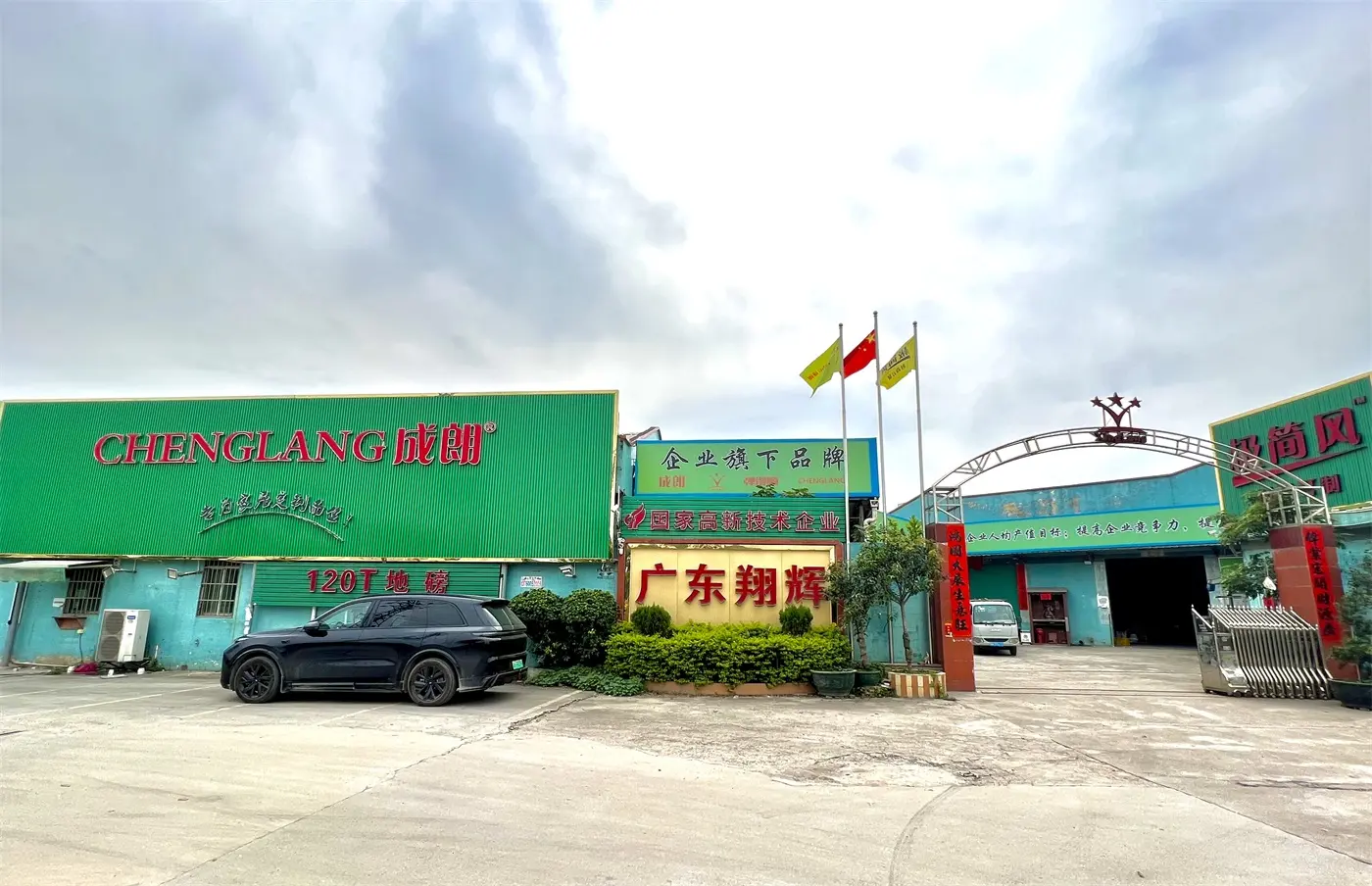
Ensuring flat panels and structural integrity across diverse UK commercial and residential projects.
In upscale London residential districts such as Chelsea, Kensington, and Westminster, properties often feature floor-to-ceiling wardrobes. These wardrobes use heavy MDF or veneered doors finished in high-gloss lacquer, custom textured papers, or fabric wraps. To prevent warping over heights of up to 3 meters, designers routing our anodized aluminum straighteners directly into the rear face of these panels. This keeps the doors flat and aligned with the clean lines of modern minimalist interiors.
Modern corporate offices in Manchester and Birmingham utilize large-format storage walls to hide electrical cabling, server units, and office materials. The doors on these storage systems experience frequent use and high physical wear. Integrating our tensioners directly into the manufacturing stage prevents structural deflection, keeping the cabinets functional and looking professional under daily heavy use.
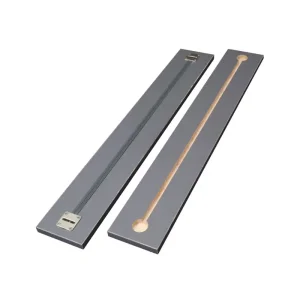
For optimal results, joiners should install straighteners during the initial fabrication stage. Mill a vertical channel 10mm wide and 8.5mm to 10.5mm deep into the back of the door panel, positioned roughly 100mm to 150mm from the hinge-side edge. If the door panel is wider than 600mm, we recommend installing two parallel straighteners. Once placed inside the routed channel, secure the tensioner using the pre-drilled mounting holes. Fine-tune the tension adjustment screw with a hex key to offset any slight panel warping that occurs after transport and installation.
Expert answers to frequently asked engineering and sourcing questions from architects, joiners, and procurement teams in the UK.
Tall wood panels warp due to moisture changes. Wood fibers expand as they absorb moisture and contract as they release it. The UK's damp outdoor weather combined with dry indoor heating creates a moisture difference across the panel faces. This difference generates physical tension that bows the wood. Our door straightener acts as a rigid, adjustable spine inside the panel. By turning the adjustment screw, you apply counter-tension that offsets the natural warp, keeping the panel flat.
We build our straighteners from high-strength 6063-T5 extruded aluminum, which resists bending and provides excellent support. Inside, a heavy-duty carbon steel rod handles the mechanical tension adjustments. Plastic components use premium POM material for durability, and visible parts are anodized to resist corrosion and look clean in high-end cabinetry.
Yes. While we recommend installing straighteners during fabrication, you can retrofit them on-site. You must route a clean channel into the back of the warped door, insert the straightener, secure it, and turn the adjustment screw to bring the panel back to a flat position.
For standard-width doors (under 600mm), one straightener installed on the latch side is typically enough. For wider doors (over 600mm) or heavy solid wood panels, we recommend installing two parallel straighteners to distribute the tension evenly and prevent twisting.
Standard manufacturing lead times are 20 to 30 days depending on the size of the order. We offer custom packaging, bundles, and container sea freight directly to major UK ports like Felixstowe, Southampton, and Liverpool. We also offer air freight services for fast-track commercial projects.
Every batch of raw aluminum undergoes chemical composition testing before extrusion. Our finished straighteners go through fatigue cycle tests (up to 200,000 cycles) to ensure the internal tension components do not slip or degrade over time. We back all of our products with full material tracking certificates to guarantee reliable performance.
 Xianghui